


Rotala Vietnam Tissue Culture
$10.99
Skip to product information





Rotala Vietnam Tissue Culture
$10.99
Usually ships in 1-2 business days from our fulfillment center
IMPORTANT: Tissue culture aquarium plants are grown in laboratory settings that specialize in aquatic plant propagation. Tissue culture plants contain young specimen that are grown in emersed forms. With this in mind, please understand how to properly transition and acclimate plant(s) into desired form(s). When done correctly, plant melt is minimal. We cannot issue refunds for tissue culture plants that arrive healthy and die out of our care.
LIVE PLANTS ARE SUSCEPTIBLE TO STRESS AND DAMAGE FROM TRANSIT - This may appear in the form of minimal melt, leaf loss, cosmetic damage, etc. Refunds or replacements will not be issued for plants with viable root systems.
LIVE PLANTS ARE SUSCEPTIBLE TO STRESS AND DAMAGE FROM TRANSIT - This may appear in the form of minimal melt, leaf loss, cosmetic damage, etc. Refunds or replacements will not be issued for plants with viable root systems.
Remove tissue culture gel and clean gently before planting in the aquarium.
Click here to shop all tissue culture aquarium plants!
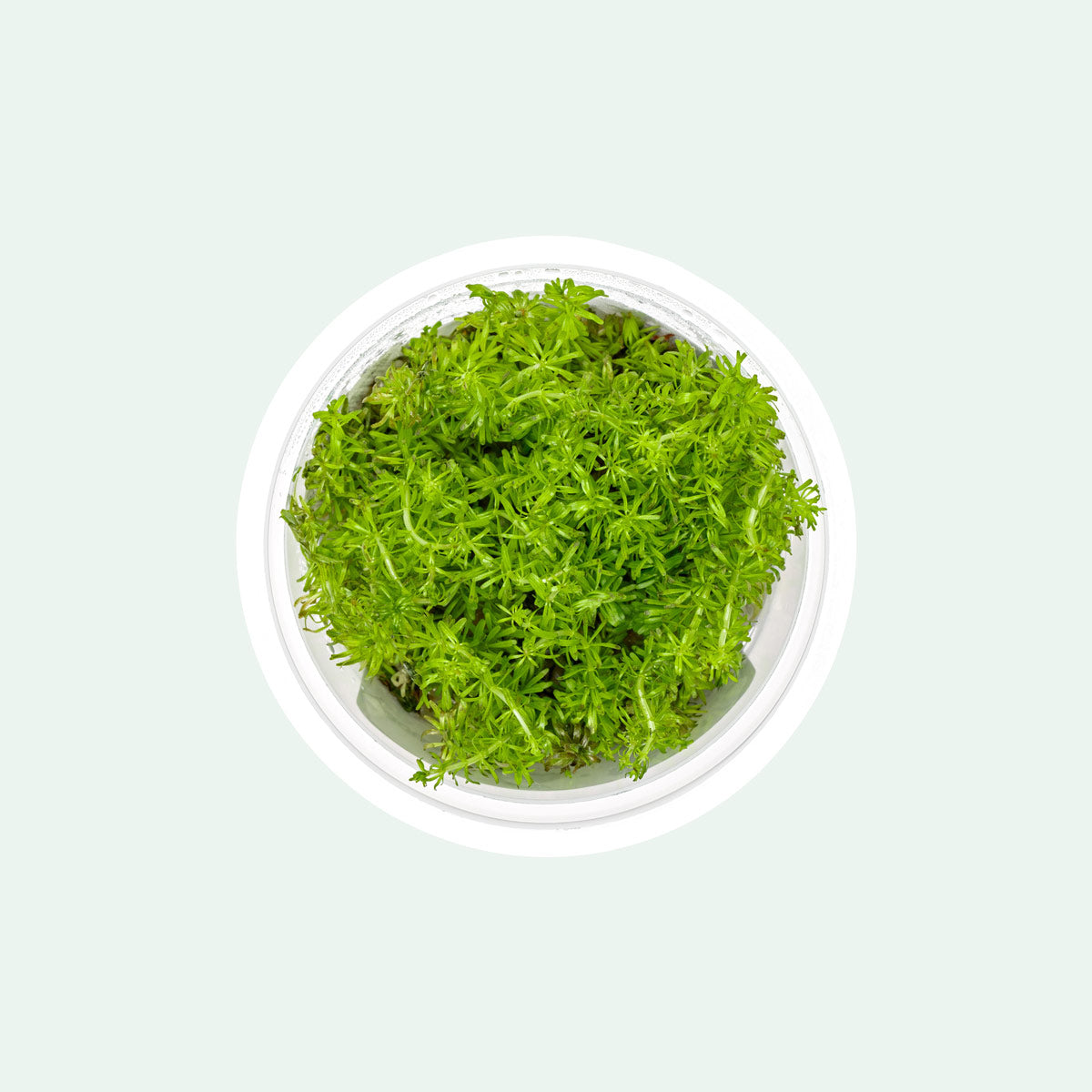
Rotala Vietnam is a unique Rotala species that is characterized by its delicate foliage that includes shades of green, brown and pink. Appearance wise, Rotala Vietnam is similar to Rotala Wallichi, but its leaves are a bit longer and its stem is a reddish-brown tone. When grown in optimal conditions, Rotala Vietnam produces an ornamental look and its fine, feather-like leaves provide a delicate look to the background area of the planted aquarium. Like other Rotala plants, Rotala Vietnam is a prolific grower when happy and will require routine maintenance to ensure all parts of the plants are provided access to light.
As a start, we recommend a nutritious aquarium soil, moderate lighting, macro and micro nutrients and a pressurized CO2 system. Propagation is simple and can be done by trimming along the stem and replanting into the soil.
| Common Name |
Rotala Vietnam
|
| Care | Moderate |
| Lighting | Medium to High |
| CO2 | Recommended |
| Suggested Placement | Background |
| Propagation | Trim and plant stems |
| Growth Rate | Moderate to Fast |
| Height |
8-15+"""
|
About Our Live Aquatic Plants
Aquarium plants can vary in growth form and may require time to transition to your aquarium environment, whether grown submerged or emersed. This transition period is a natural part of establishing healthy, long-term growth in planted aquariums.
From carpeting plants in the foreground to stem plants and larger species used in the midground or background, each plant offers a unique contribution to a balanced and natural aquascape. As plants adapt, it is normal to see minor changes such as leaf melt, color shifts, or new growth patterns as they settle into their new conditions.
We carefully inspect and prepare all live aquatic plants prior to shipping. While we do our best to minimize hitchhikers, we cannot guarantee plants to be completely pest or snail-free unless tissue culture options are selected.
Because live plants are perishable, some signs of transit stress may occur, including leaf loss or cosmetic damage. These are typically temporary and when when healthy roots are present, most plants will recover with proper care.
Want to browse more? Shop all aquarium plants here.
About Our Tissue Culture Plants
Tissue culture aquarium plants are grown in sterile, laboratory conditions, ensuring they are free from pests, algae, and snails. These young plants are cultivated in nutrient-rich gel and are grown in emersed form before being introduced into the aquarium.
Tissue culture plants are best for aquascapers looking for clean, controlled plant material, especially for shrimp tanks or sensitive setups. Before planting, the gel media should be gently removed, and the plant can be divided into smaller portions for planting.
With proper care, tissue culture plants transition quickly and establish into healthy submerged growth.
Looking for more? Shop all tissue culture aquarium plants.
Quick add to cart

2HR Aquarist APT 1
$23.99
Aquascaper's choice

2HR Aquarist APT 3
$23.99
Intense colors
UNS Plant Food Min
$19.99
Great for new tanks and beginners
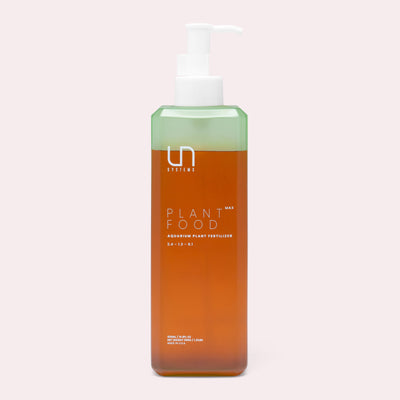
UNS Plant Food Max
$19.99
Great all-arounder and for demanding plants

Pro Aquascaping Tool Kit
$80.99
Tools made for delicate trimming and planting

Dr. Tank Substrate Root Fertilizer
$11.99
A great root tab for hungry stem plants
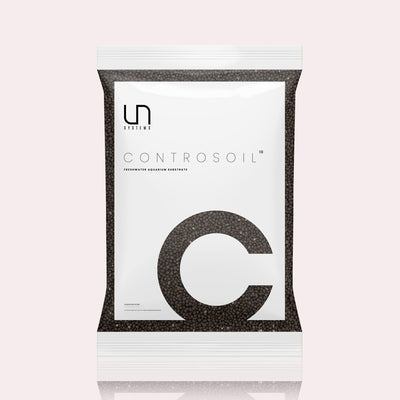
Ultum Nature Systems Controsoil
$21.99
Our recommend aquarium plant soil
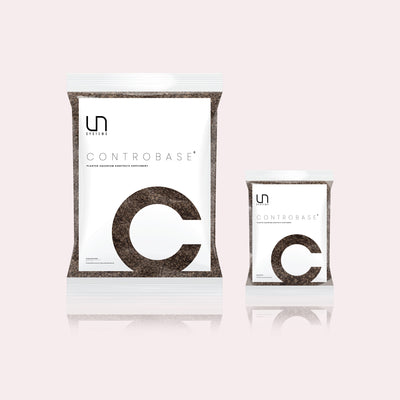
Ultum Nature Systems Controbase
$34.99
A nutritious base substrate that goes well with Controsoil
Aquarium Stem Plant Care Guide & Growth Cycle


Before
Trimming and Replanting
After

Trim aquarium stem plants by cutting the stem

After trimming, the rooted portion can remain in place or be removed

New shoots will grow from the node where the stem was cut

Alternatively, replant the healthiest trimming to propagate new stems

Repeating this process encourages denser, bushier plant groups
Stage 1: Adaptation and Recovery (Months 1–2)

April 6th — Just over one month of growth with little coloration in the stem plants

May 21st — Stem plants are beginning to take off, but coloration has not fully developed yet

May 31st — Slight melt appears in the lower, older portions of the stems as the plants transition to new growth
Stage 2: Active Growth and Trimming (Months 2–5)

June 21st — The stem plants are starting to color up, but the group has not yet been "shaped"

July 6th - The stems now have color and have reached the surface. This area is now trimmed and shaped

July 6th - The healthiest and most colorful trimmings are replanted in between for denser growth
Stage 3: Maintenance (Months 6–8)


Aerial roots and emergent growth from Ludwiga Natans 'Super Red'
Stage 4: Replant or Rescape (Months 8+)


September 15th — The final look of this Ultum Nature Systems 45U planted aquarium Iwagumi and a view through the aquascape’s lifecycle.
Reviews by real customers
Shipping, Returns and Refunds
Shipping
Orders are typically processed within 1-2 business days M-F. However, additional time may be required during peak seasons and federal holidays. For orders containing live plants, we exercise extra caution and assess factors such as travel distance and weather to ensure safe transit.
To avoid delays, please ensure all order information is accurate and complete. We cannot offer refunds and are not responsible for orders shipped to incorrect addresses due to errors in provided information. Once an order has been shipped, delivery times are determined by the carrier and are outside of our control. On average, shipments arrive within 2–5 business days, excluding weekends and holidays. For more information, please visit our FAQ page.
Returns
If you are not satisfied with your purchase, please contact us within 48 hours of delivery. Approved returns must be shipped back within 14 days of approval. Returned items must be unused, unopened, and in their original packaging. Specific return requirements, if applicable, will be listed on the product’s page. For more information, please visit our FAQ page.
Refunds
No worries, we’ll take care of everything as long as it fits the guidelines above.Most answers to general questions can be found on our FAQ page.