
Wood and Driftwood
-
 Sale
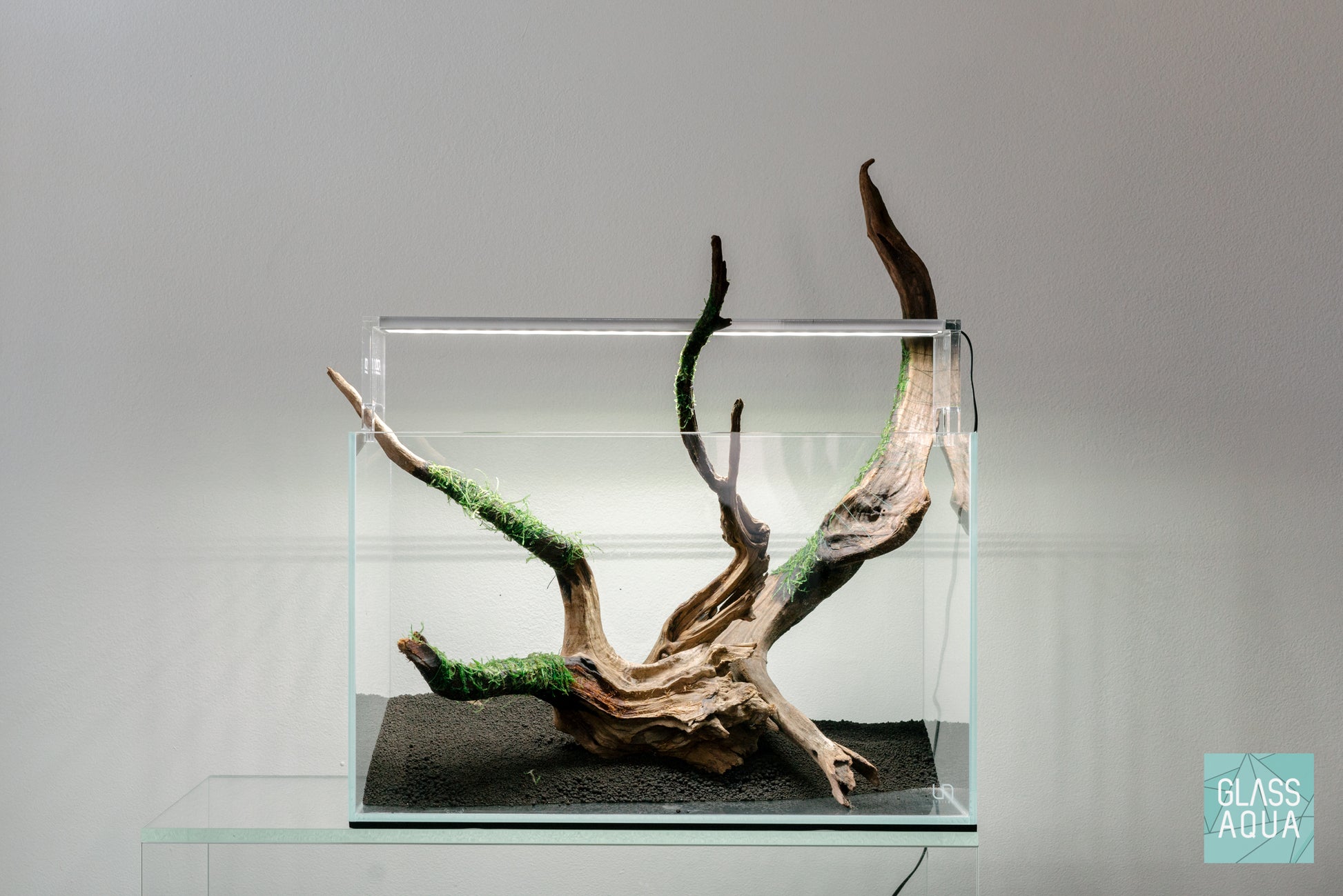
SaleBuild Your Own Nature Style Hardscape
$43.96$39.56Build Your Own Nature Style Hardscape
$39.56$43.96 -
 Sale
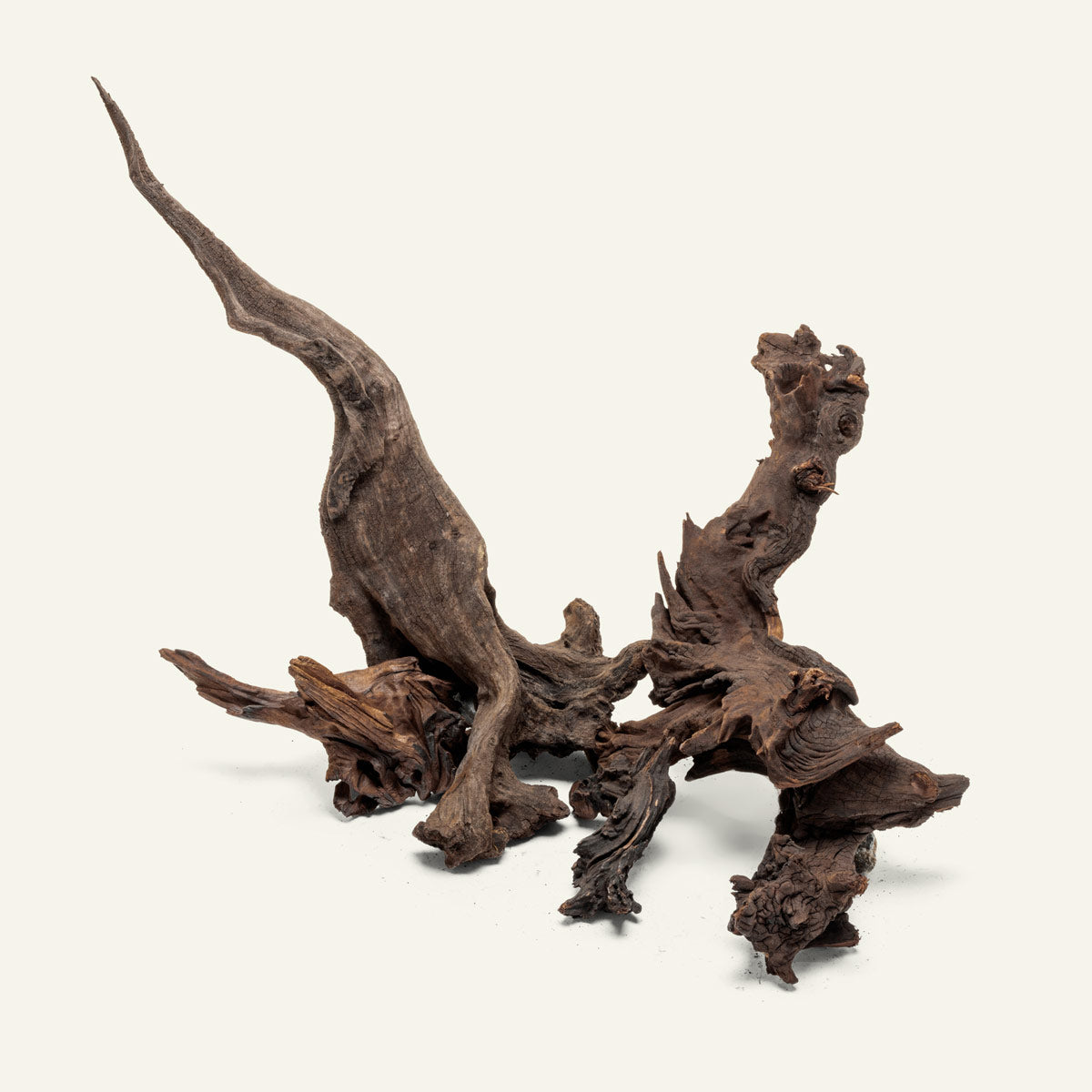
SaleMalaysian Driftwood
$5.99Malaysian Driftwood
$5.99 -
 Sale
SalePacific Wood
$4.99Pacific Wood
$4.99 -
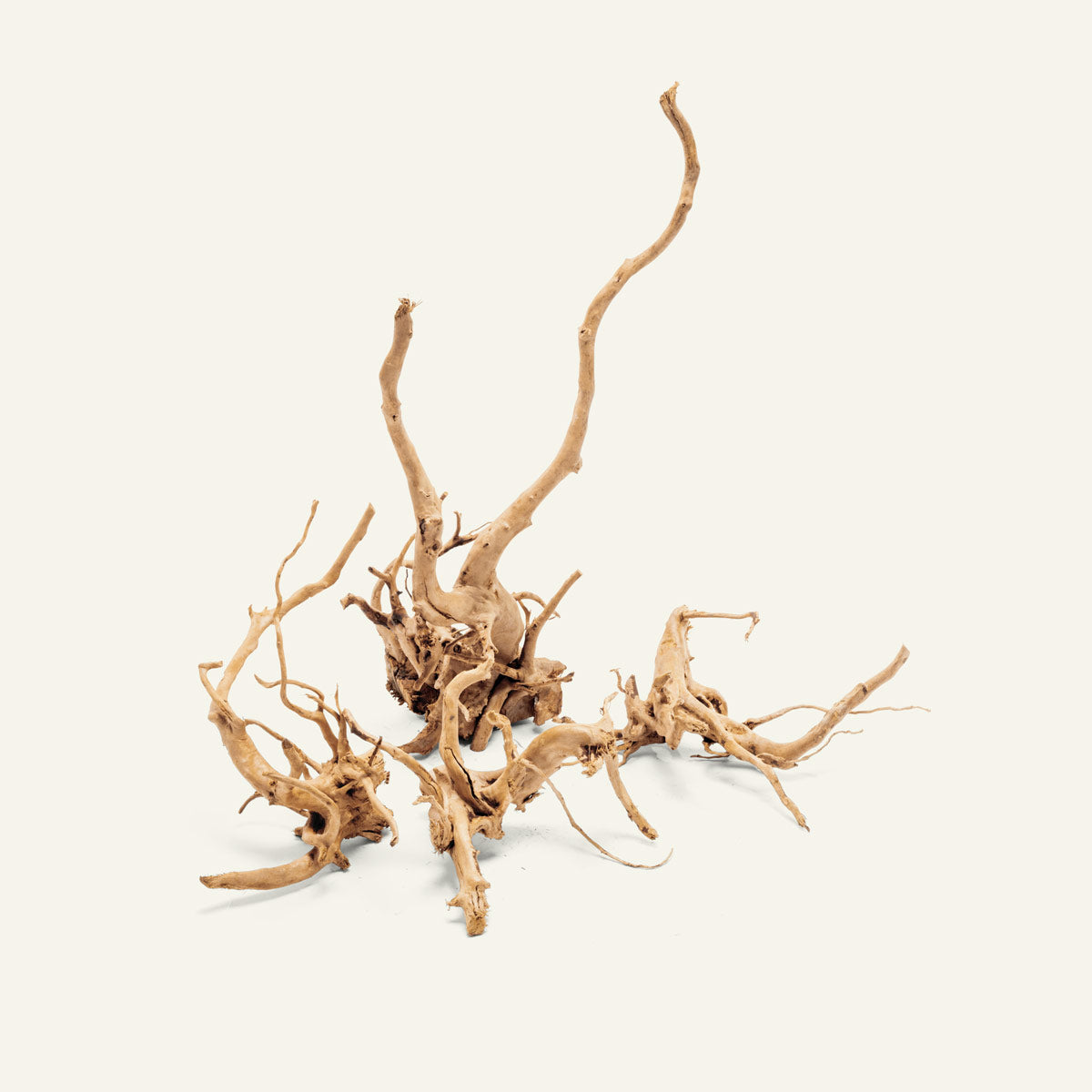
Spider Wood
$7.99Spider Wood
$7.99 -
 Sale
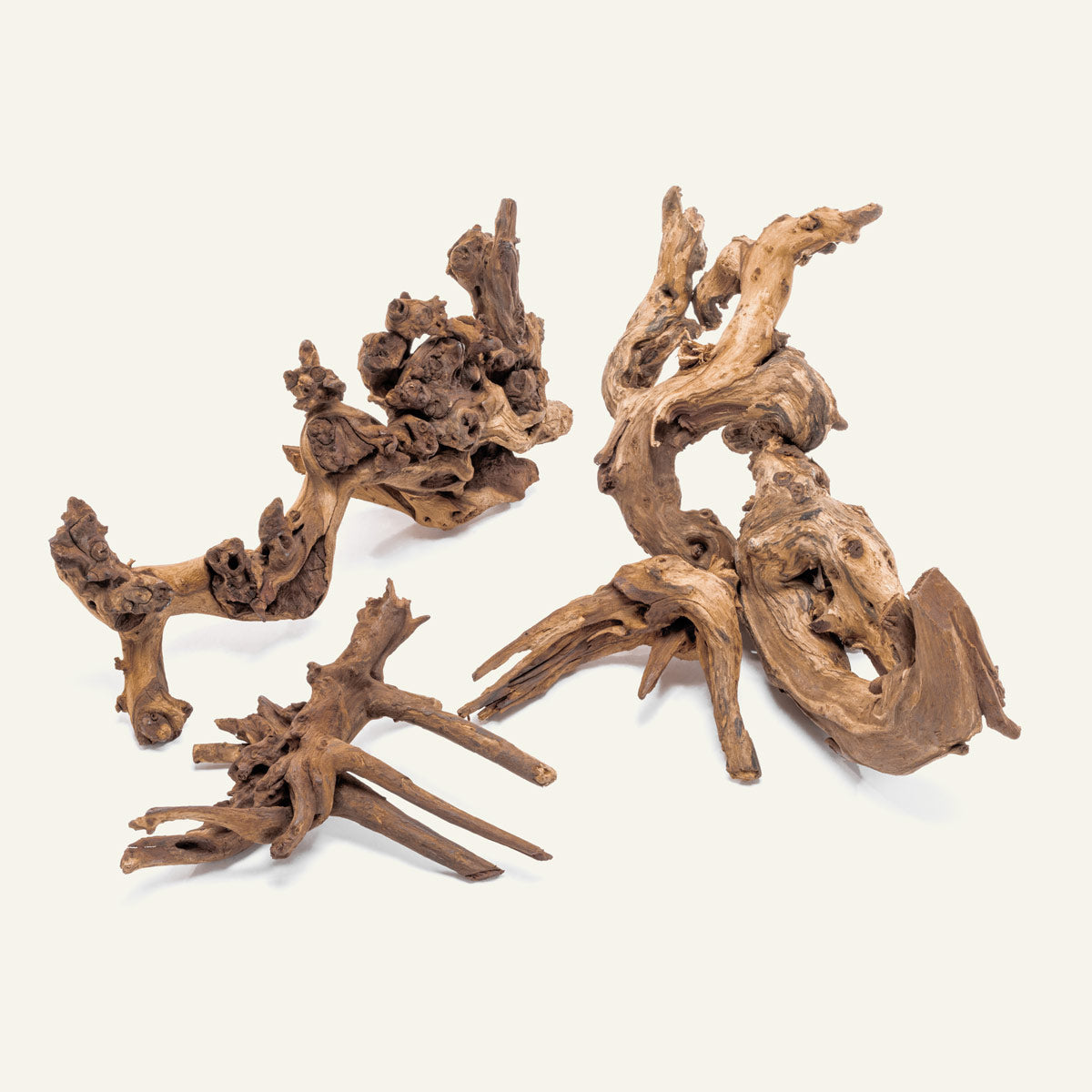
SaleAmazon Wood
$26.99Amazon Wood
$26.99 -

River Driftwood
$6.99River Driftwood
$6.99 -

Rasamala Root
$39.99Rasamala Root
$39.99 -
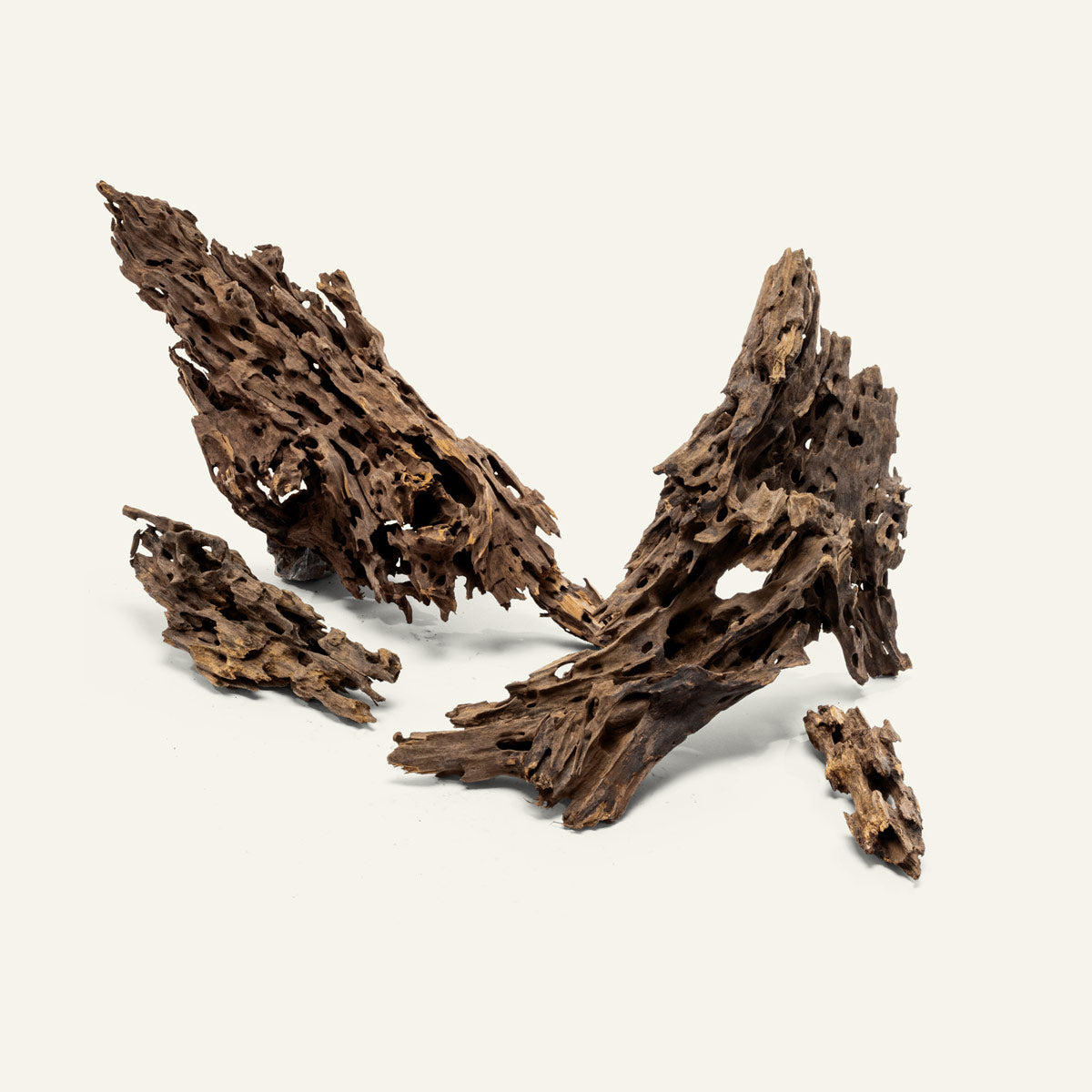 Sale
SaleDragon Wood
$9.99$8.99Dragon Wood
$8.99$9.99 -
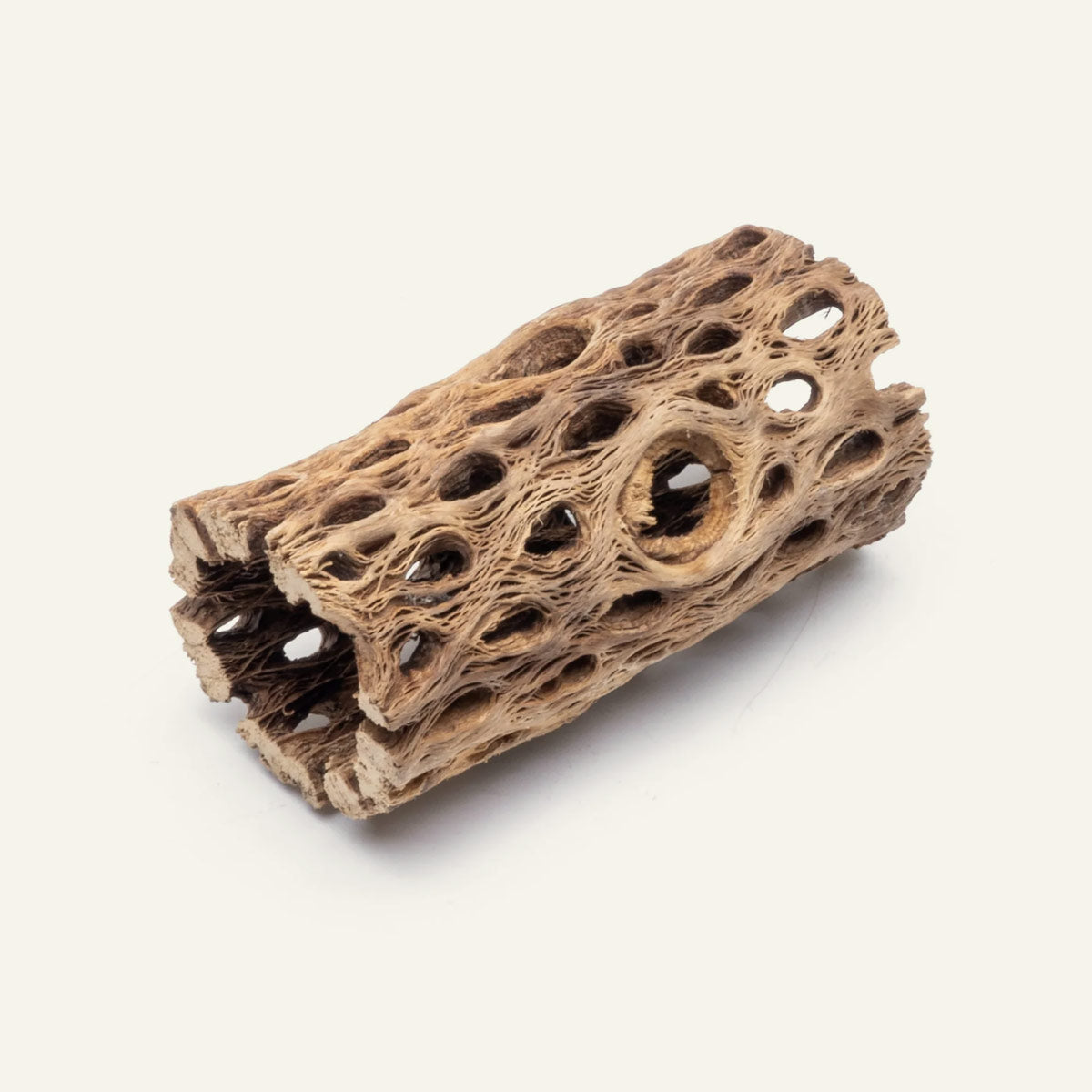
Cholla Wood - 4 Inch
$5.99Cholla Wood - 4 Inch
$5.99 -
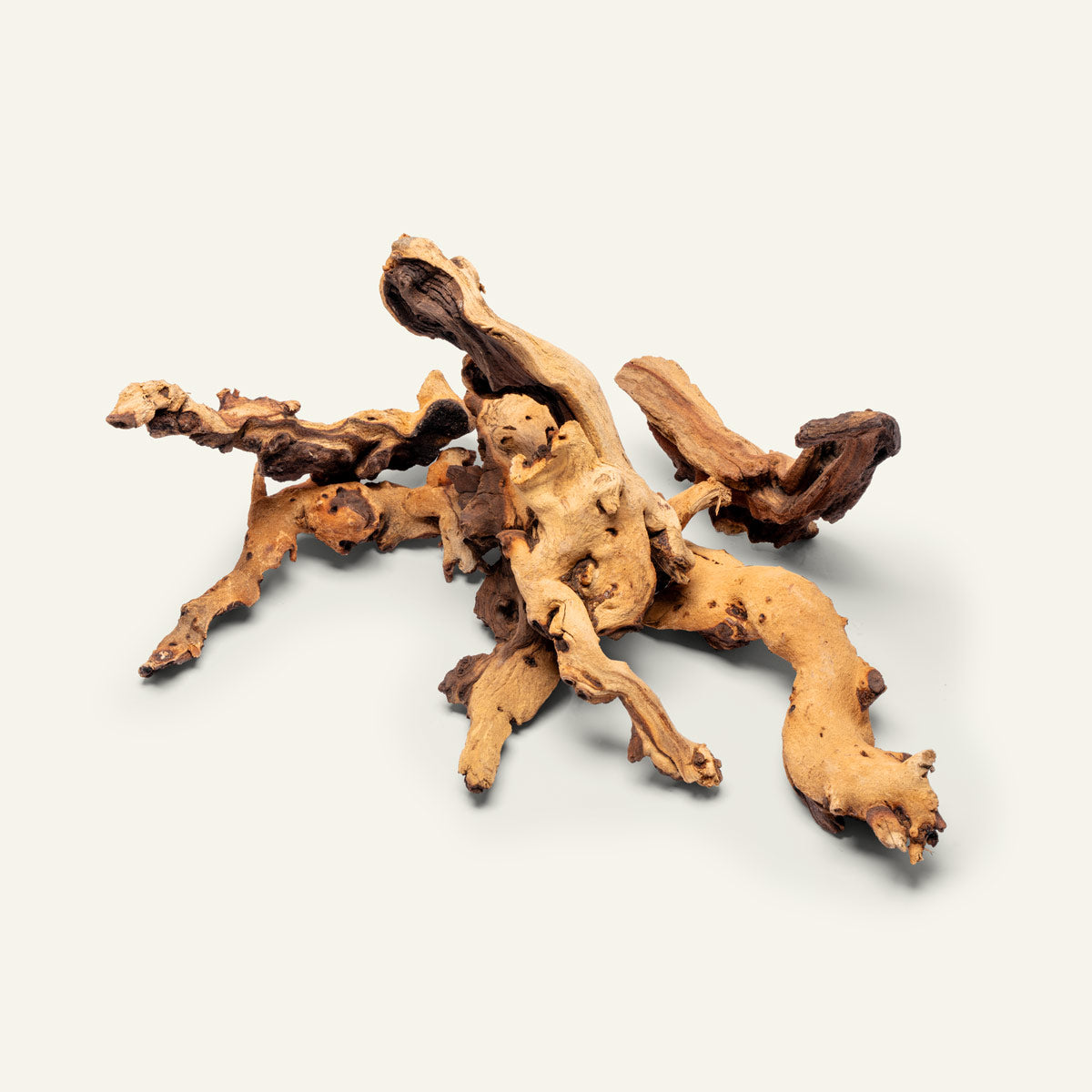
Mopani Wood
$12.99Mopani Wood
$12.99 -
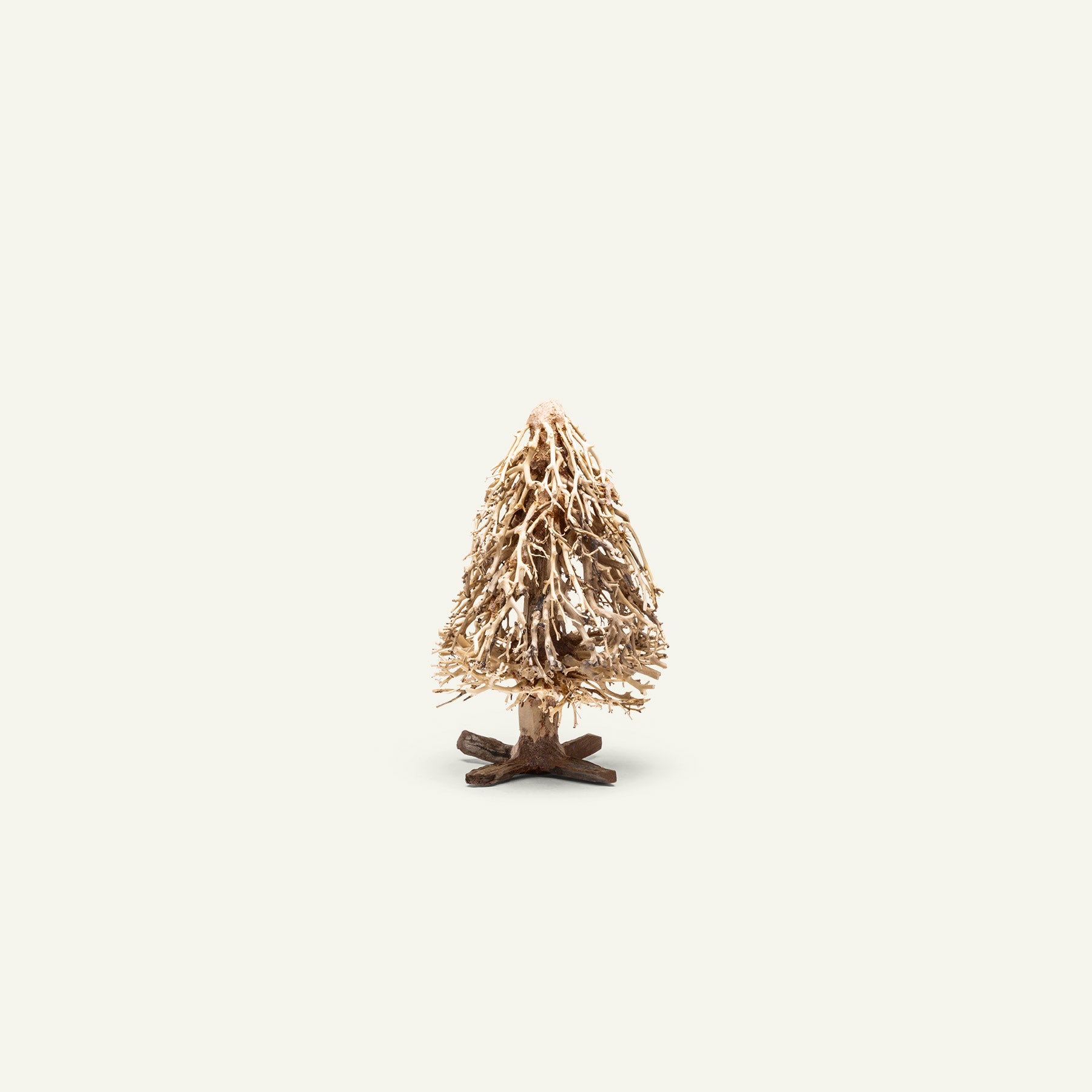
UNS Bonsai 009
$21.99UNS Bonsai 009
$21.99 -
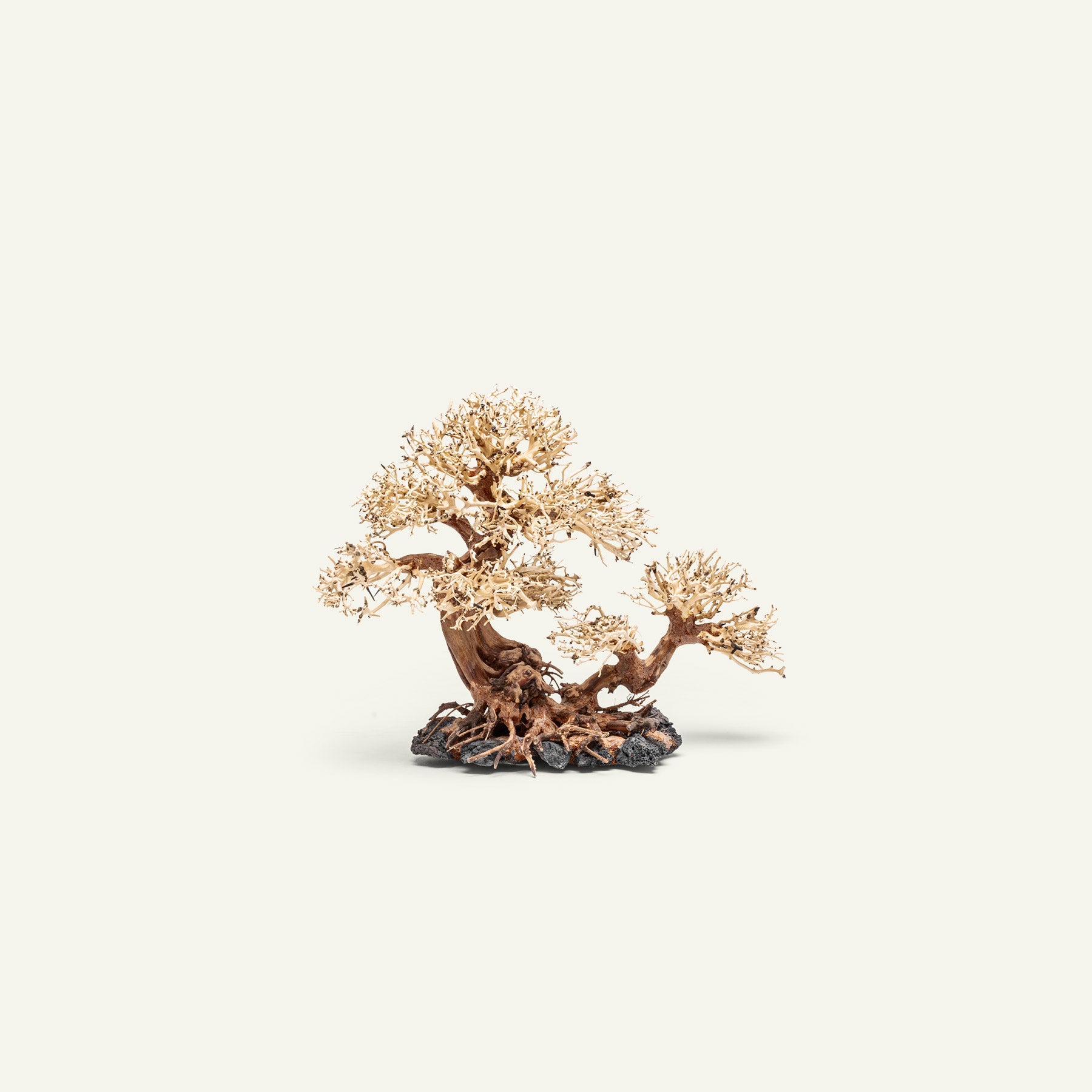
UNS Bonsai 011
$34.99UNS Bonsai 011
$34.99 -
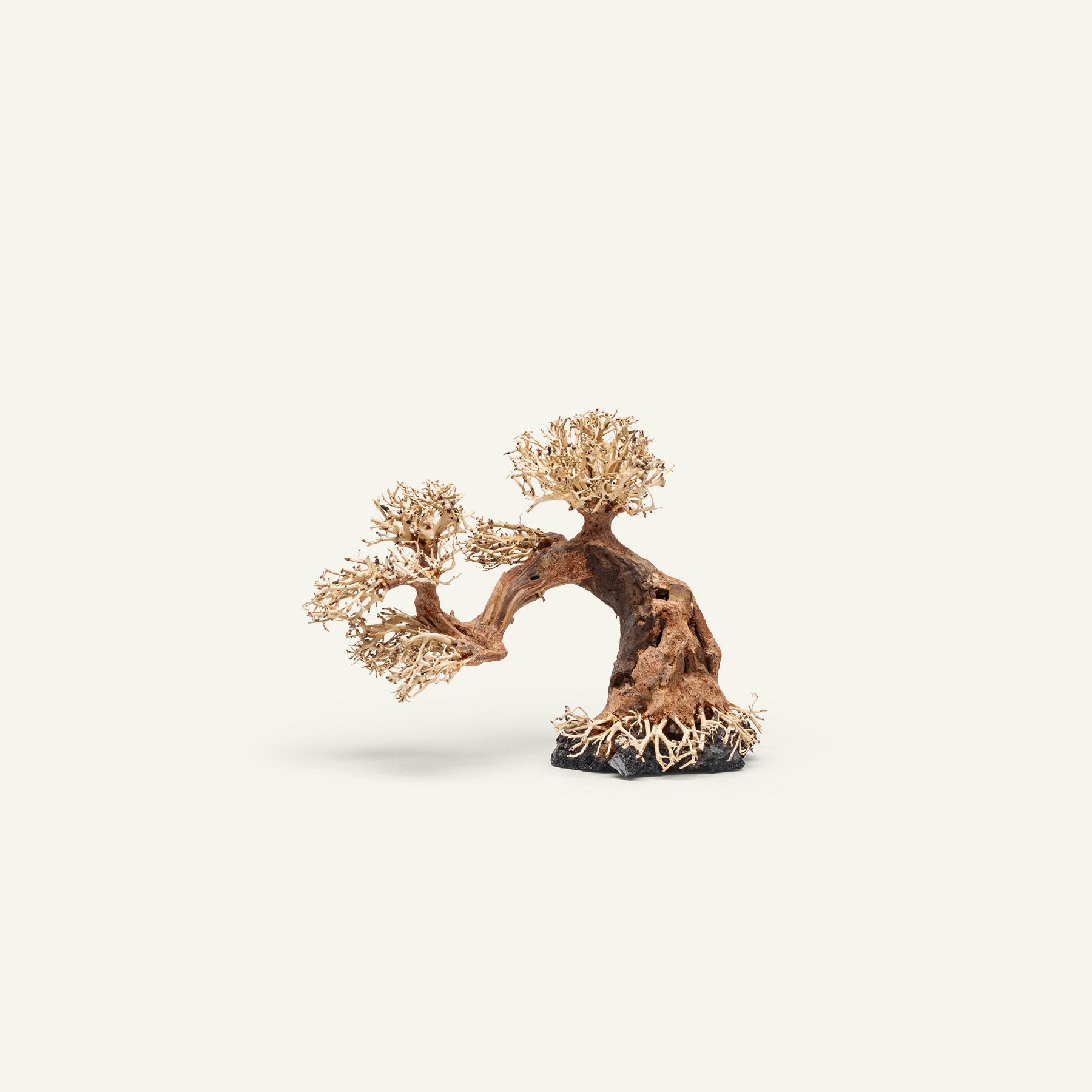
UNS Bonsai 006
$22.99UNS Bonsai 006
$22.99 -
 Sale
SaleSpider Wood Nano
$9.99$7.99Spider Wood Nano
$7.99$9.99 -
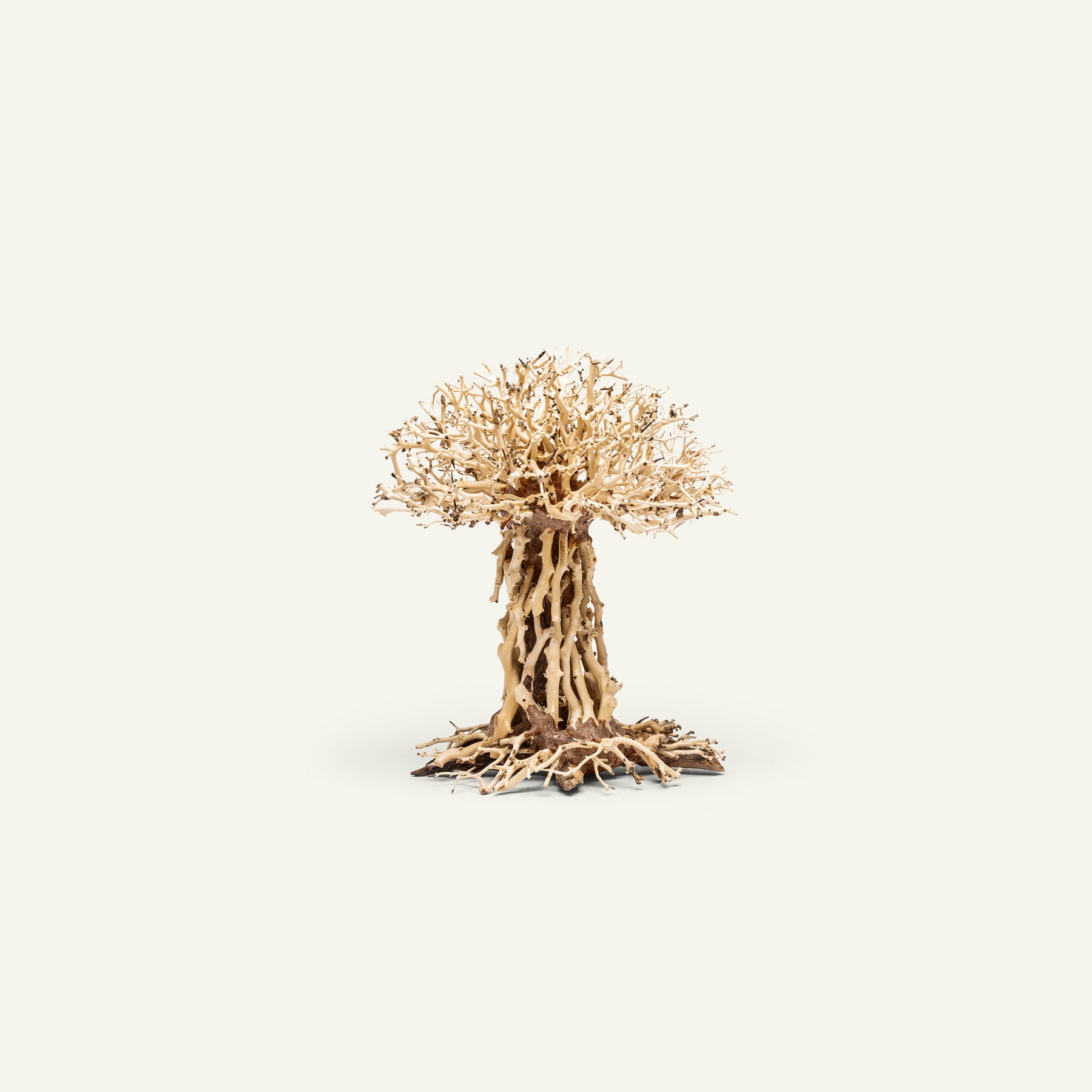
UNS Bonsai 007
$18.99UNS Bonsai 007
$18.99 -
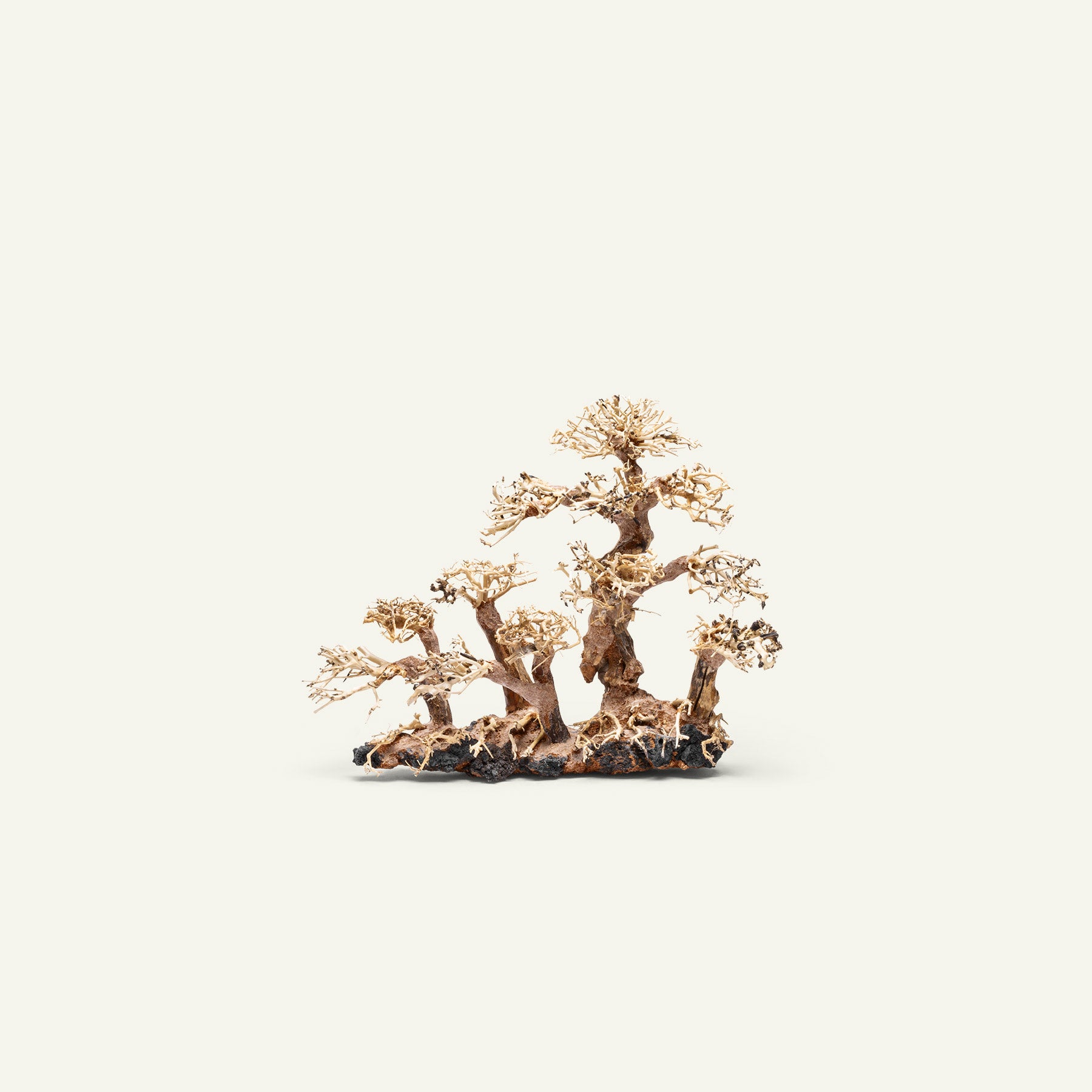
UNS Bonsai 008
$37.99UNS Bonsai 008
$37.99 -
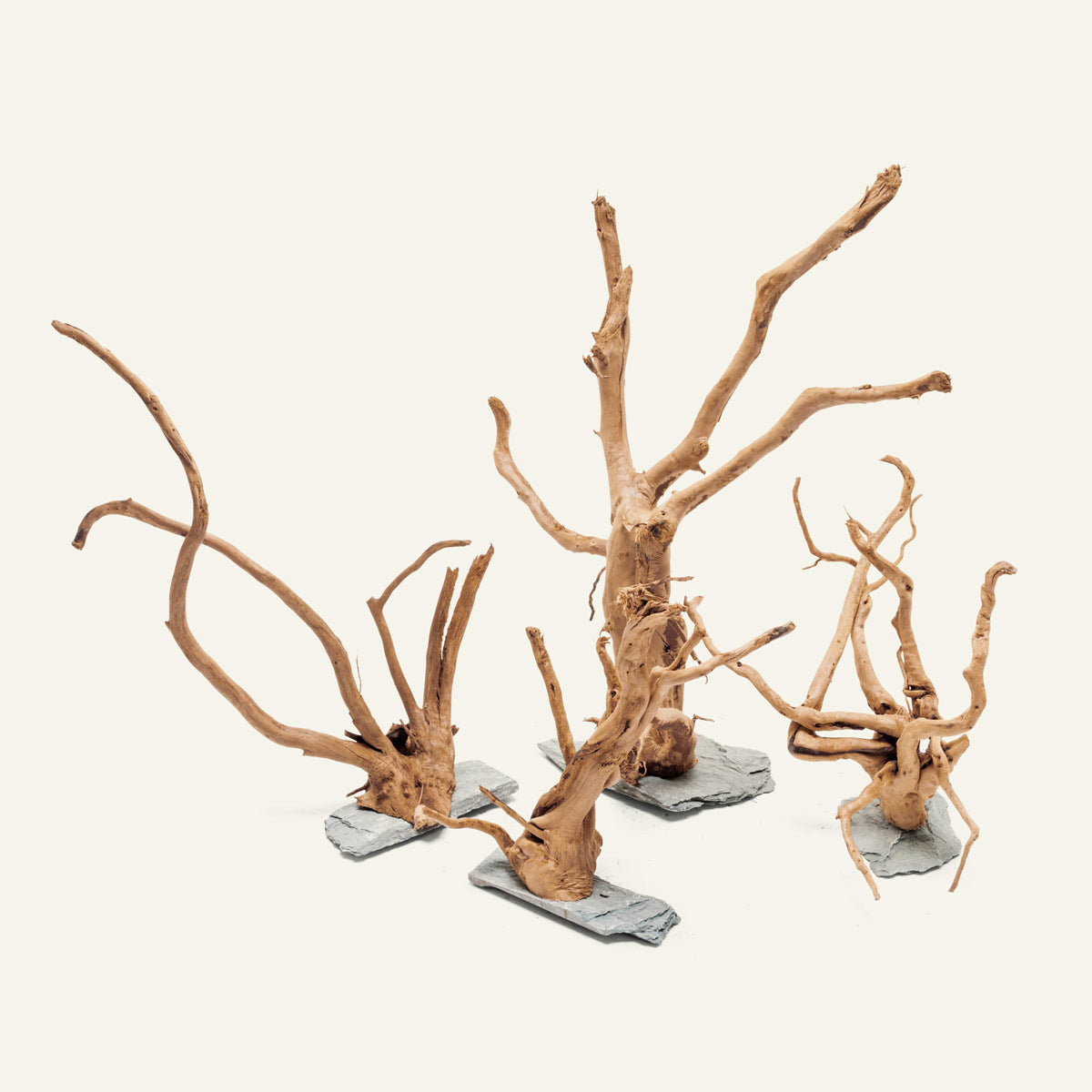
Spider Wood on Slate Stone
$12.99Spider Wood on Slate Stone
$12.99 -
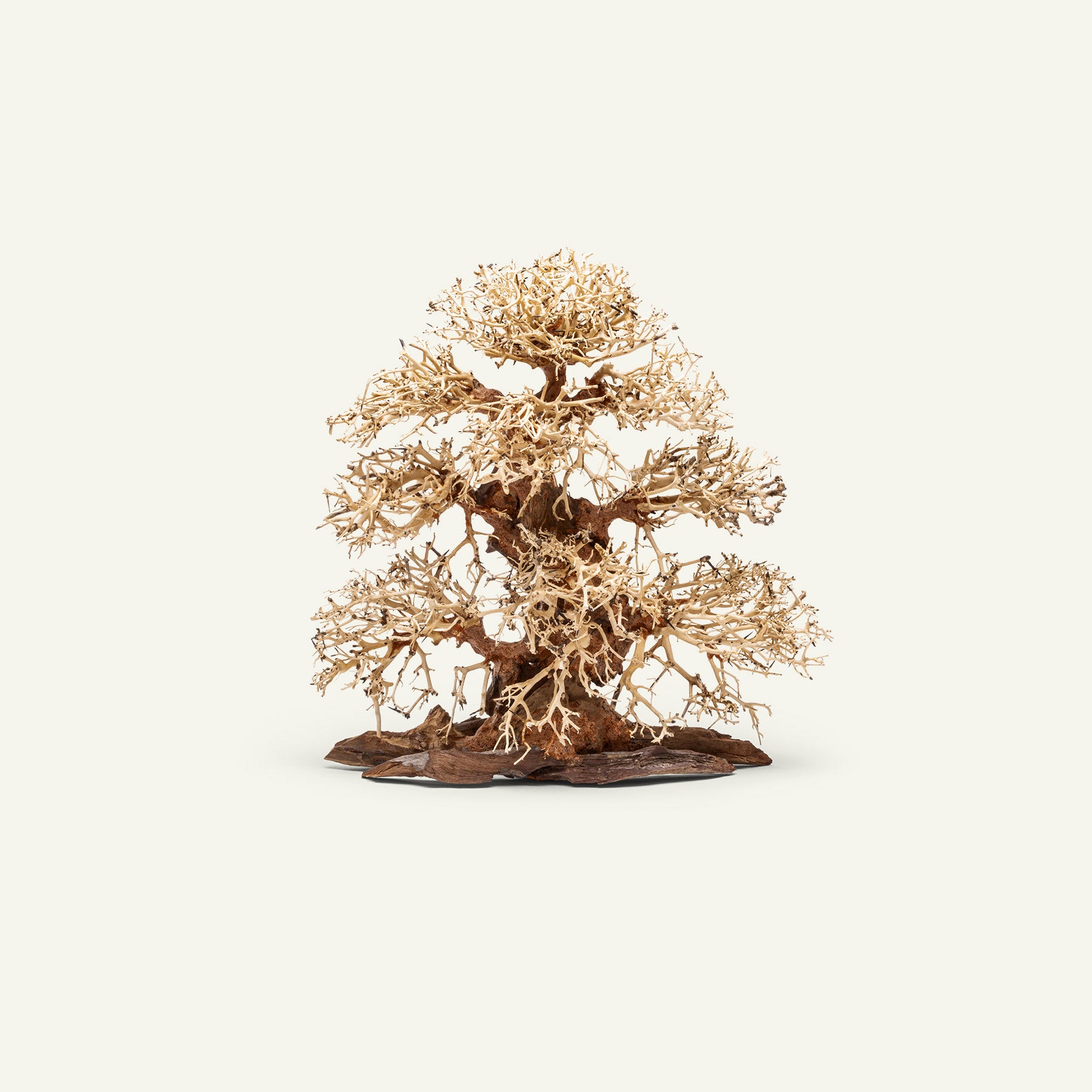
UNS Bonsai 002
$44.99UNS Bonsai 002
$44.99 -

UNS Bonsai 004
$25.99UNS Bonsai 004
$25.99 -

Pacific Driftwood Stump
$11.99Pacific Driftwood Stump
$11.99 -

UNS Bonsai 015
$71.99UNS Bonsai 015
$71.99 -
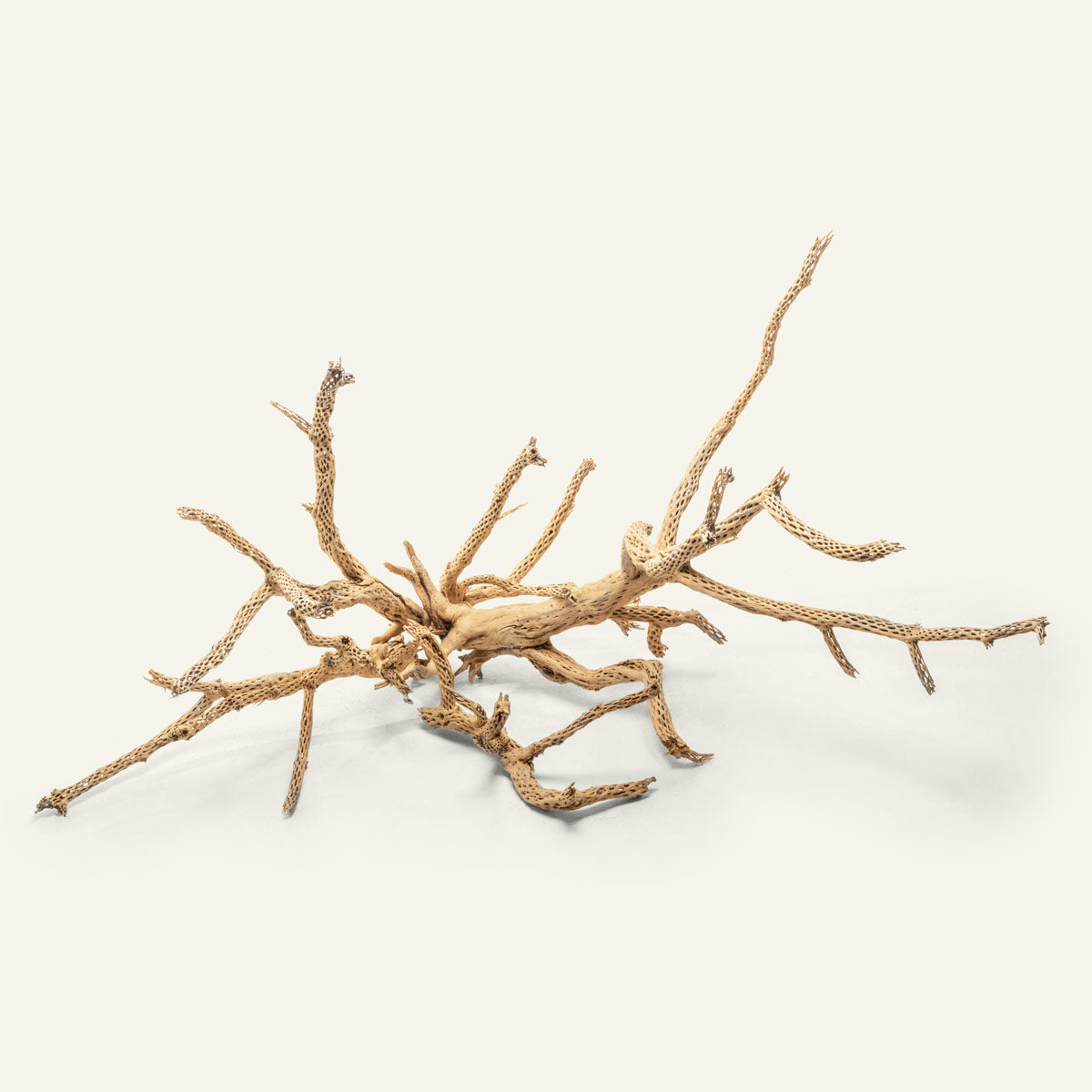
Cholla Driftwood Tree
$19.99Cholla Driftwood Tree
$19.99 -
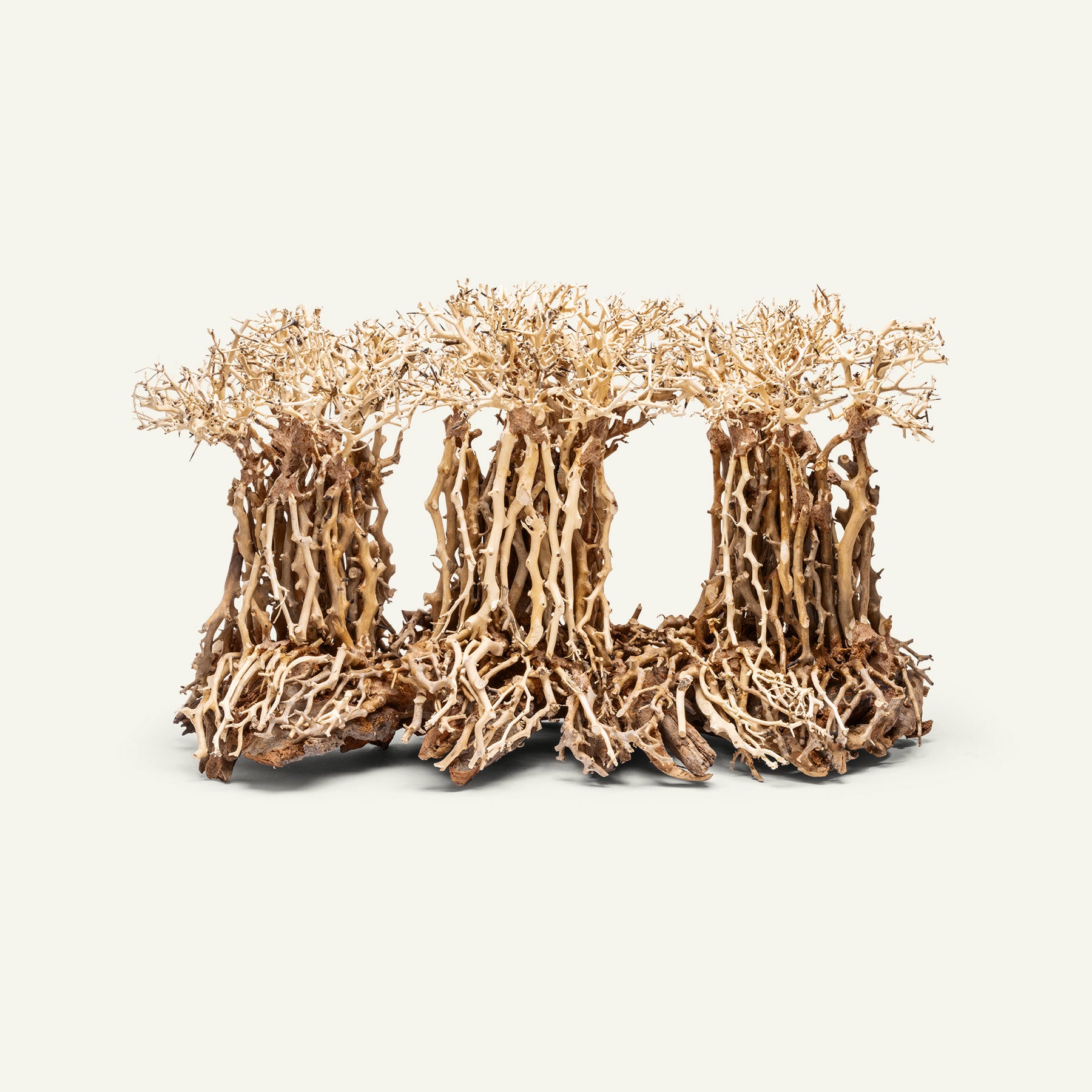
UNS Bonsai 005
$109.99UNS Bonsai 005
$109.99 -

UNS Bonsai 019
$45.99UNS Bonsai 019
$45.99


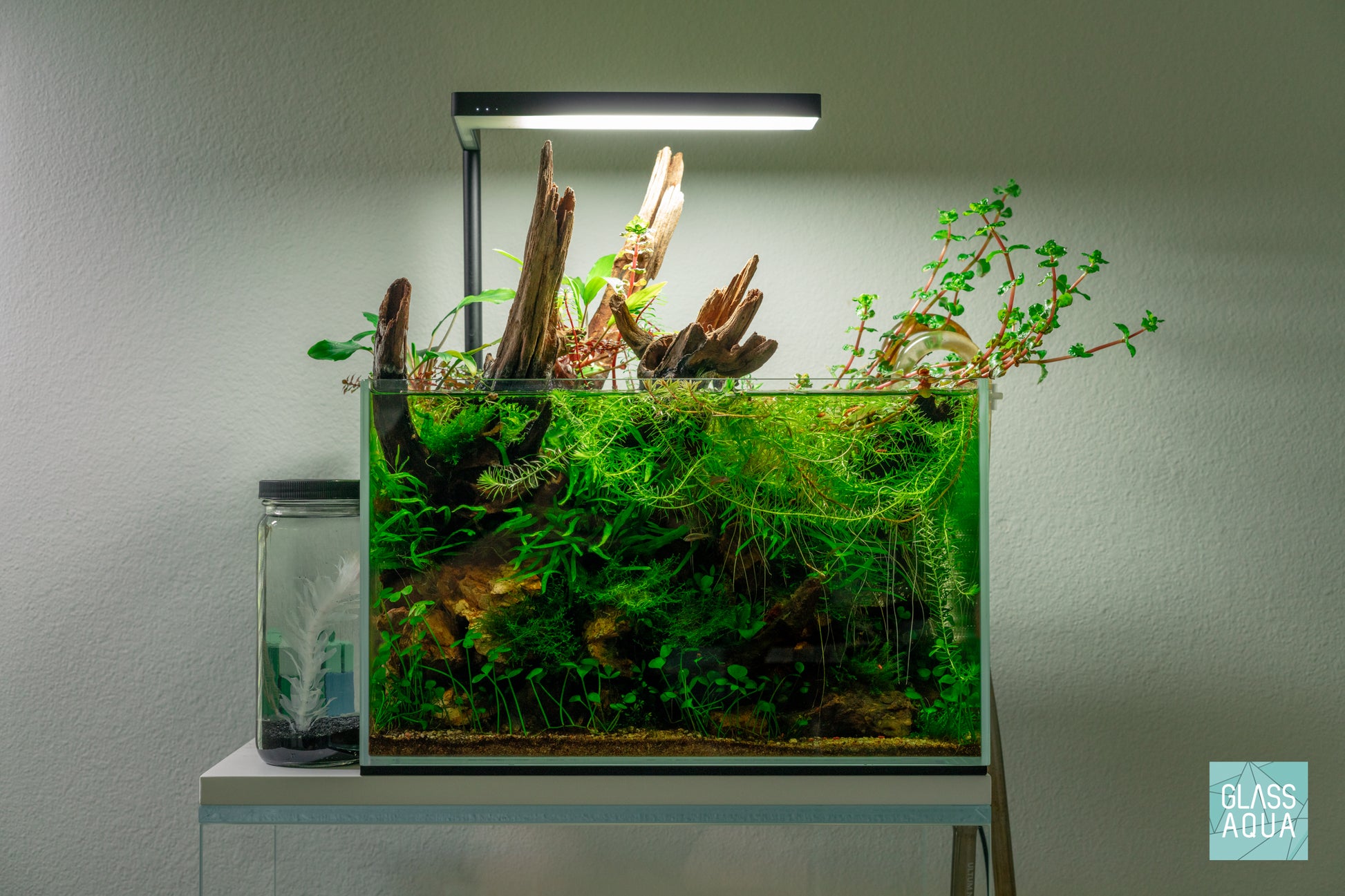


The Bones of an Aquascape: Wood
Long before plants fill in, driftwood establishes the overall character and direction of an aquascape. Whether you’re building an open Nature-Style Aquarium, a dense forest-inspired layout, or something entirely your own, the wood you choose influences the flow, scale, and feel of the finished composition.
Beyond aesthetics, driftwood provides natural surfaces for aquatic mosses and rhizome plants like Anubias, Bucephalandra, and Java Fern while creating shelter and cover for freshwater shrimp and fish.
Finding the Right Style
Every type of driftwood has its own personality, making certain layouts and styles easier to achieve! For example:
Spider Wood offers twisting branches that create dramatic, tree-like layouts with plenty of places to attach your favorite rhizome plants.
Malaysian Wood features thicker trunks, gnarled surfaces, and a wide range of sizes, making it a standout choice for Nature-Style planted aquariums. It’s a true classic and one of our personal favorites.
Manzanita Wood has smooth branches and clean lines that work beautifully in minimalist aquascapes or layouts where understated structure is preferred.
Rather than looking for the “best” driftwood, think about the overall feeling and look you want your aquascape to have. Here are a few layout styles and the types of driftwood often used to create them.
- Nature-Style Aquariums: Malaysian, Pacific Wood
- Tree or Forest-Inspired Layouts: Bonsai Driftwood, Spider Wood
- Minimalist Aquascapes: Manzanita Wood
- Black Water & Biotope Aquariums: Mopani Wood
Mixing Wood with Stone
Some of the most memorable aquascapes combine driftwood with natural stone. Stone helps anchor the composition while driftwood softens the layout, adding movement and guiding the eye throughout the aquarium. When balanced well, the combination creates a layout that really packs a punch!
Popular pairings include Malaysian Wood with Hakkai Stone, Pacific Wood with Lava Rock, and countless other combinations. There are no strict rules here—if you like the look, it works. A great place to start is by choosing materials with complementary colors and textures, then building from there.
Before Adding Driftwood to Your Aquarium
Natural wood is exactly that—natural. Rinse each piece before use to remove any dust or debris, then soak or boil it to help it become fully waterlogged.
It’s also common for new driftwood to develop a harmless white biofilm during the first few weeks underwater. This is normal and will naturally diminish over time. You can gently scrub it away if you prefer, or let shrimp and snails enjoy it as a snack.
Looking for aquascaping ideas? Explore our Shop the Look gallery to see how different types of driftwood come together in completed layouts.