
Rocks and Stones
-
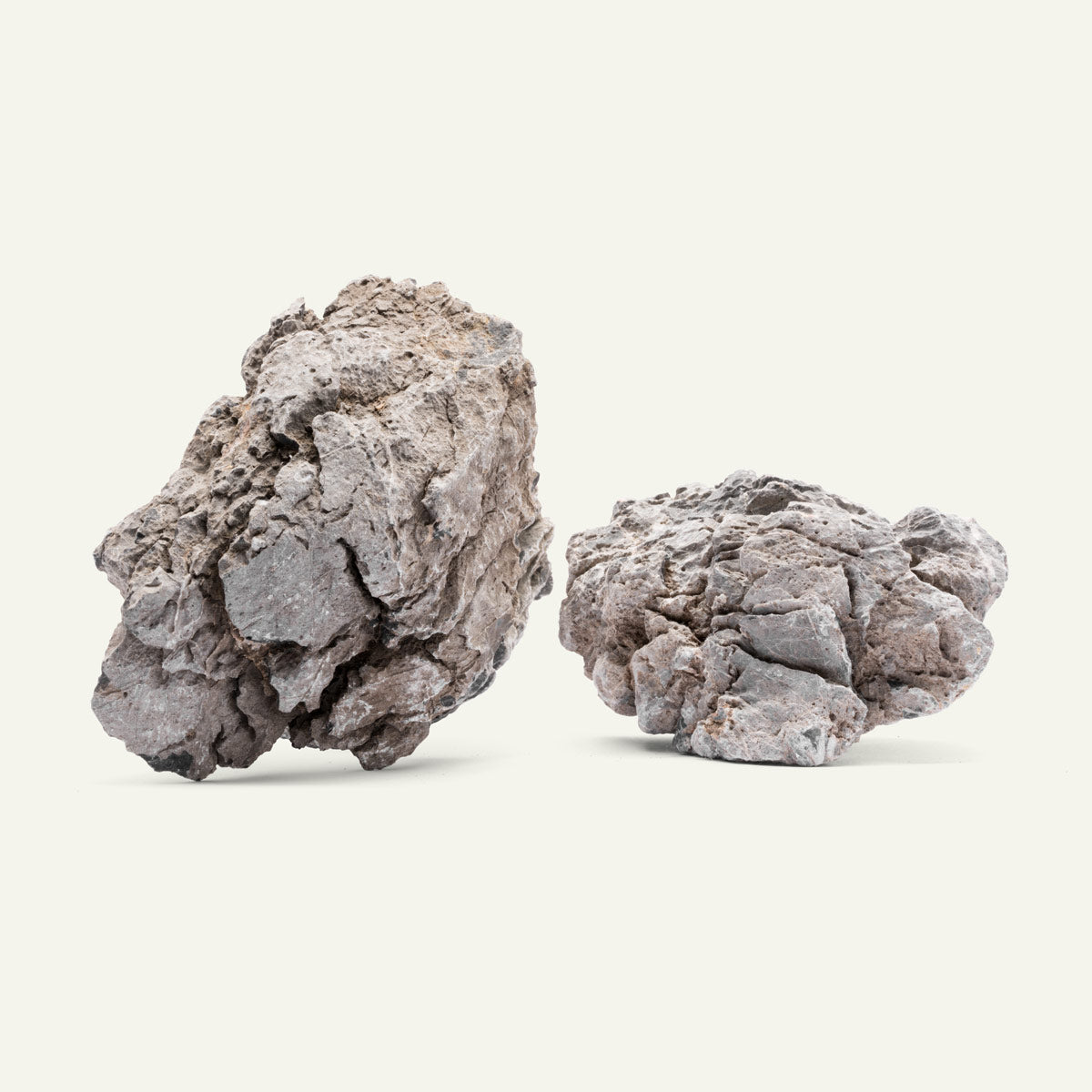
Seiryu Stone
$18.99Seiryu Stone
$18.99 -
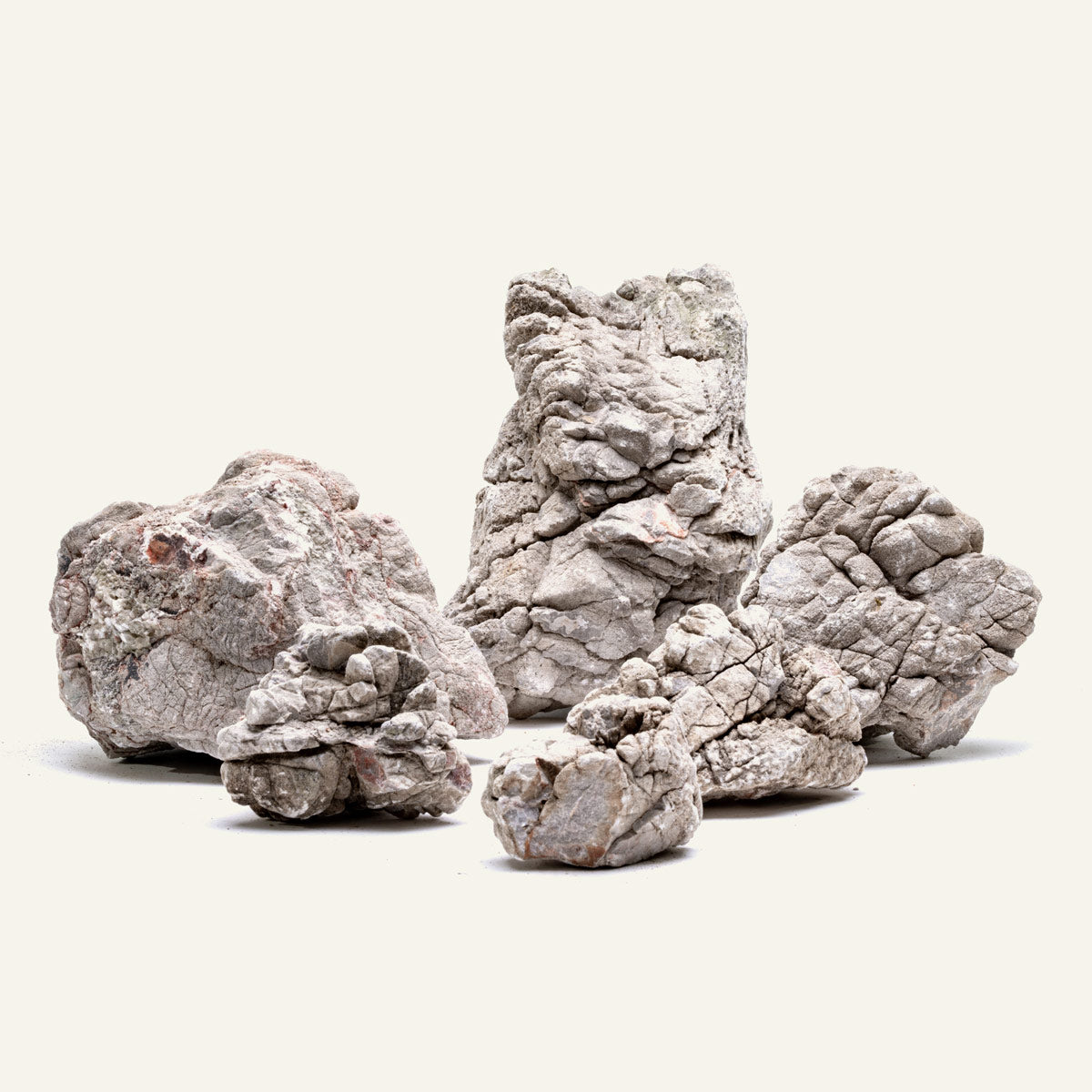
Elephant Skin Stone
$99.99Elephant Skin Stone
$99.99 -
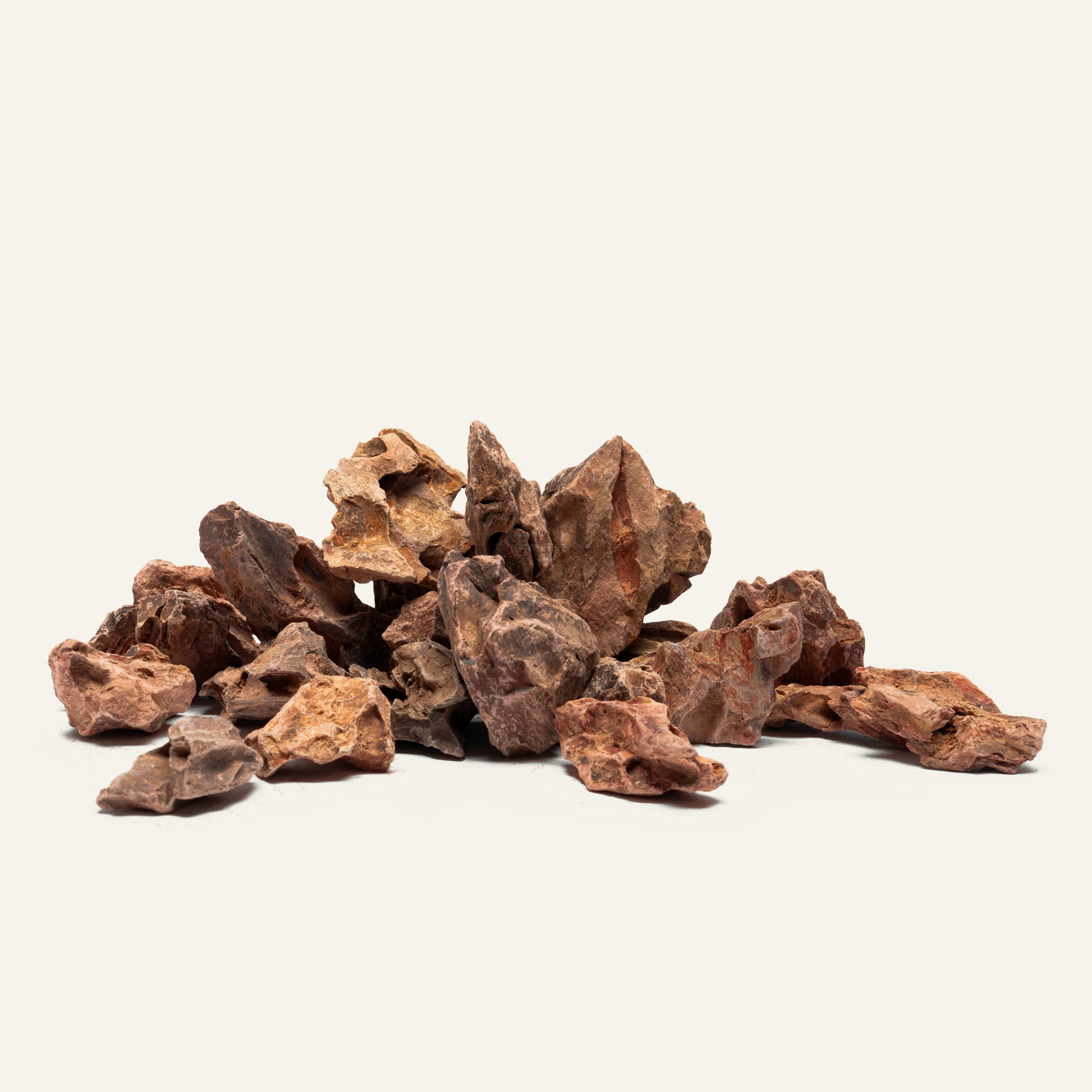
Ohko Dragon Stone Accent Rocks
$15.99Ohko Dragon Stone Accent Rocks
$15.99 -

Black Lava Rock Cave
$15.99Black Lava Rock Cave
$15.99 -
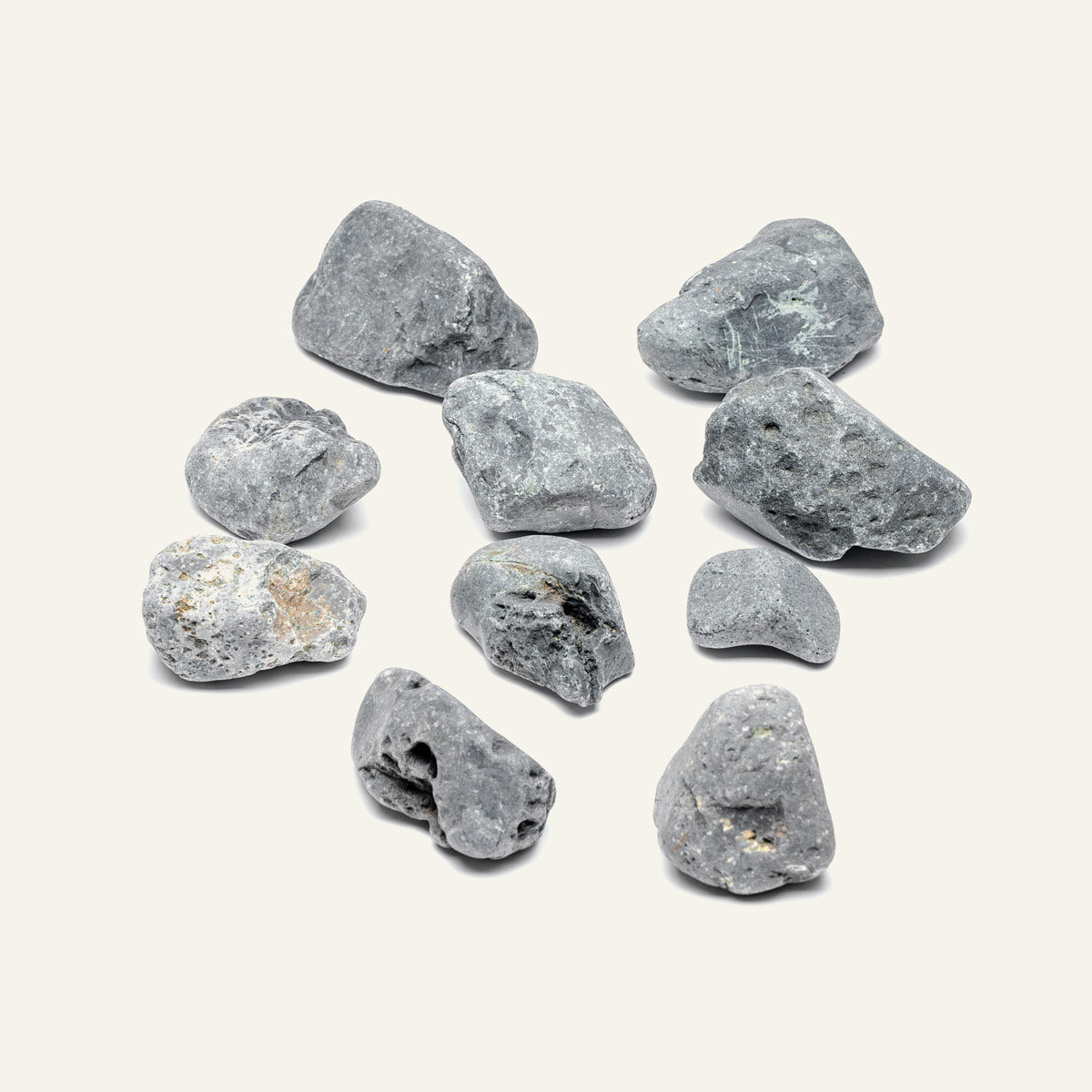
Hakkai Accent Stones
$44.99Hakkai Accent Stones
$44.99 -

Sand Stone
$24.99Sand Stone
$24.99 -
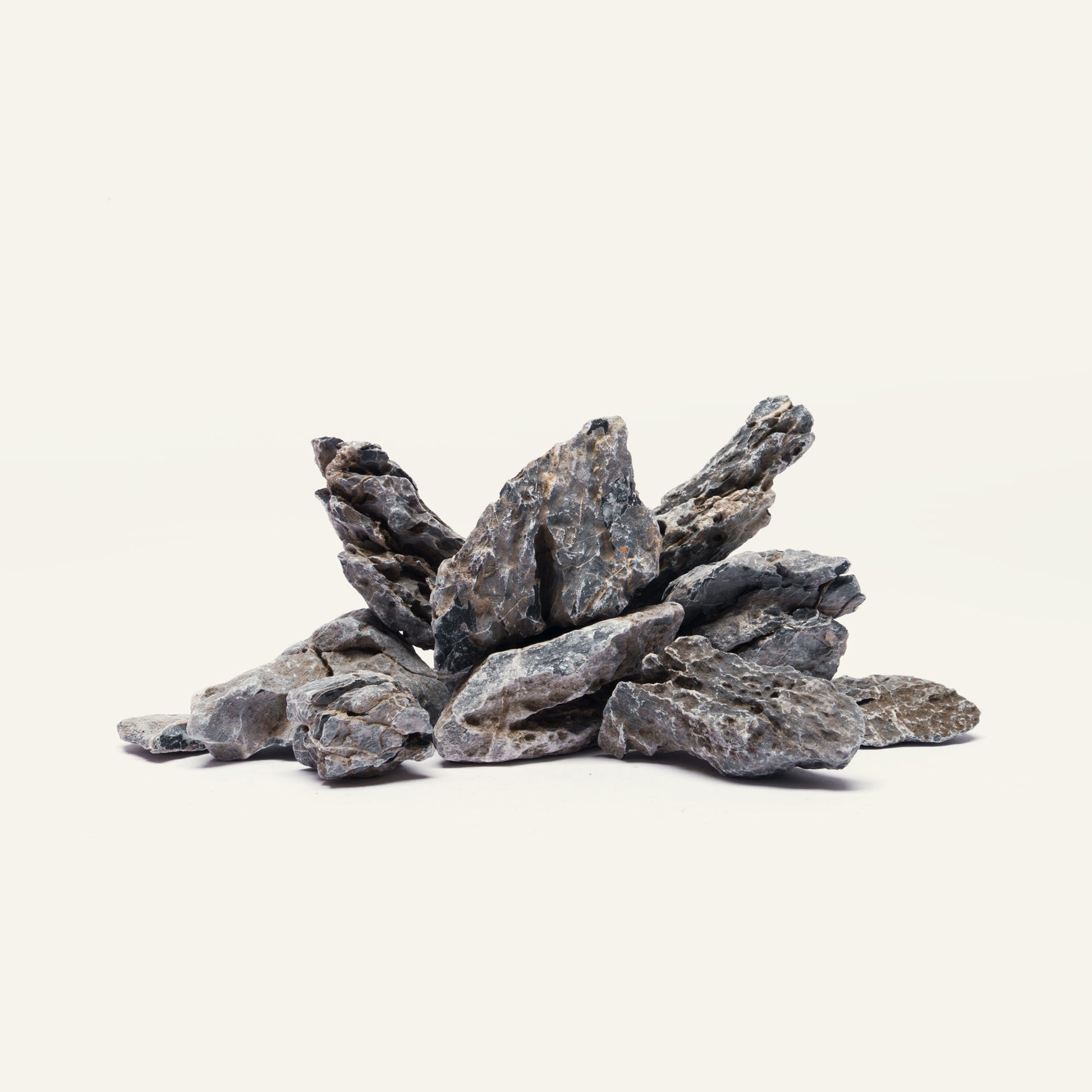
Seiryu Stone Accent Rocks
$14.99Seiryu Stone Accent Rocks
$14.99 -
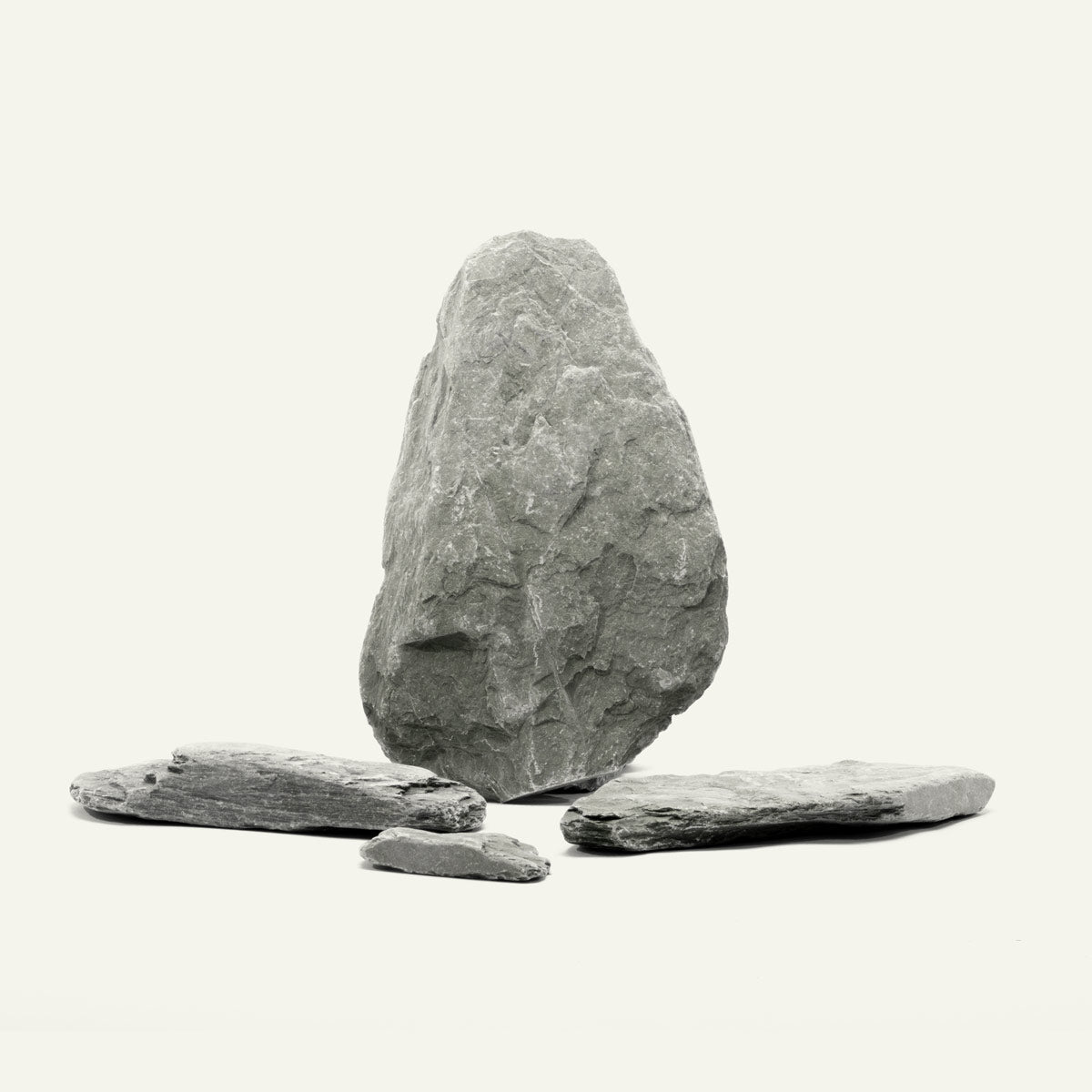
Grey River Slate
$24.99Grey River Slate
$24.99 -
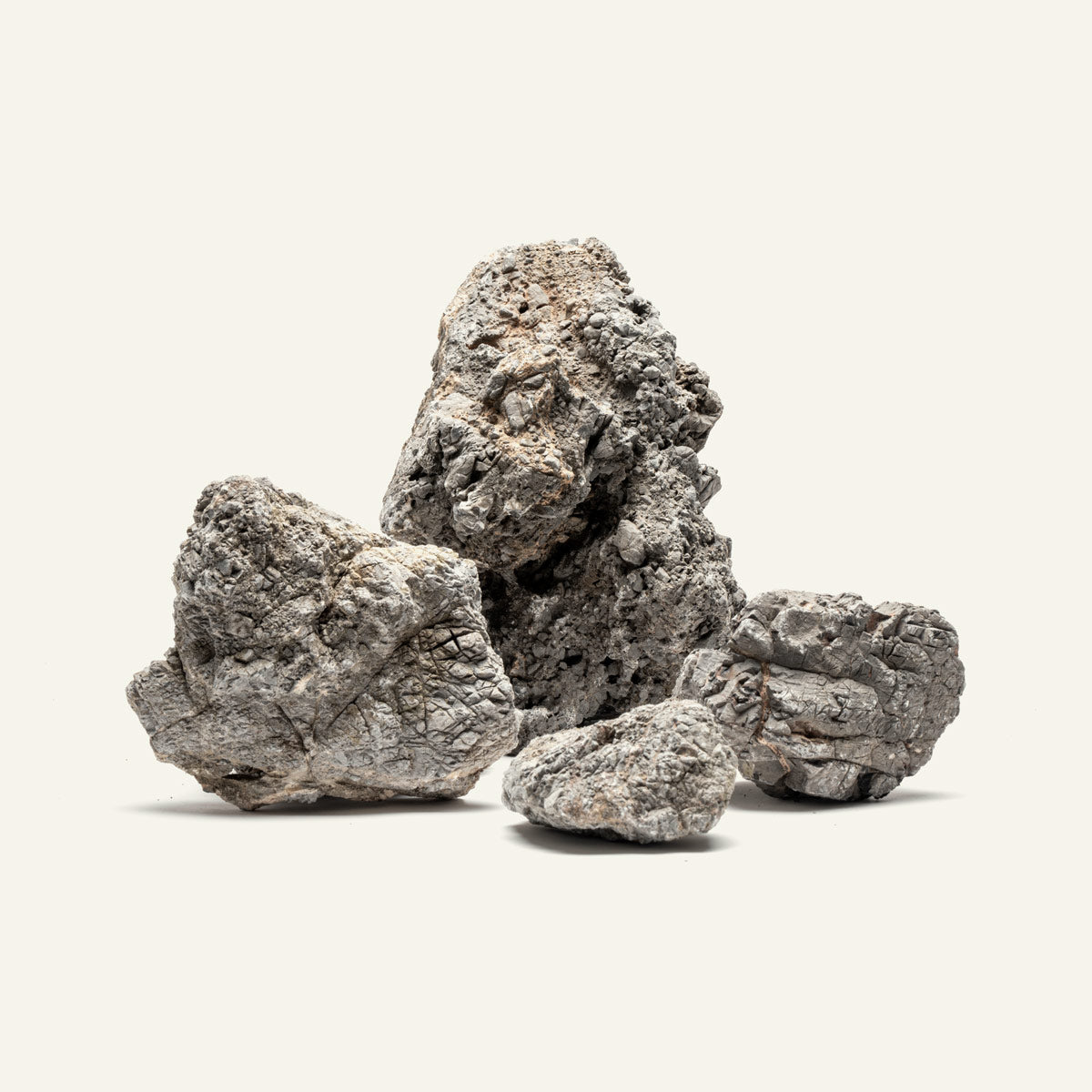
Wolf Stone
$44.99Wolf Stone
$44.99 -
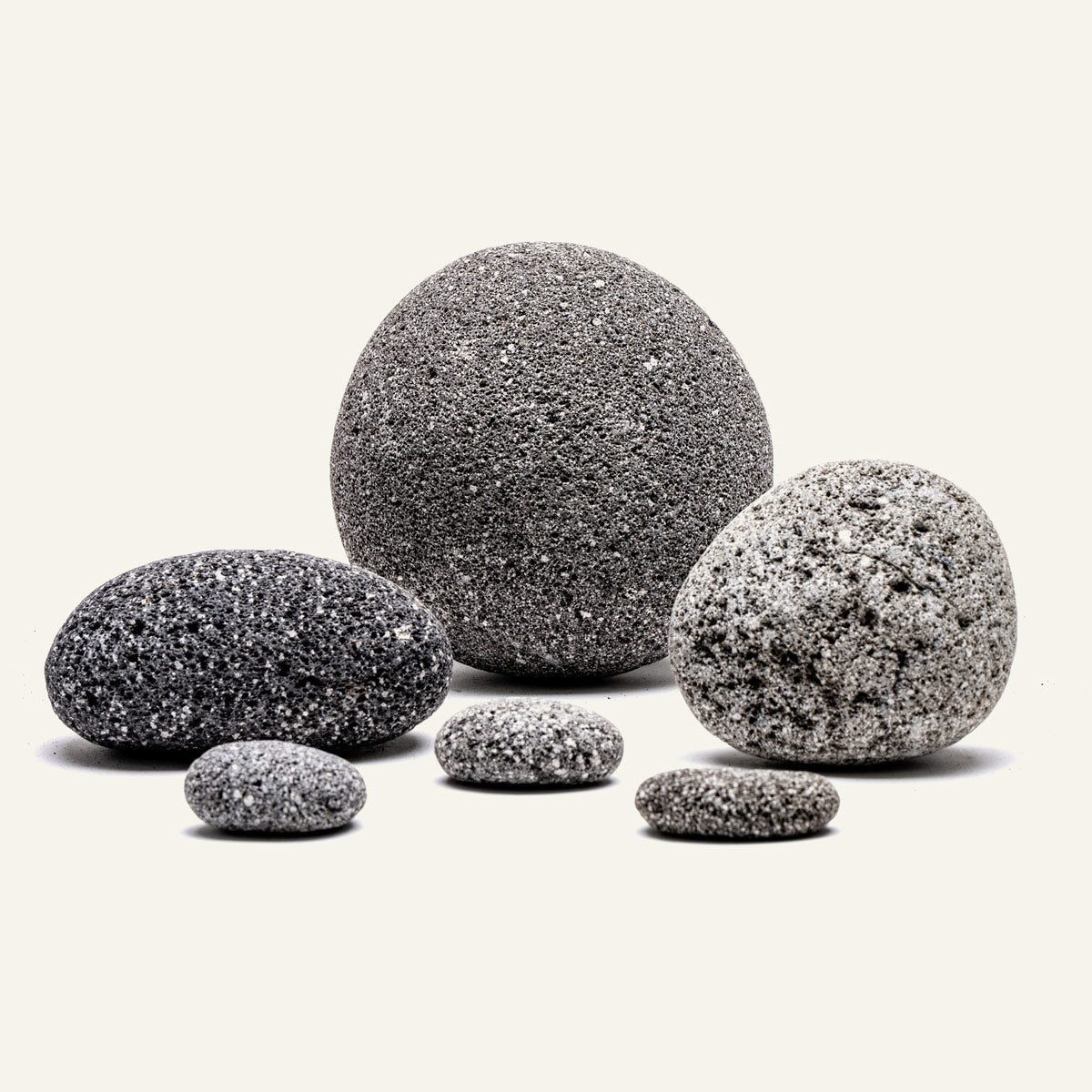
Black Star Lava Rock
$47.99Black Star Lava Rock
$47.99 -
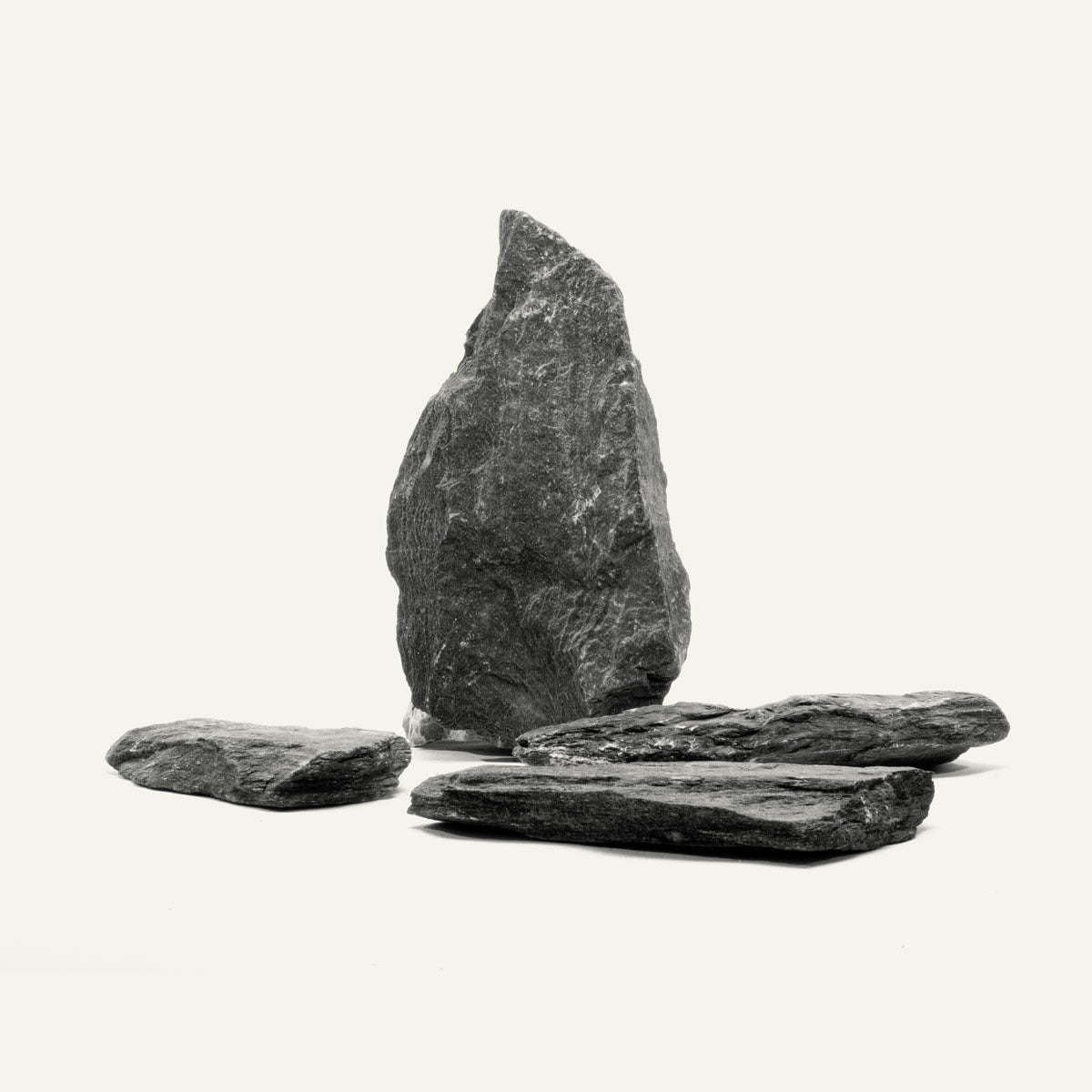
Black Slate
$24.99Black Slate
$24.99 -
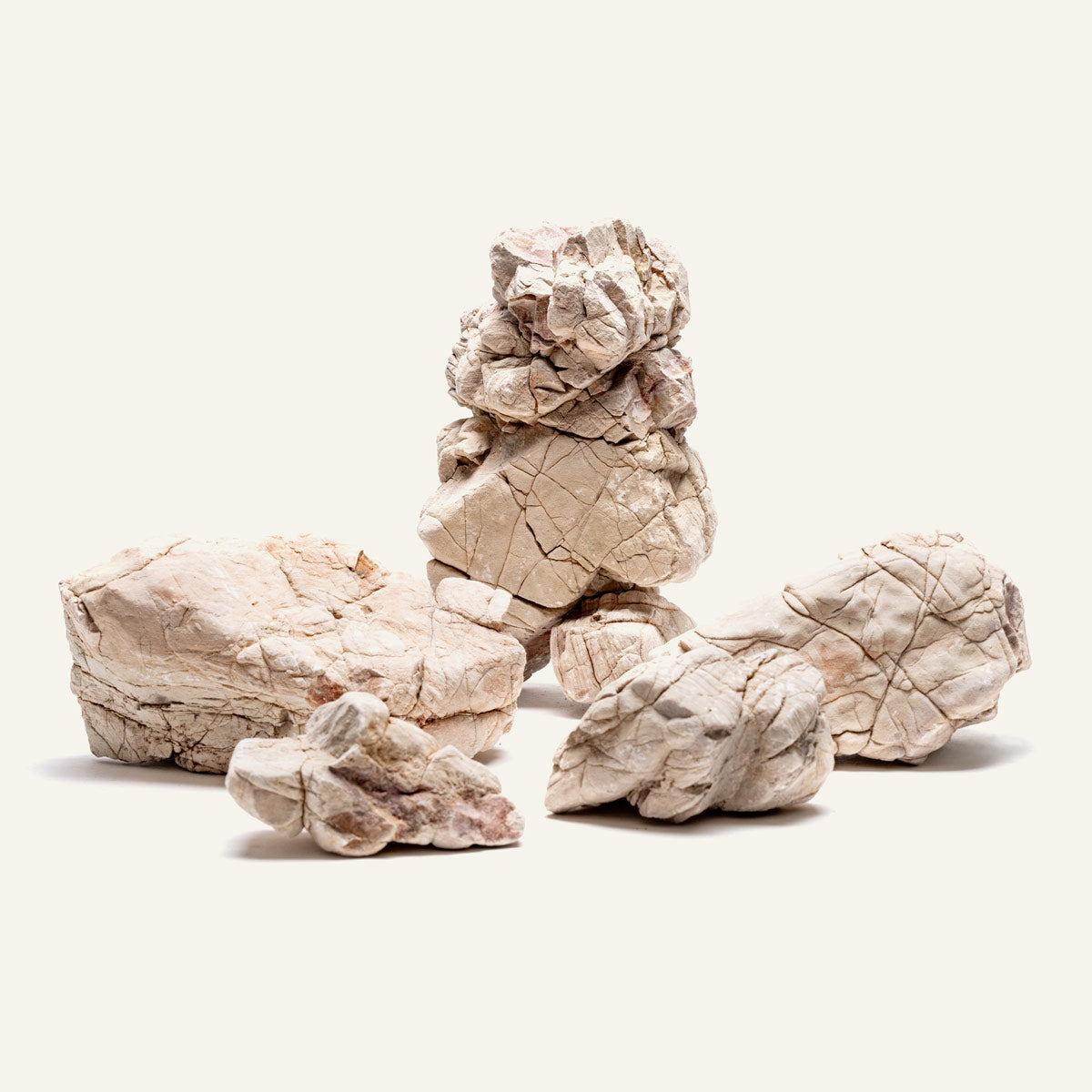
White Elephant Skin Stone
$24.99White Elephant Skin Stone
$24.99 -

Jade Rhino Stone
$47.99Jade Rhino Stone
$47.99 -
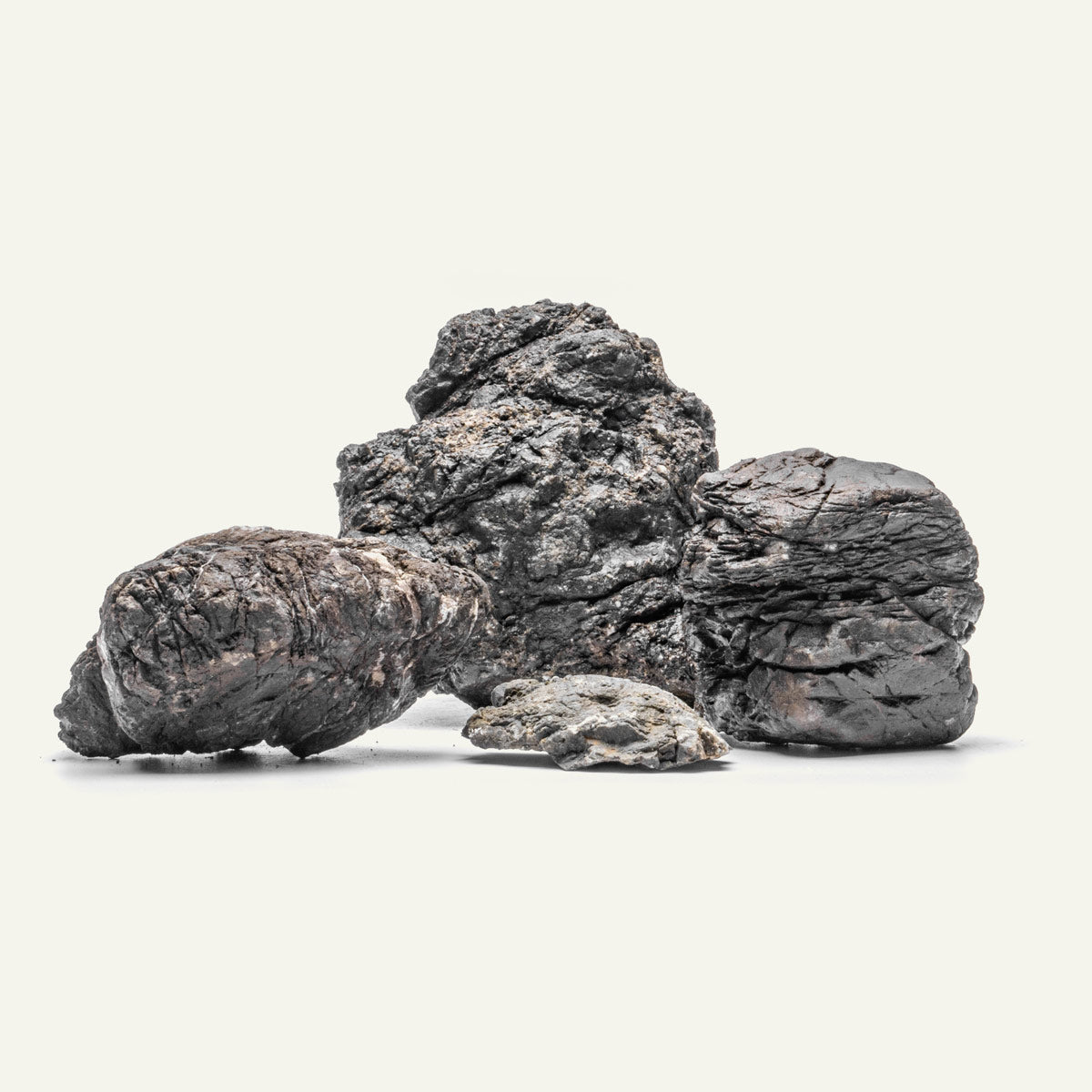
Goliath Stone
$47.99Goliath Stone
$47.99 -
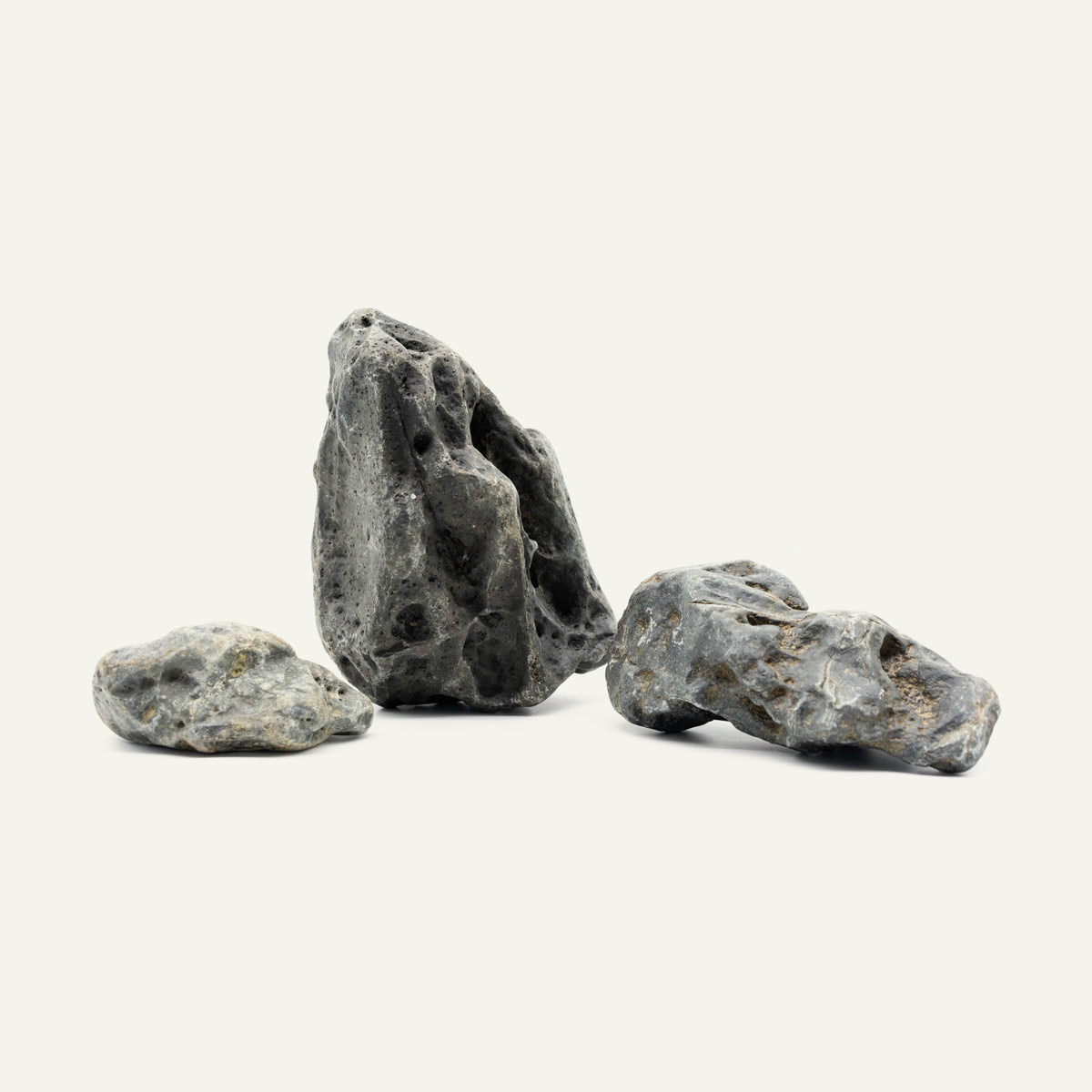
Hakkai Stone
$179.99Hakkai Stone
$179.99 -

UNS Strata Type 1 Seiryu Hardscape
$82.99UNS Strata Type 1 Seiryu Hardscape
$82.99 -
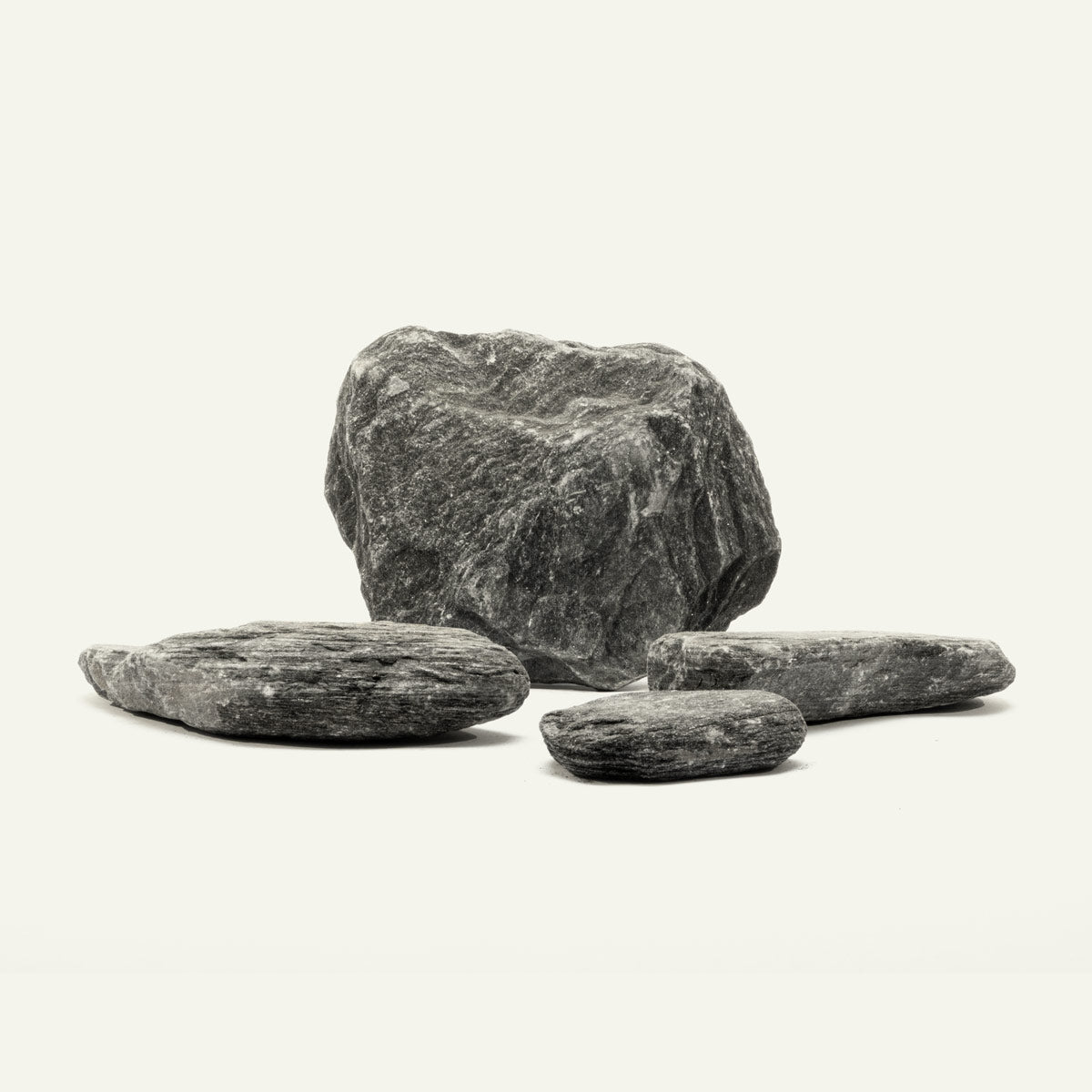
Black River Slate
$69.99Black River Slate
$69.99 -
 Sale
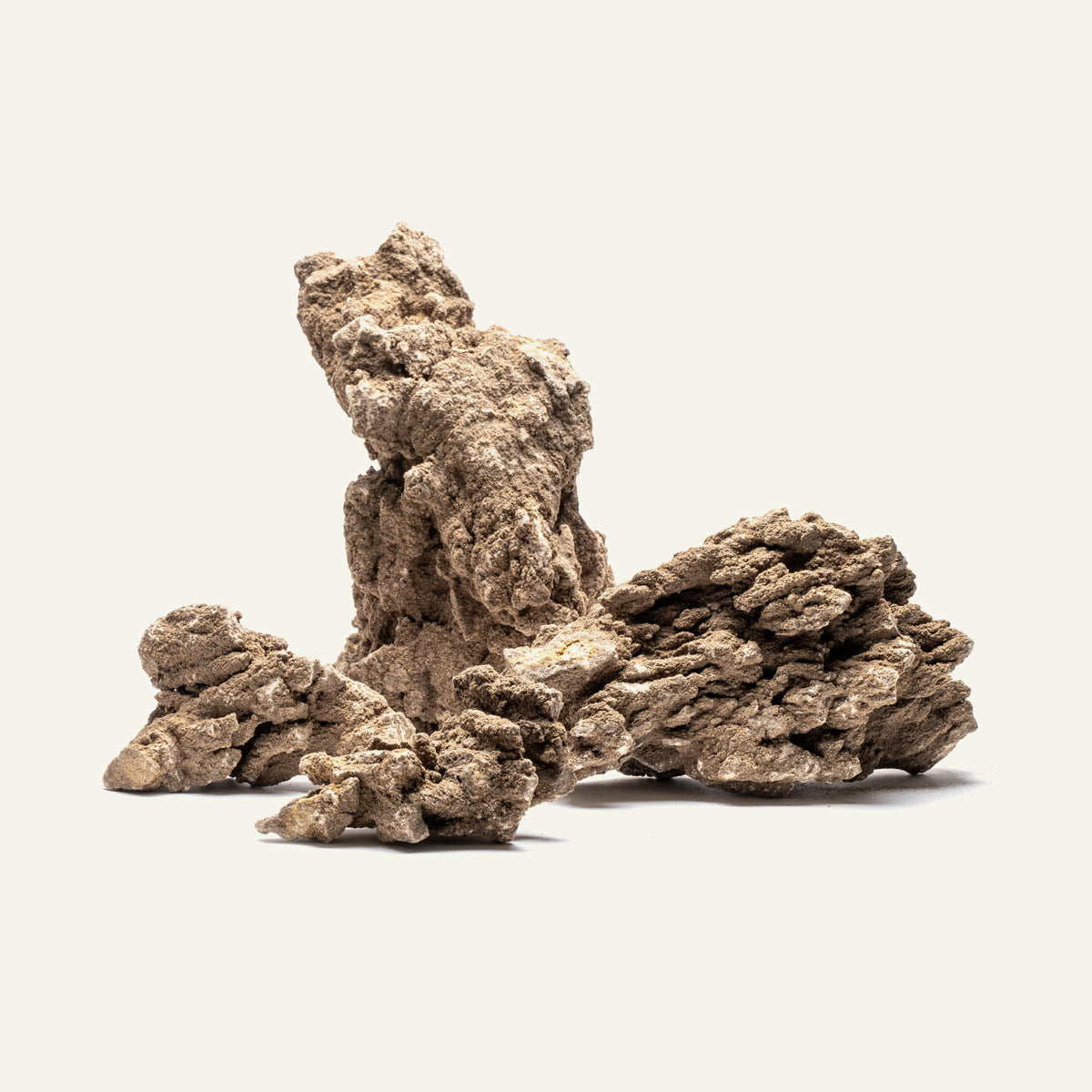
SaleMountain Stone
$64.99$47.99Mountain Stone
$47.99$64.99 -

Cloud Stone
$99.99Cloud Stone
$99.99 -

Red Manten Stone
$99.99Red Manten Stone
$99.99 -

Black Ridge Stone
$99.99Black Ridge Stone
$99.99 -
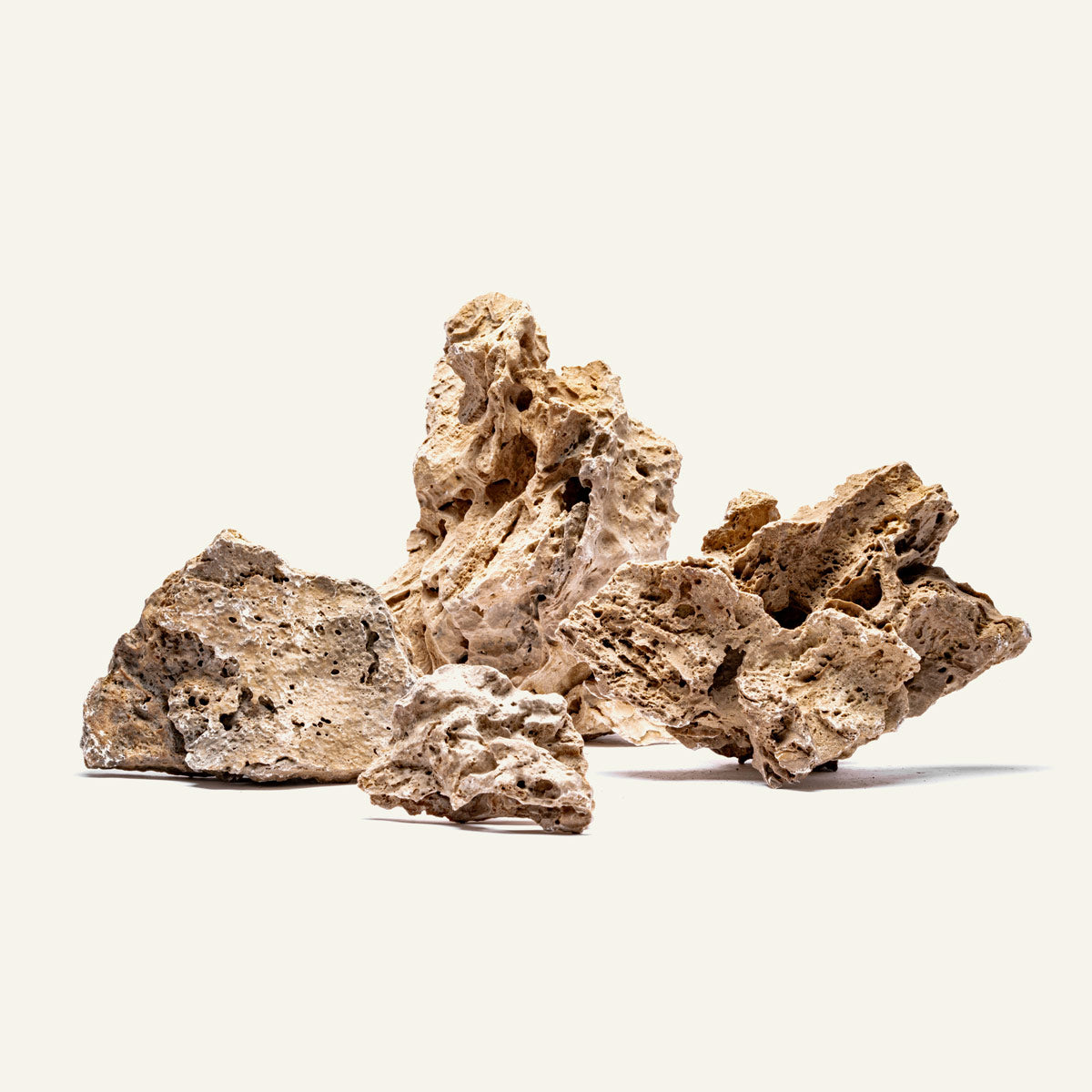
Patagonia Stone
$94.99Patagonia Stone
$94.99 -
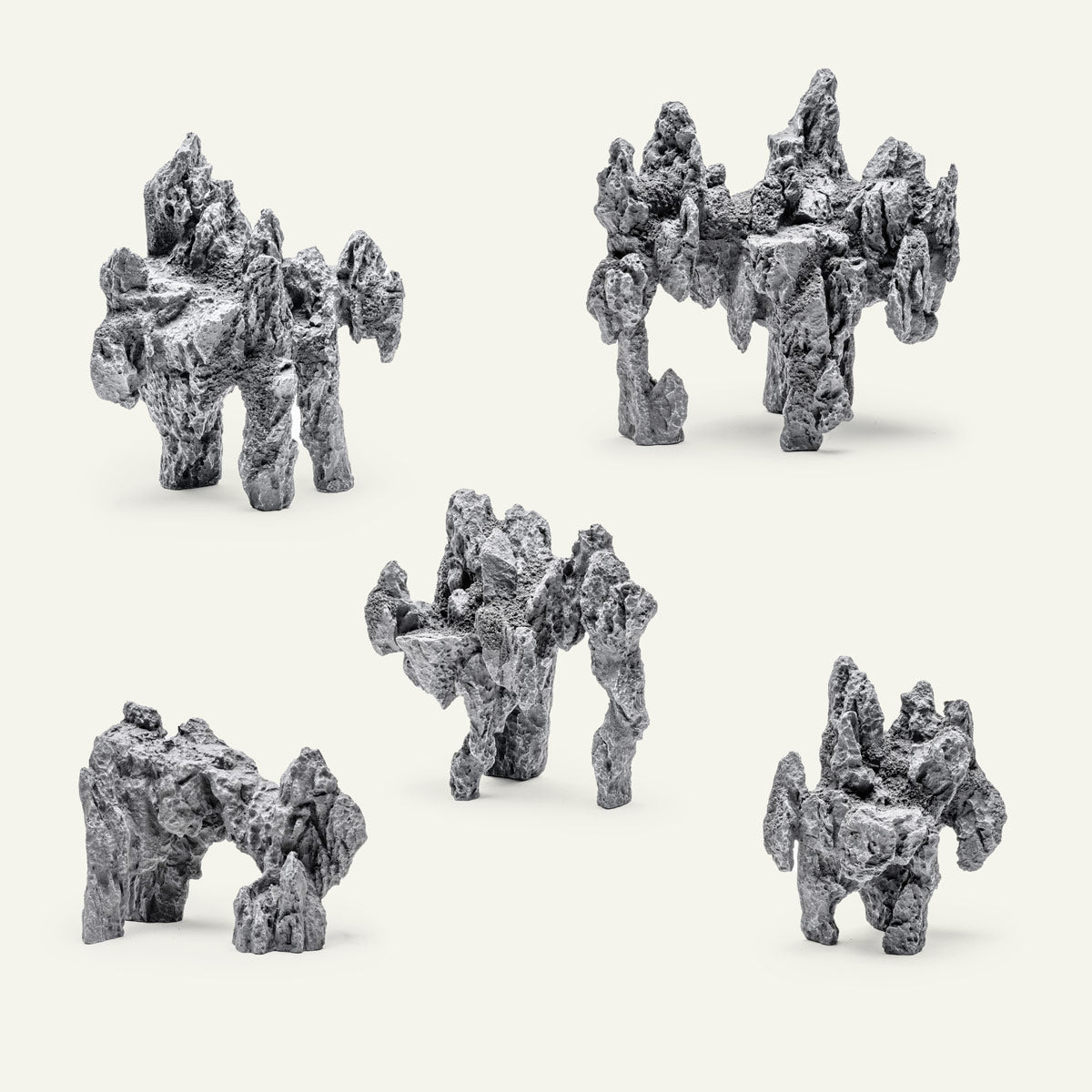
UNS Strata Type 3
$54.99UNS Strata Type 3
$54.99 -

Chameleon Stone
$138.99Chameleon Stone
$138.99
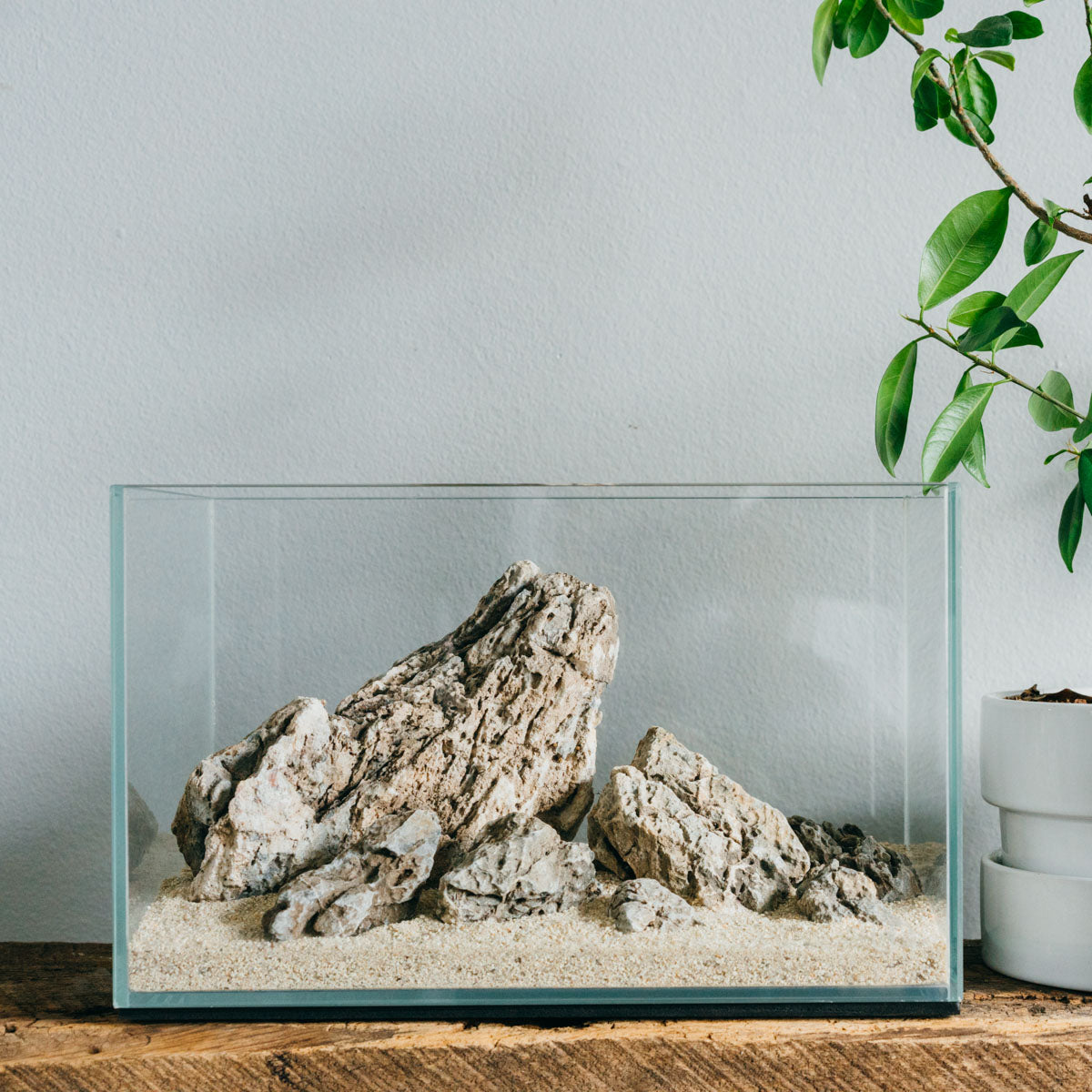
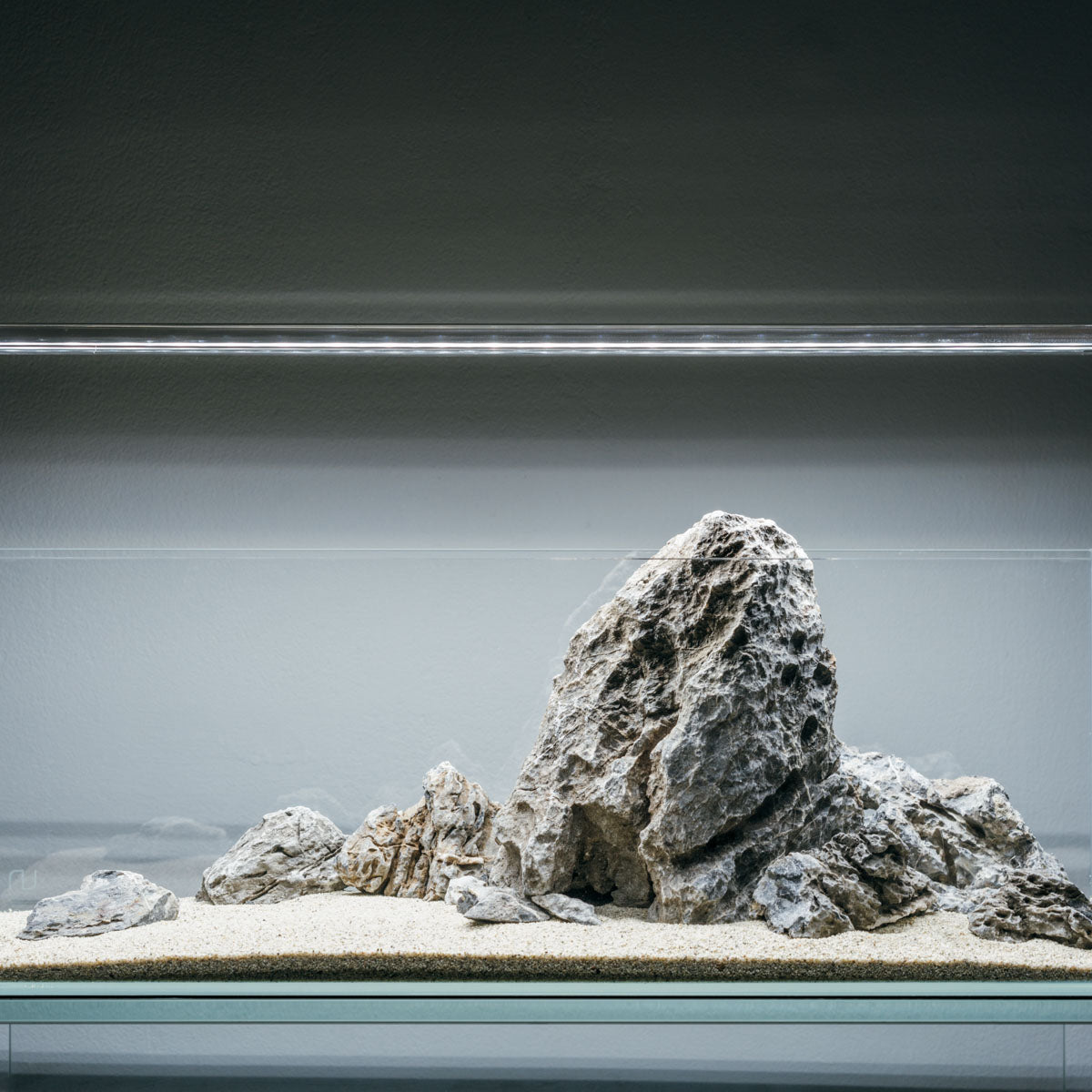
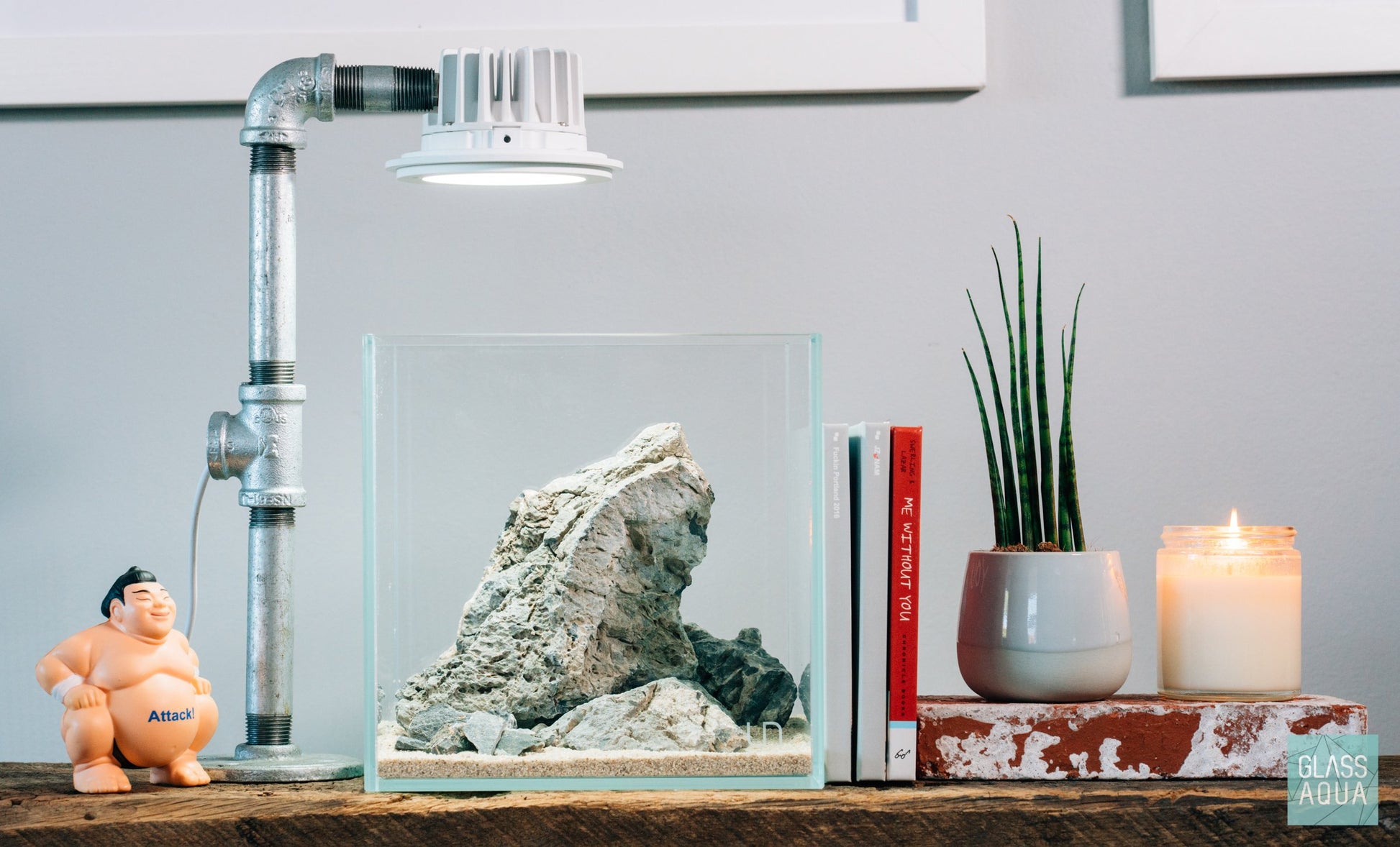
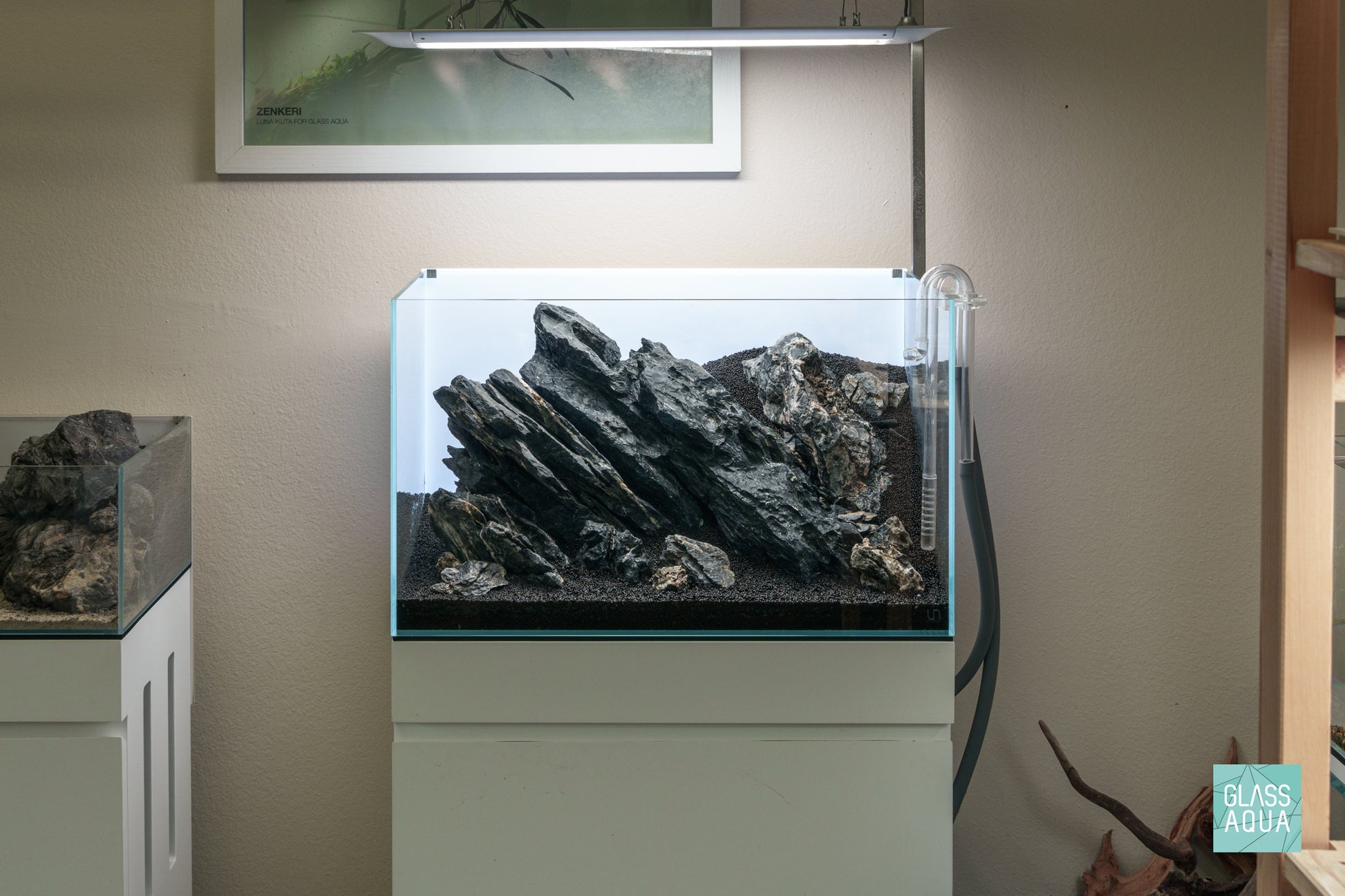
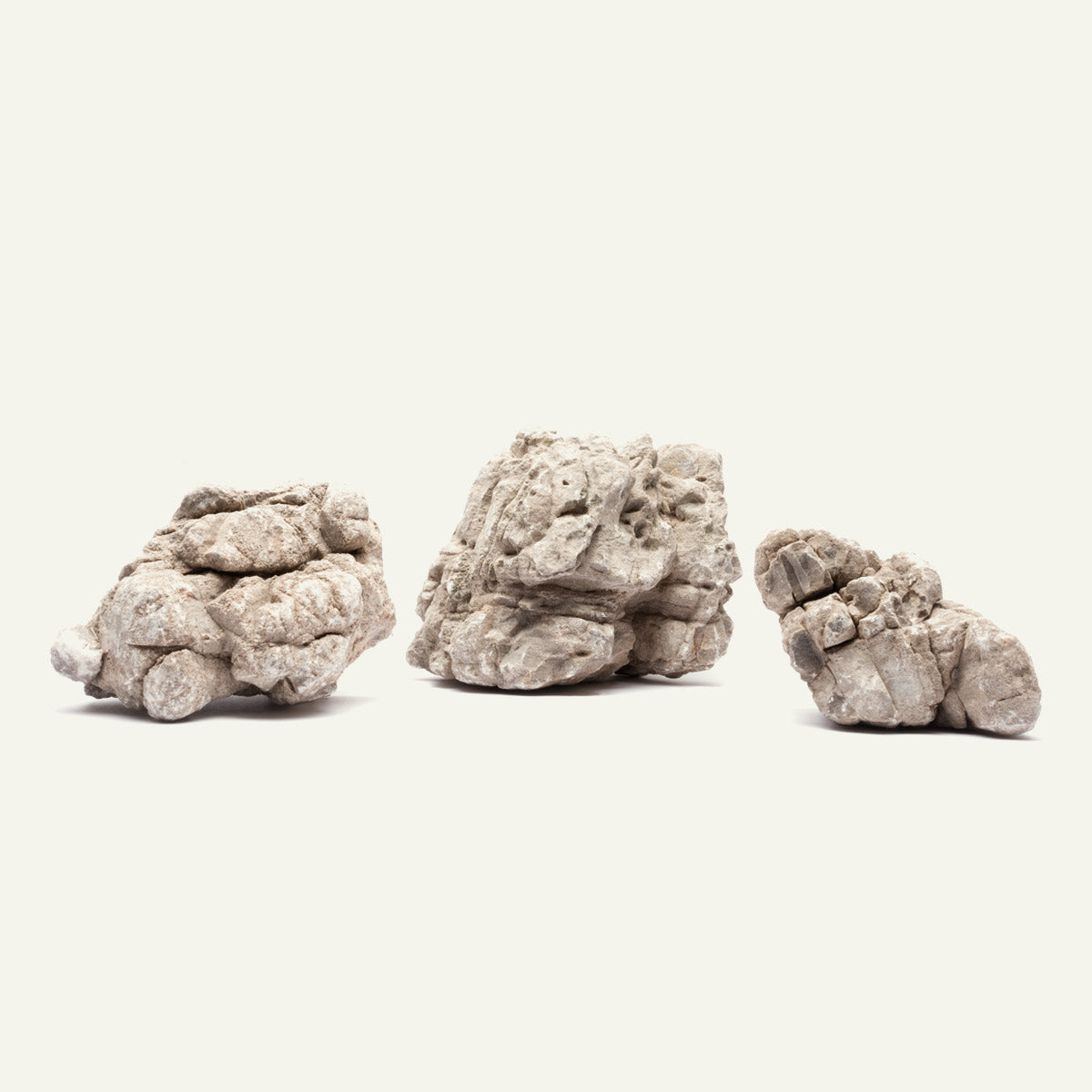
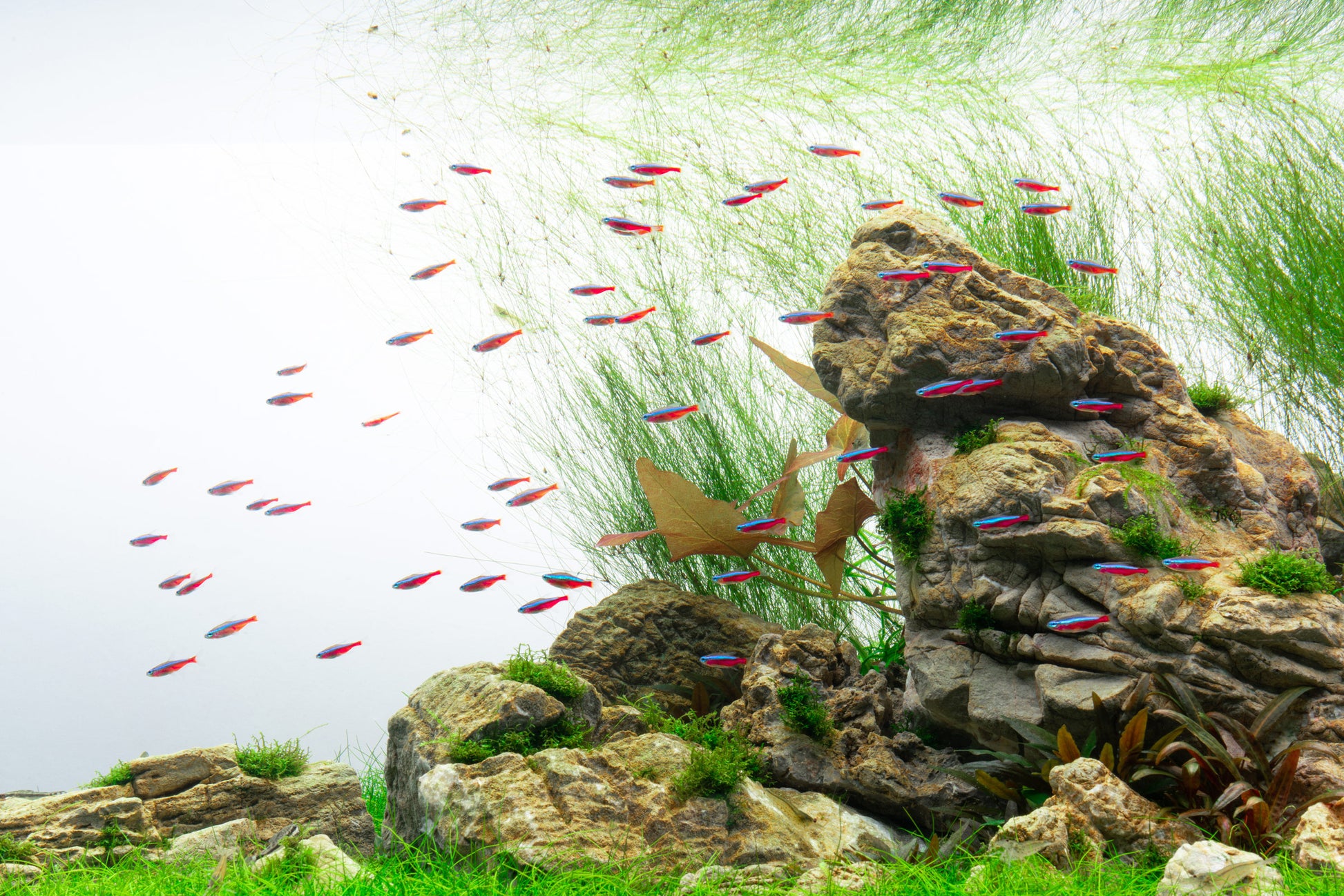
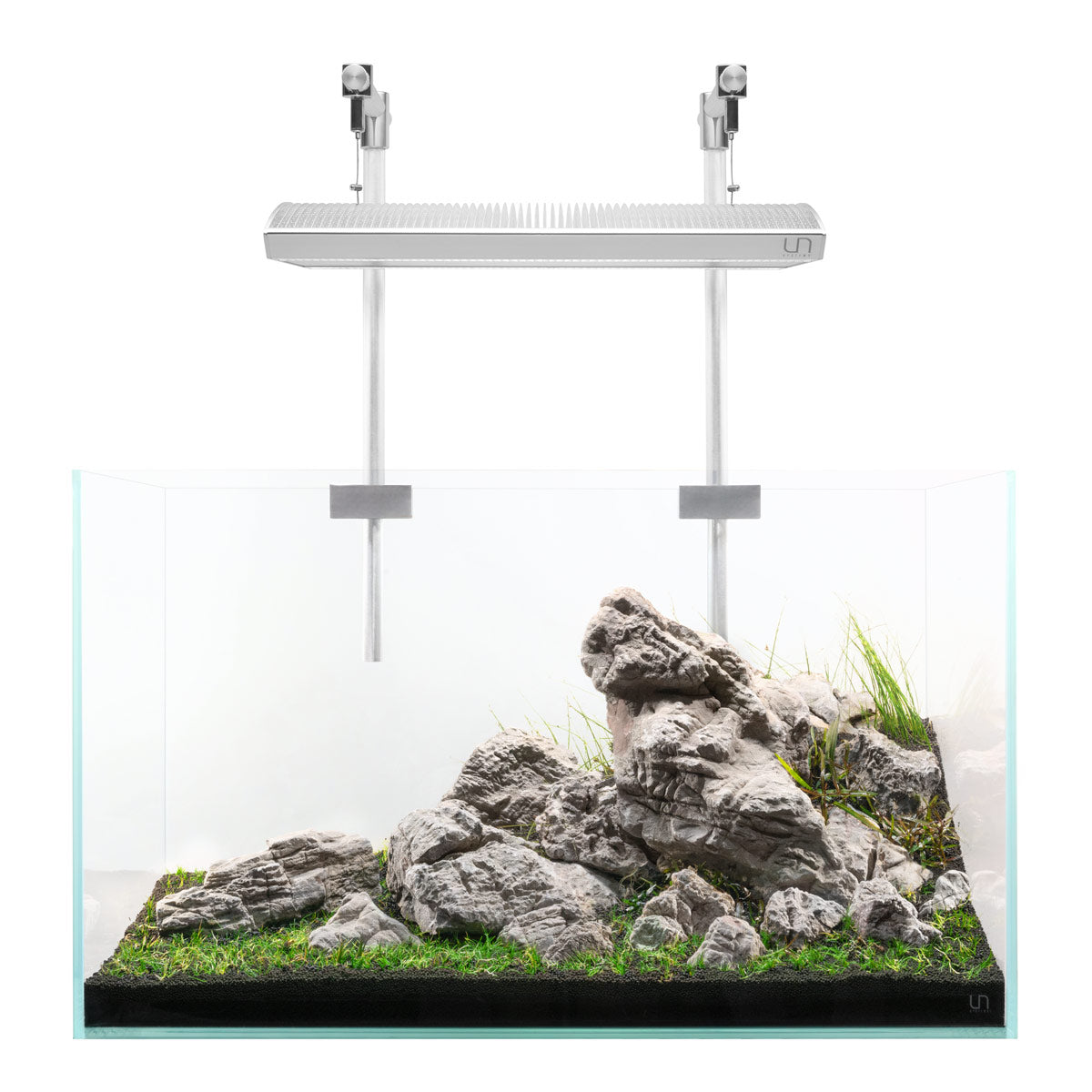
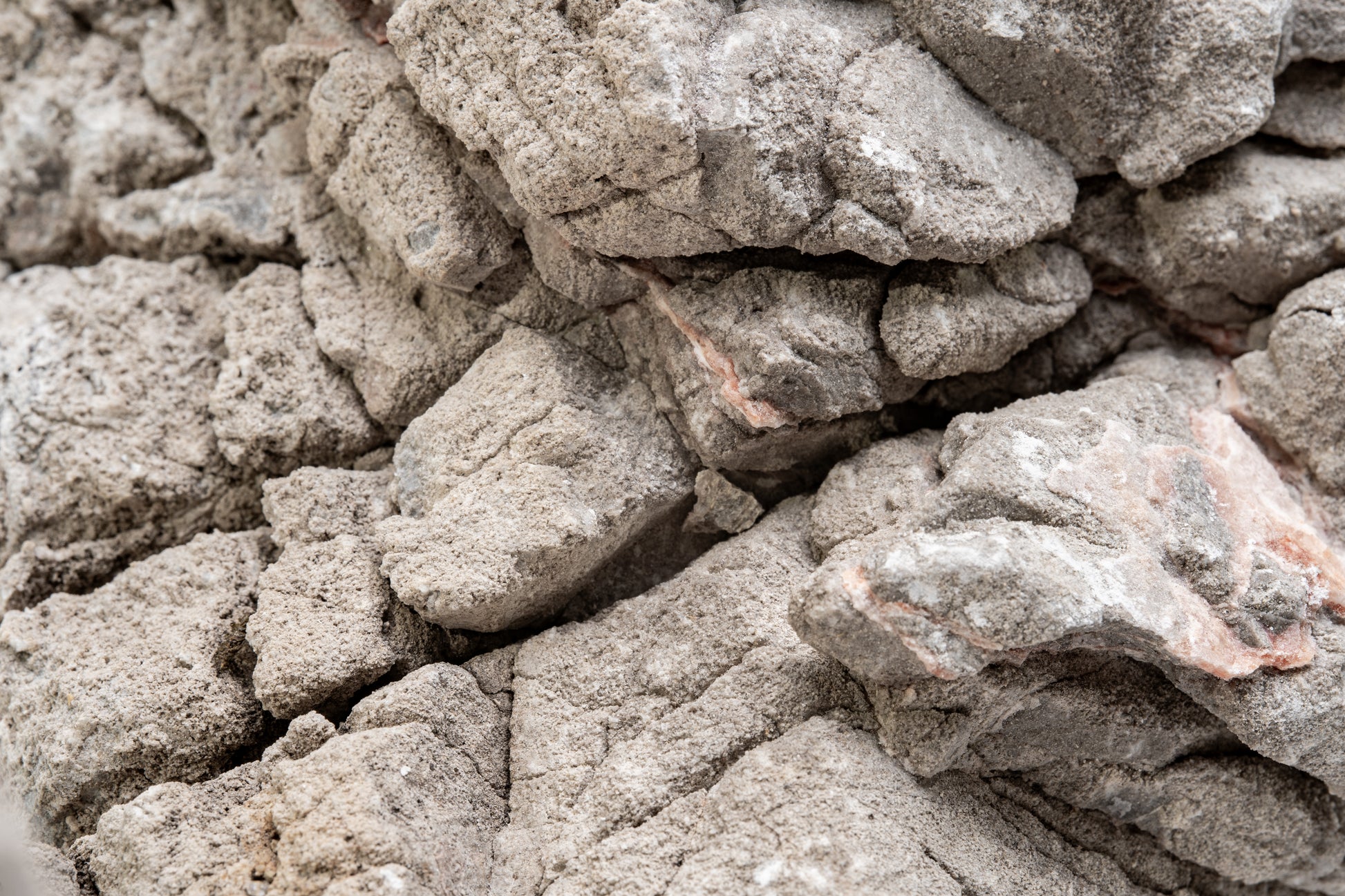
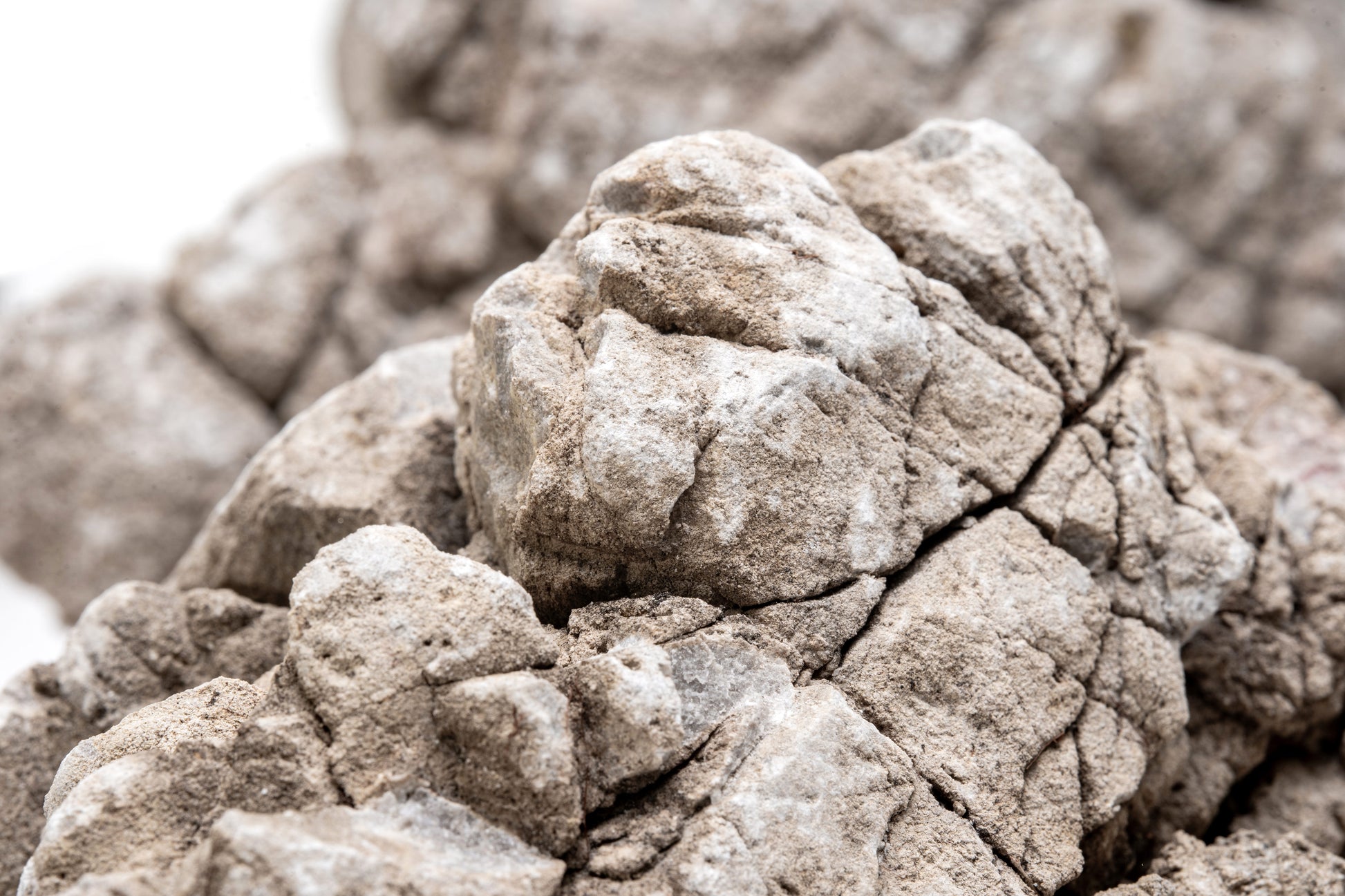
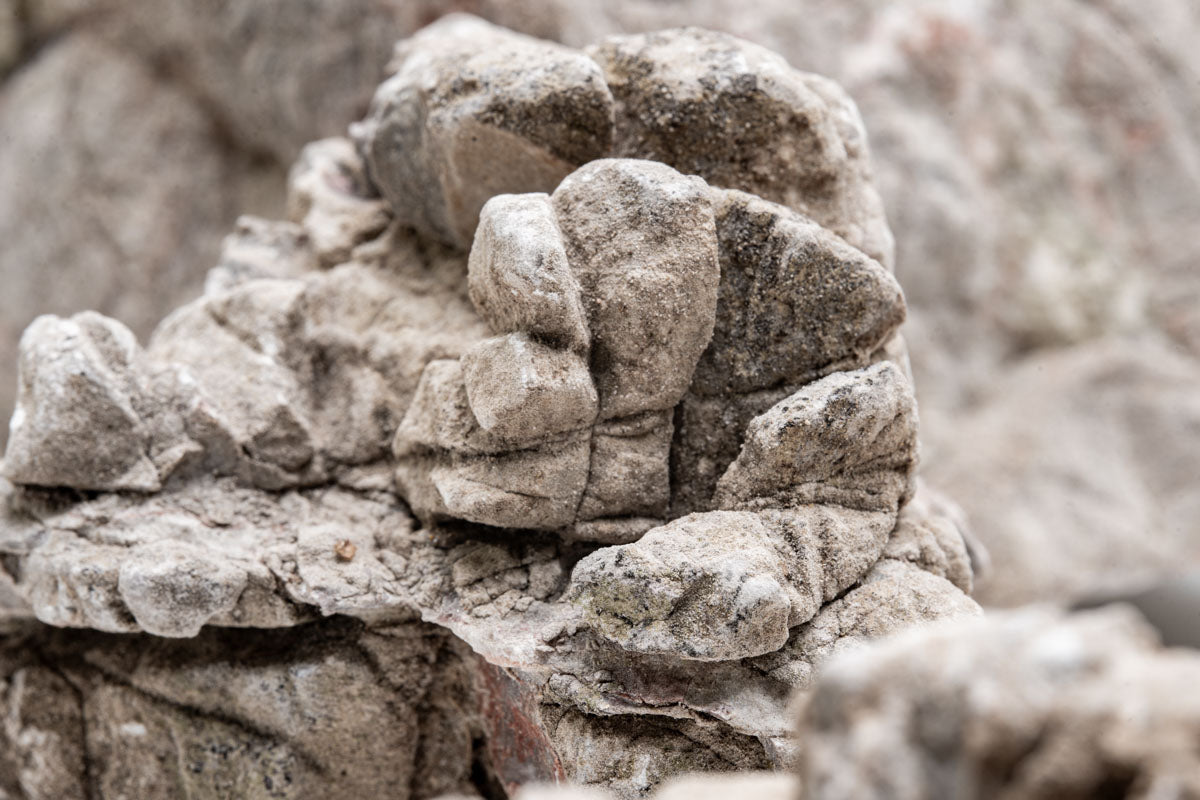
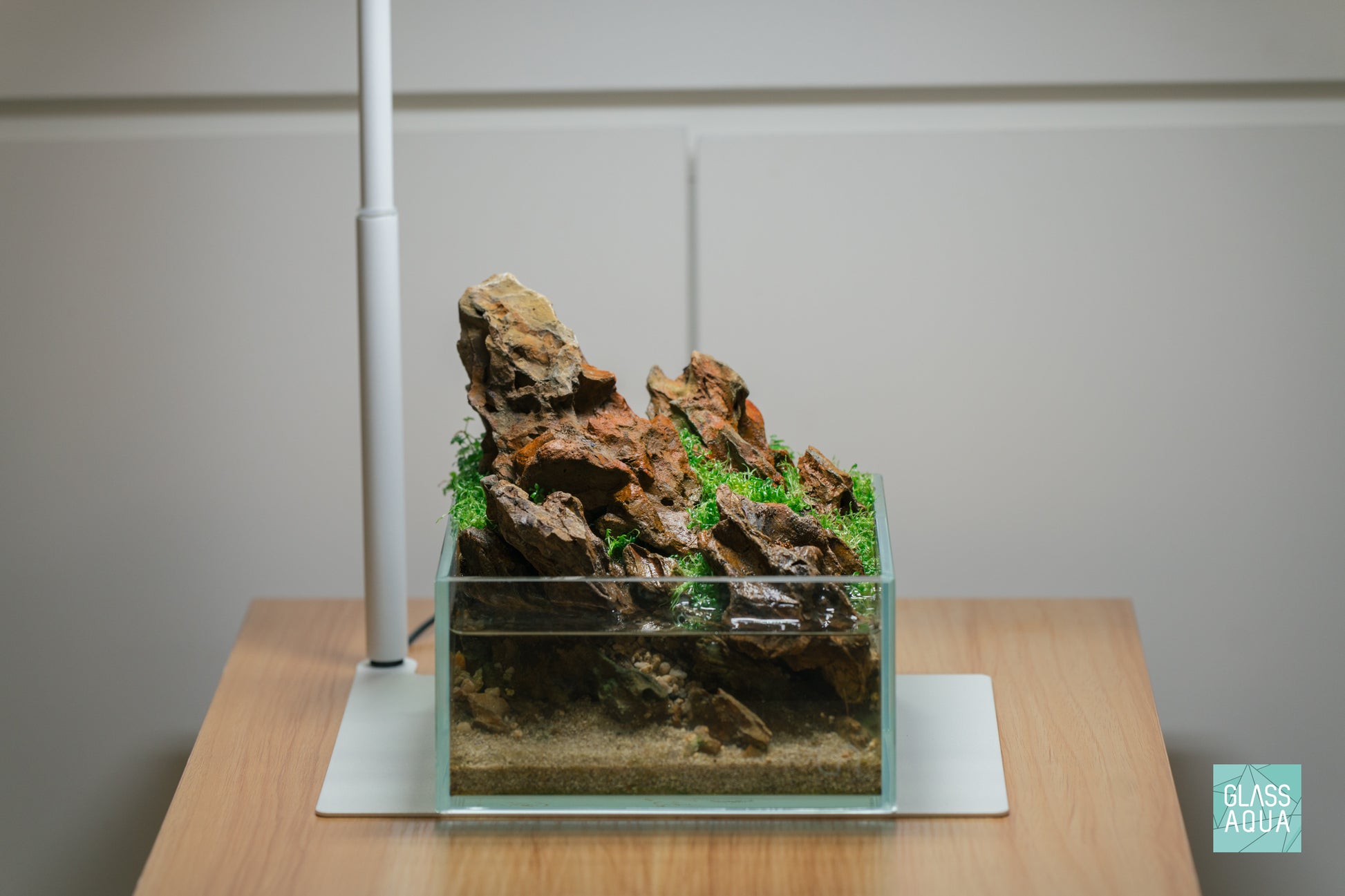
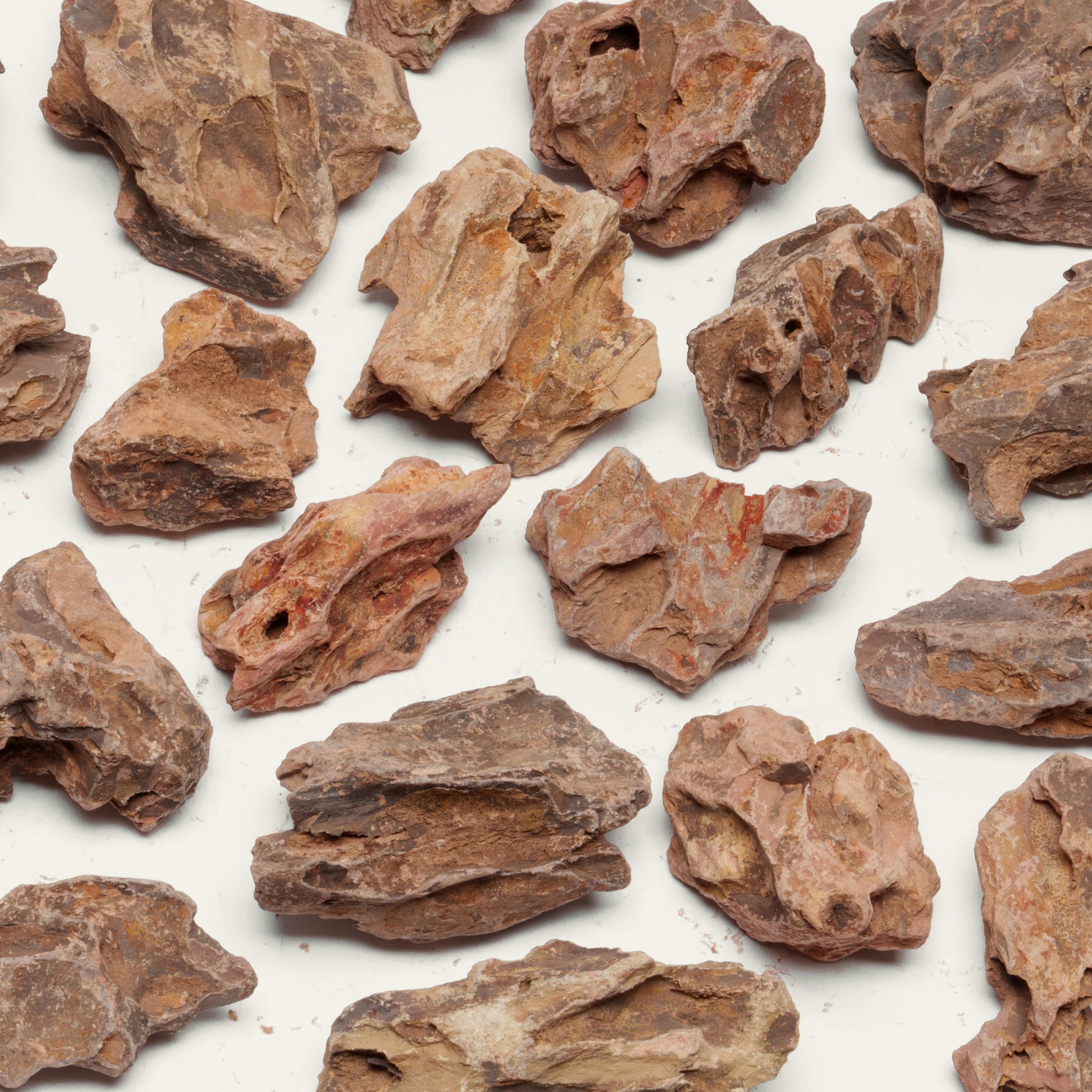


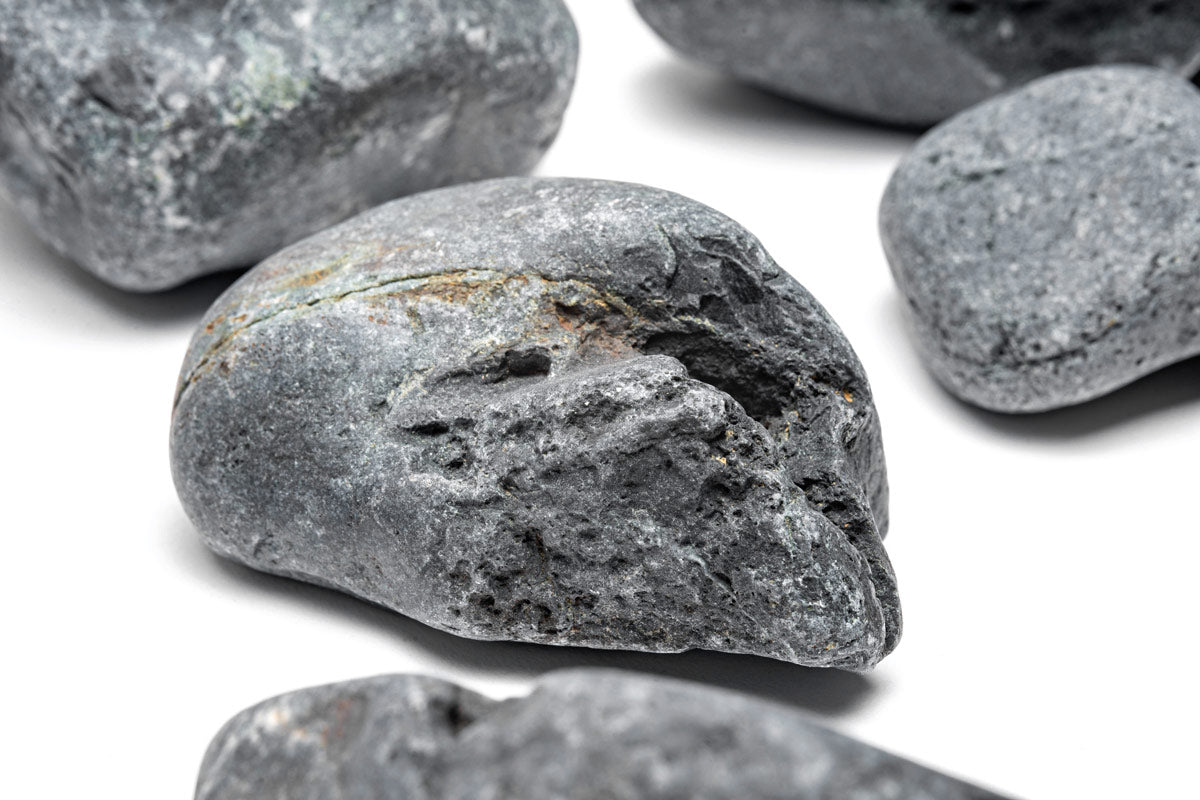
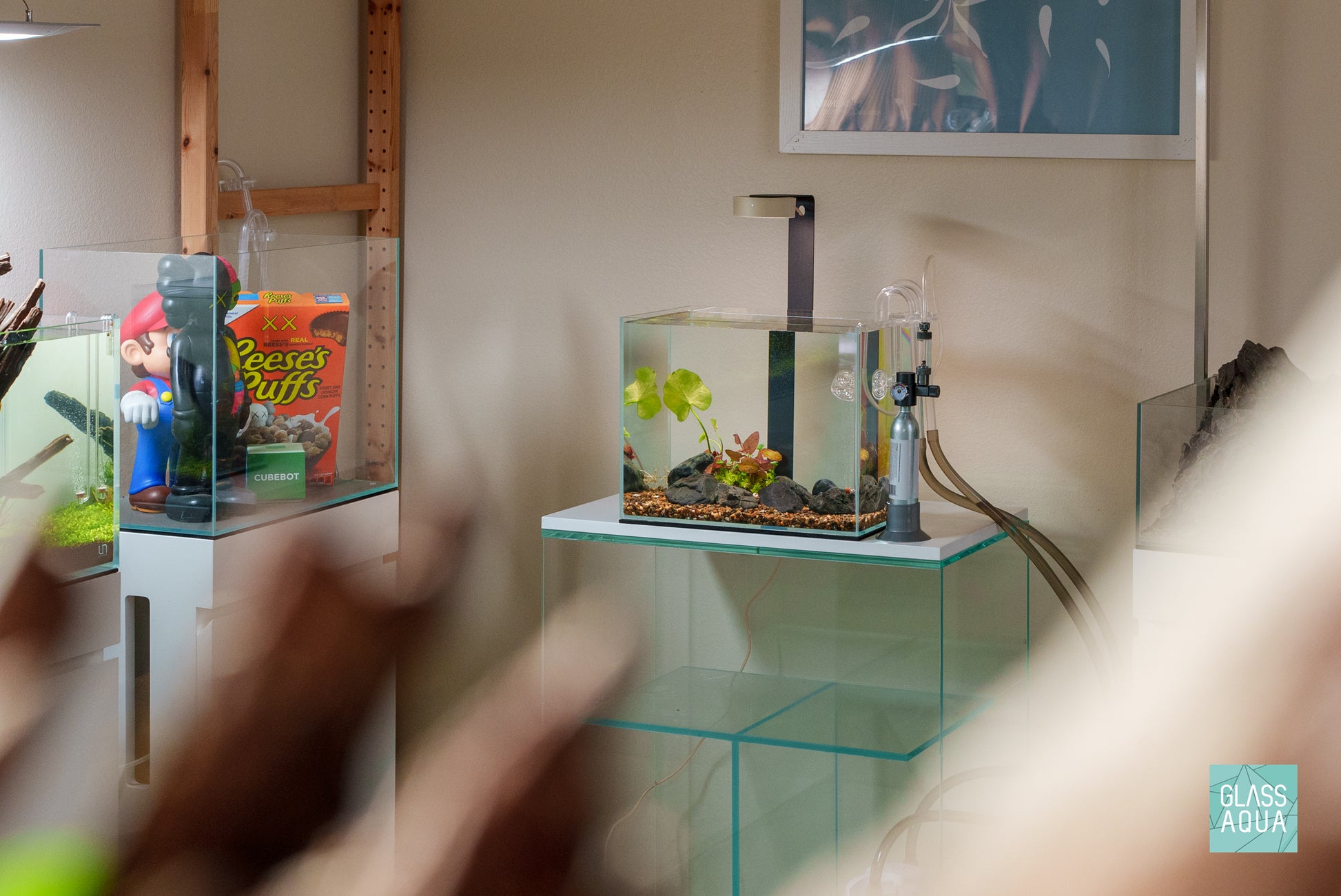
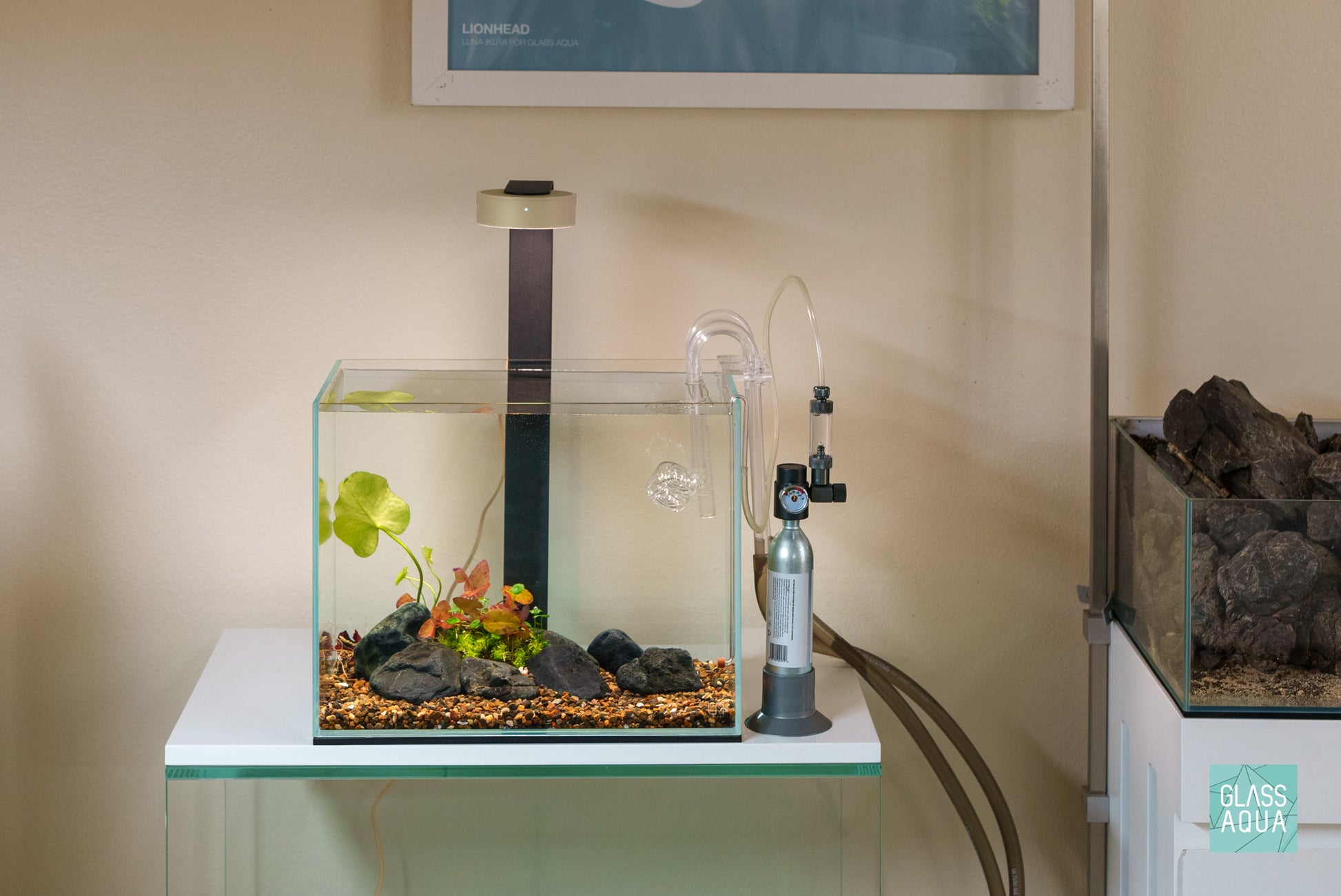
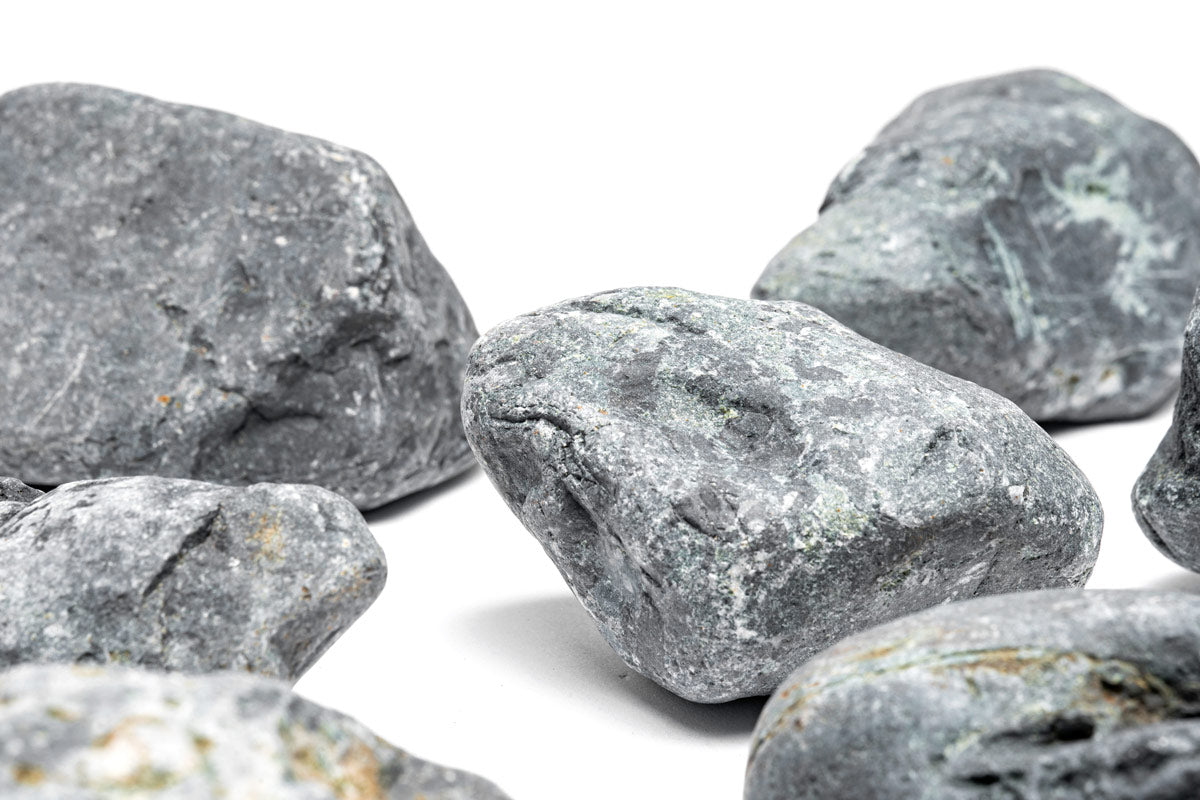


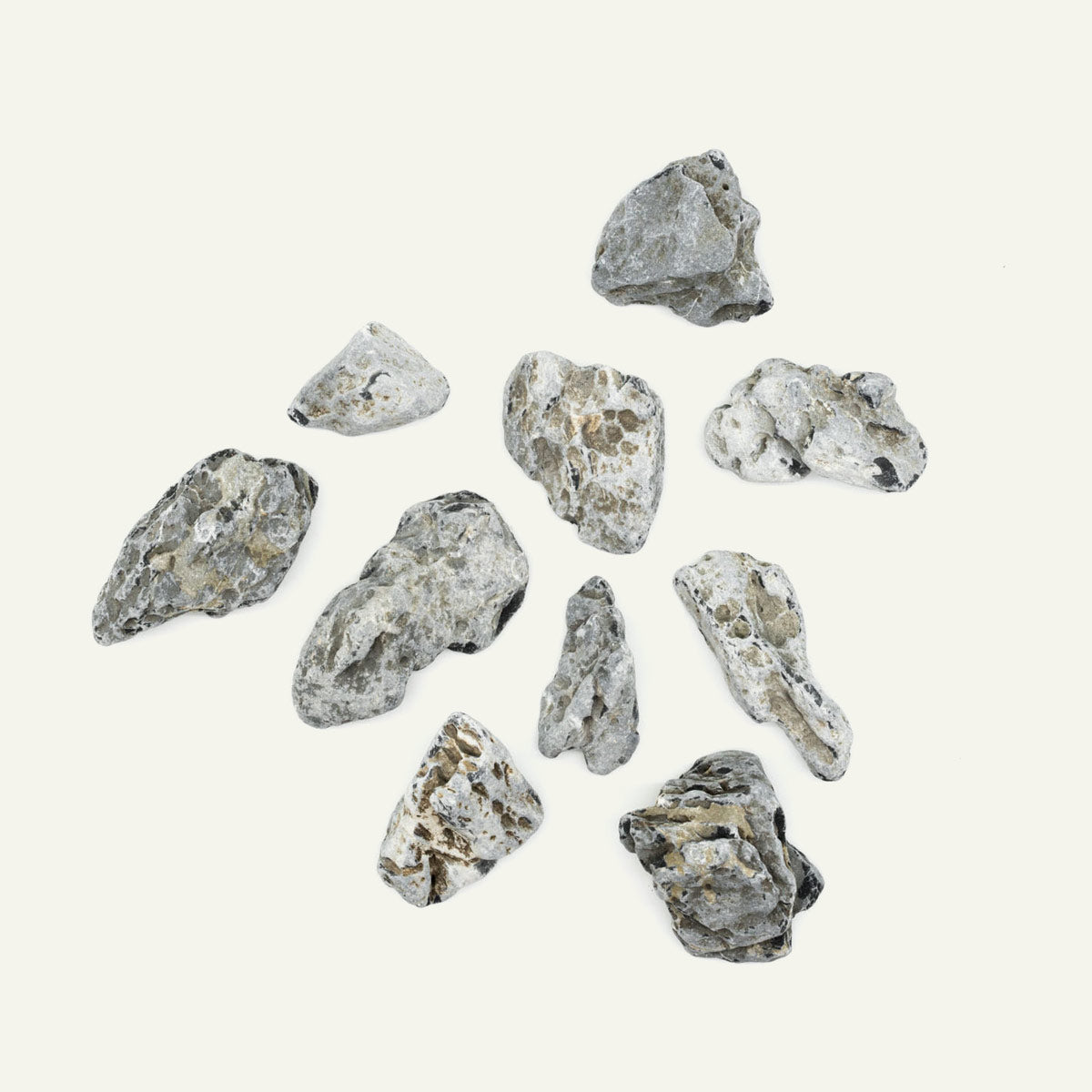
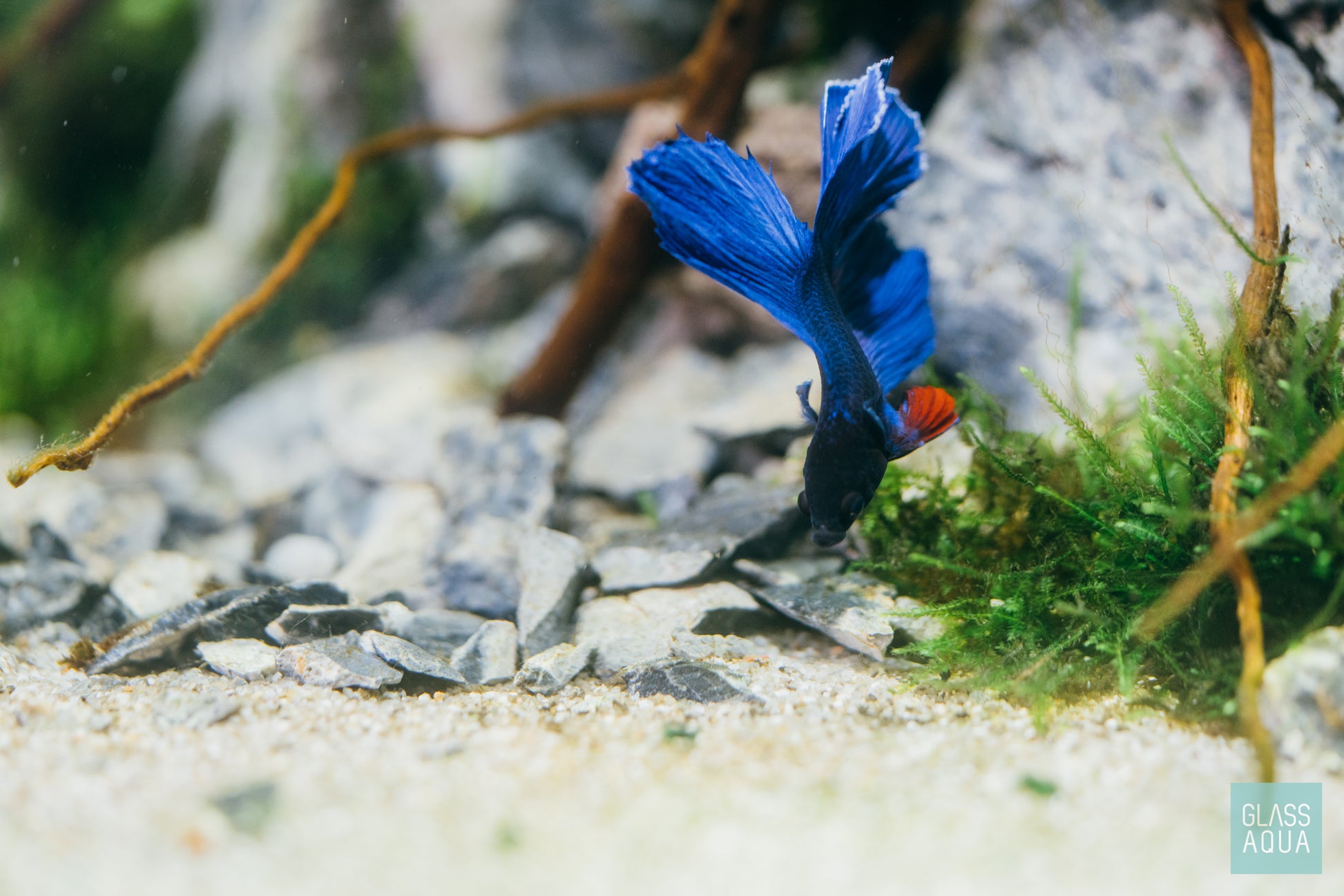
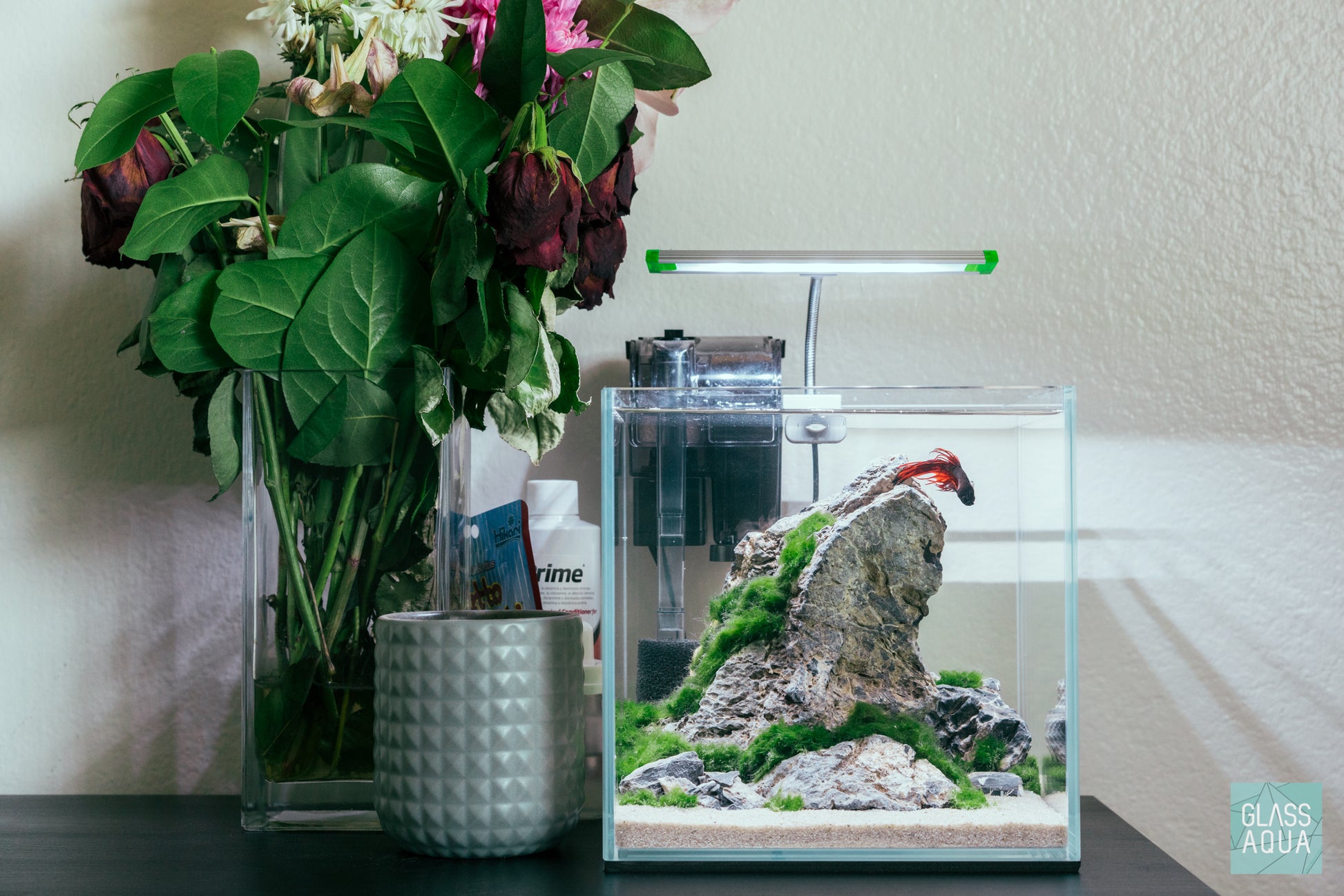
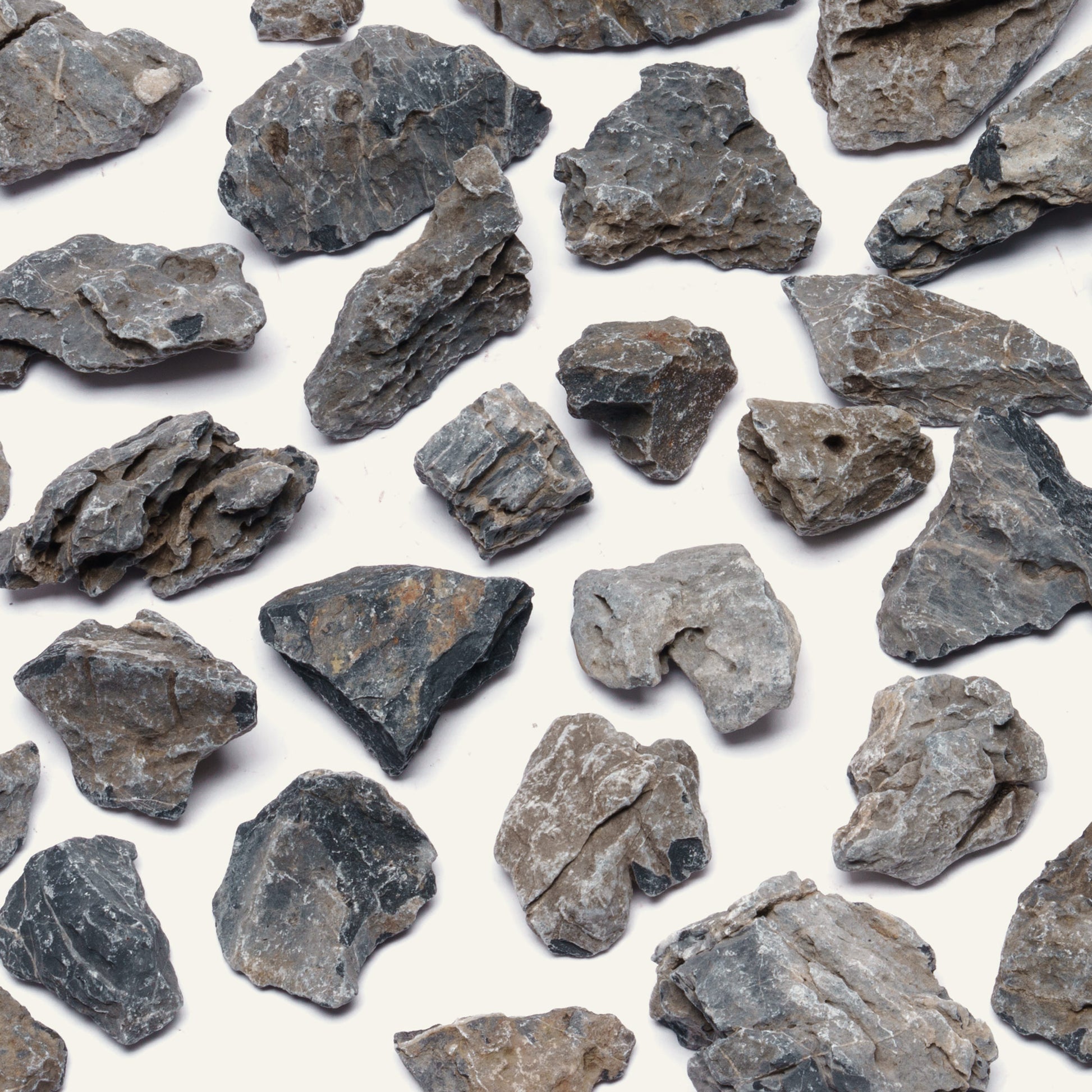
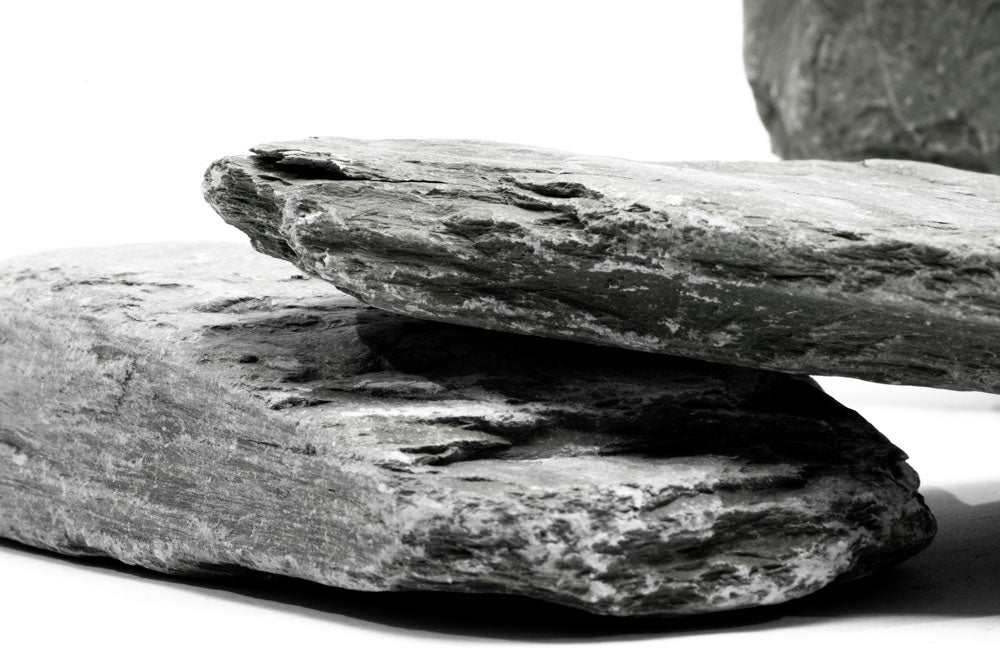
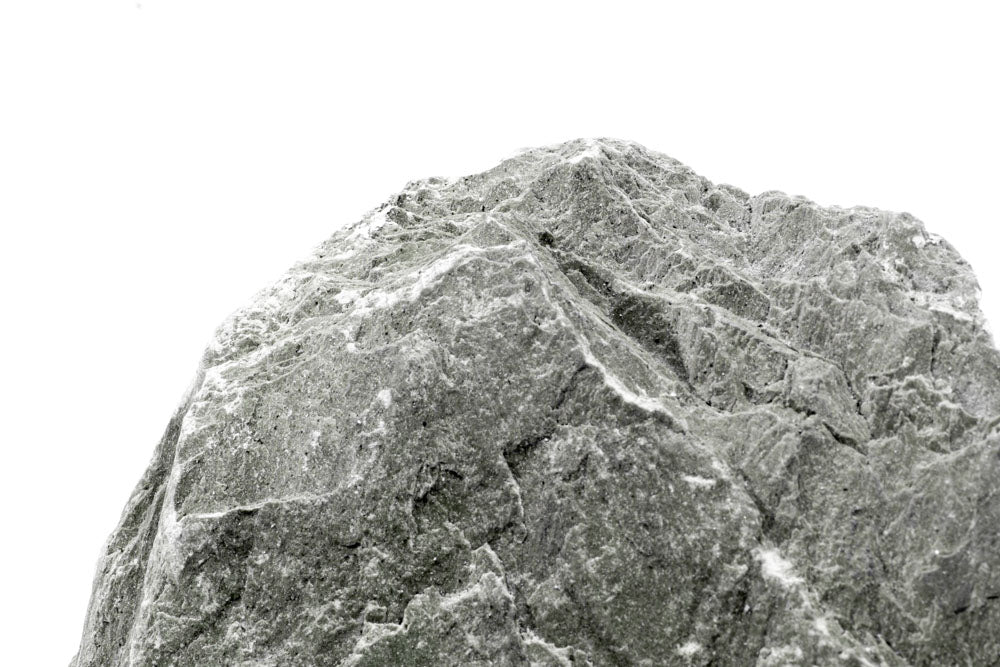
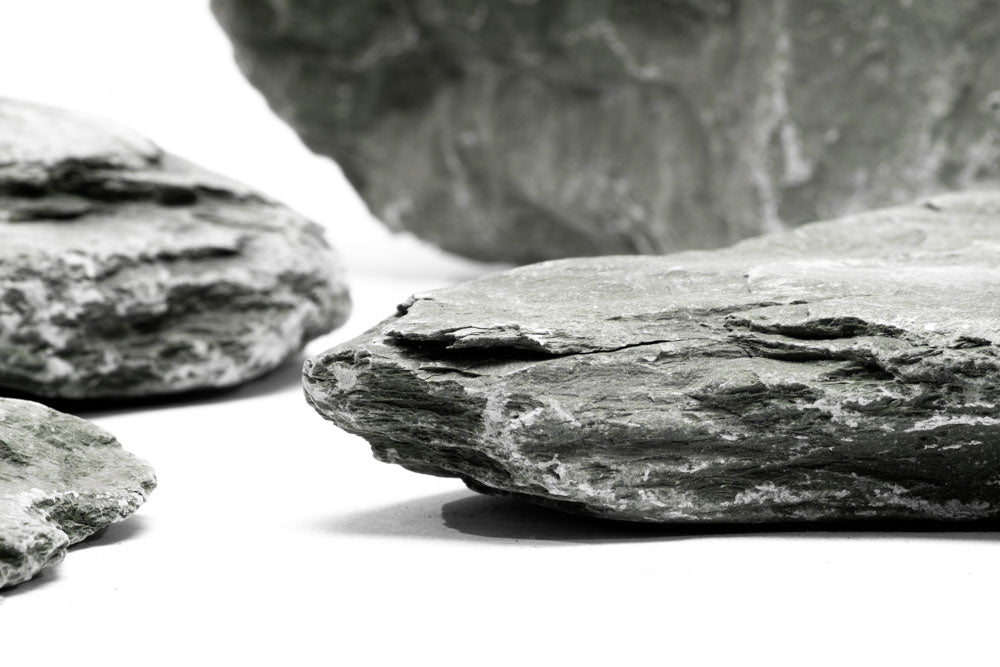
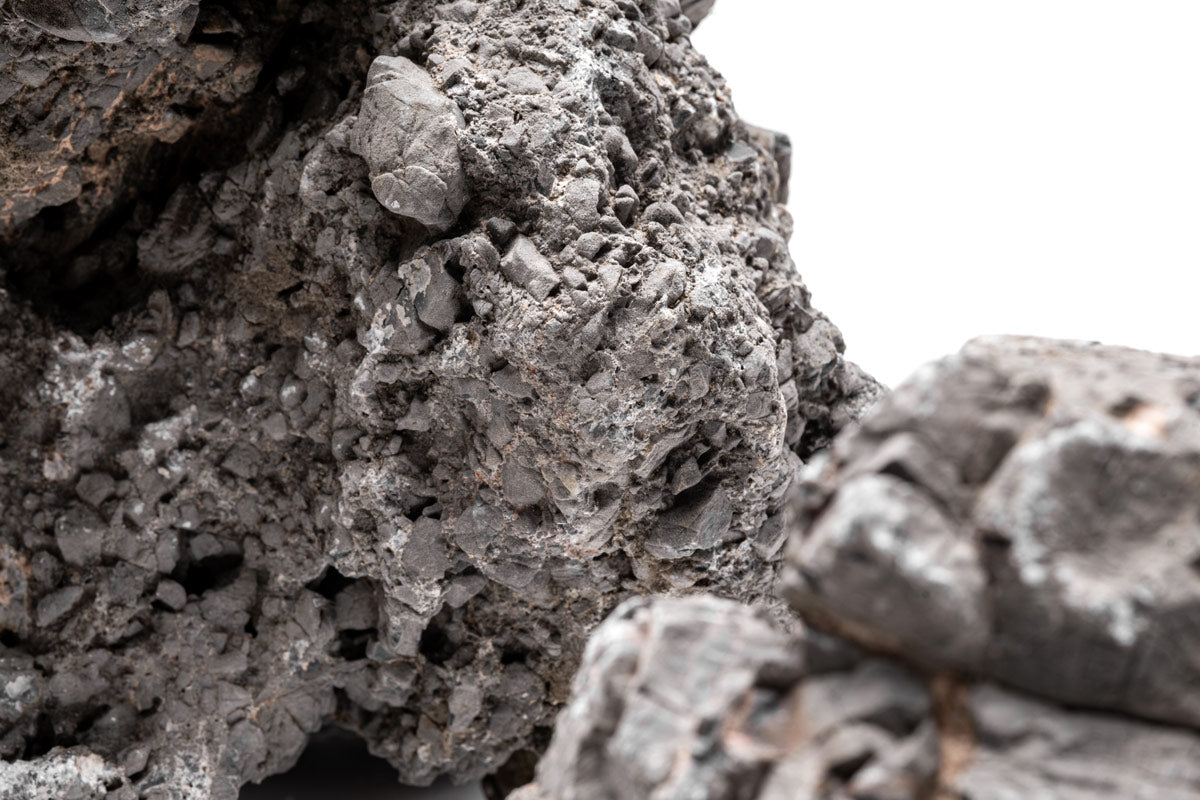
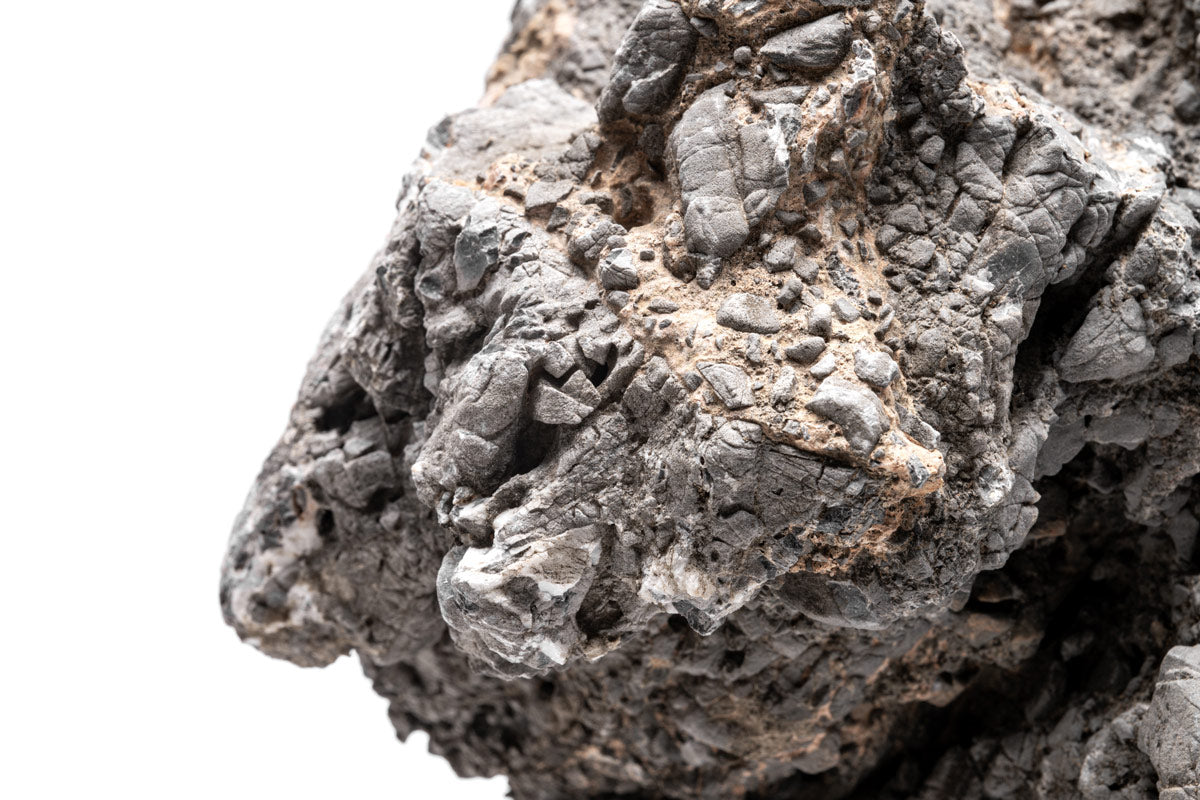
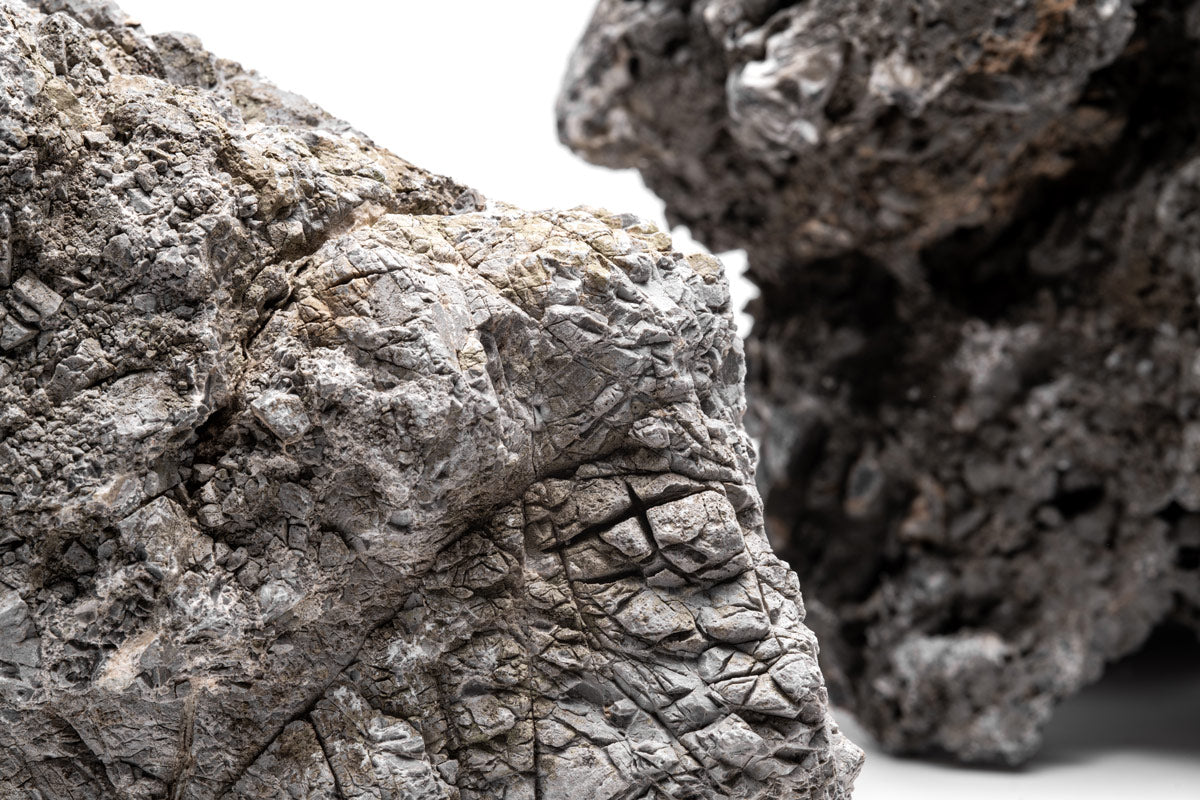
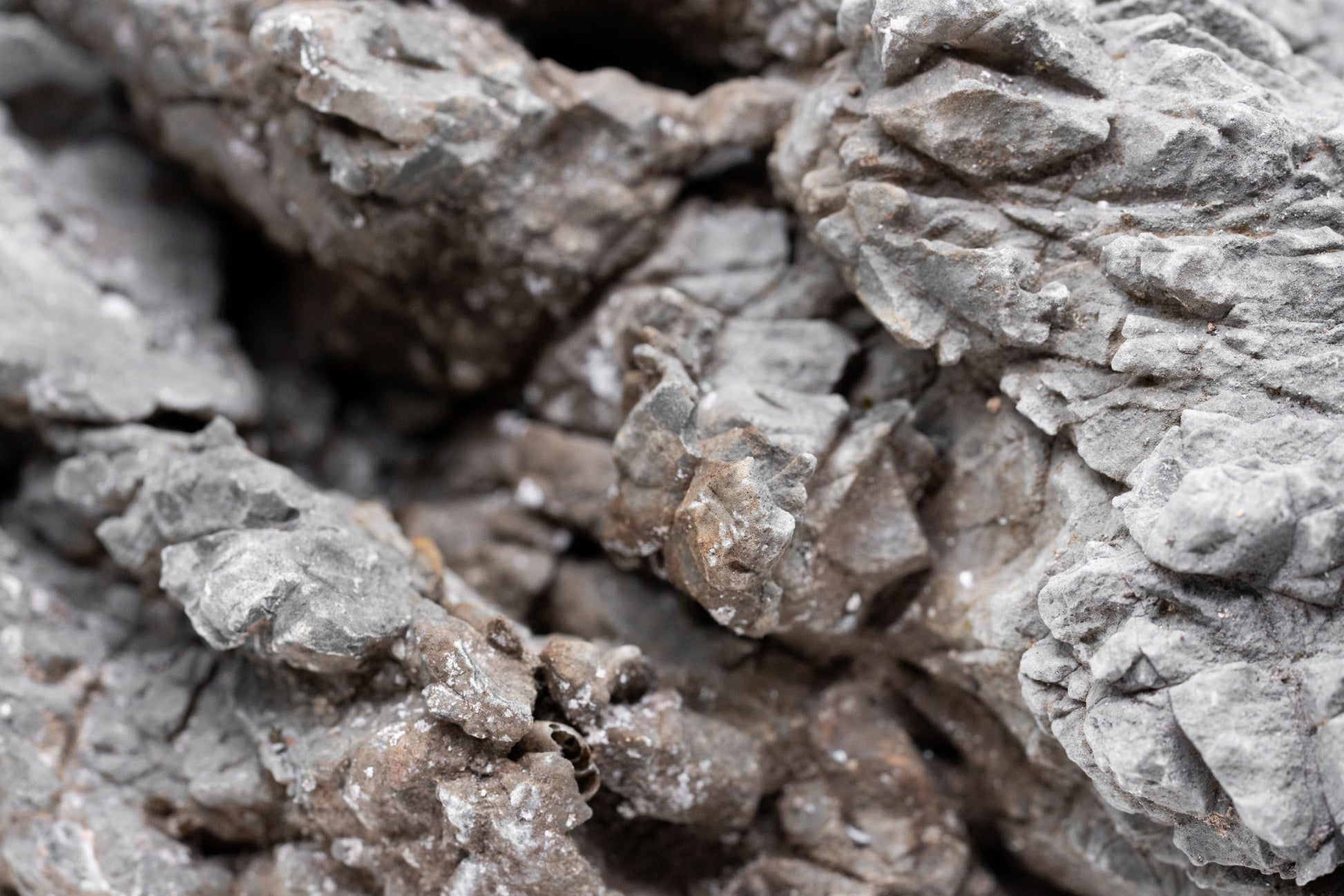
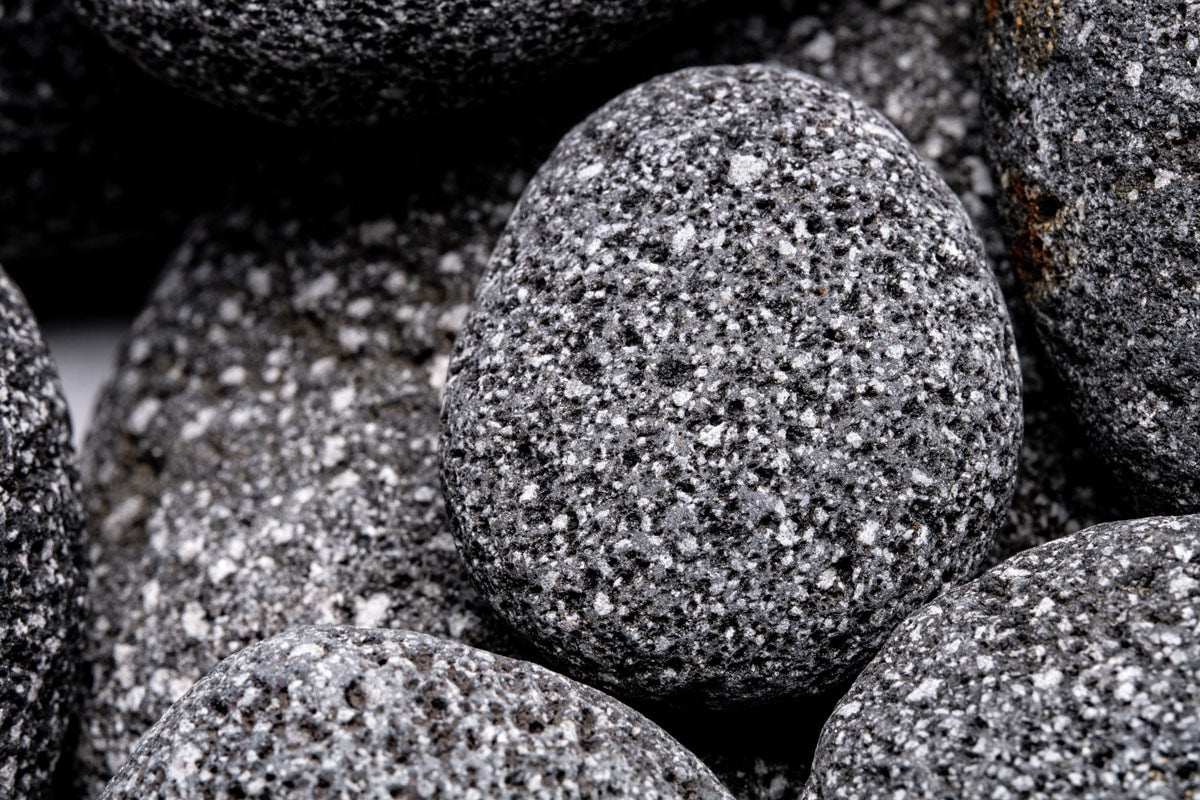
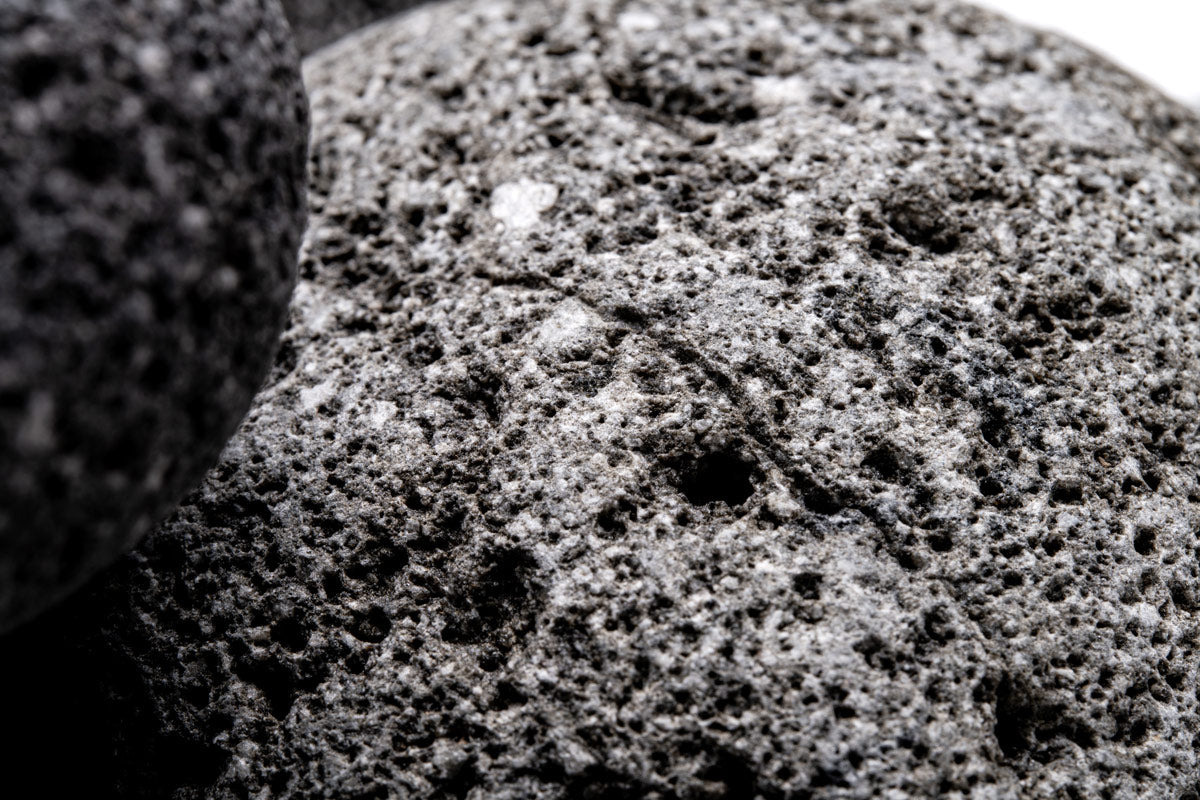
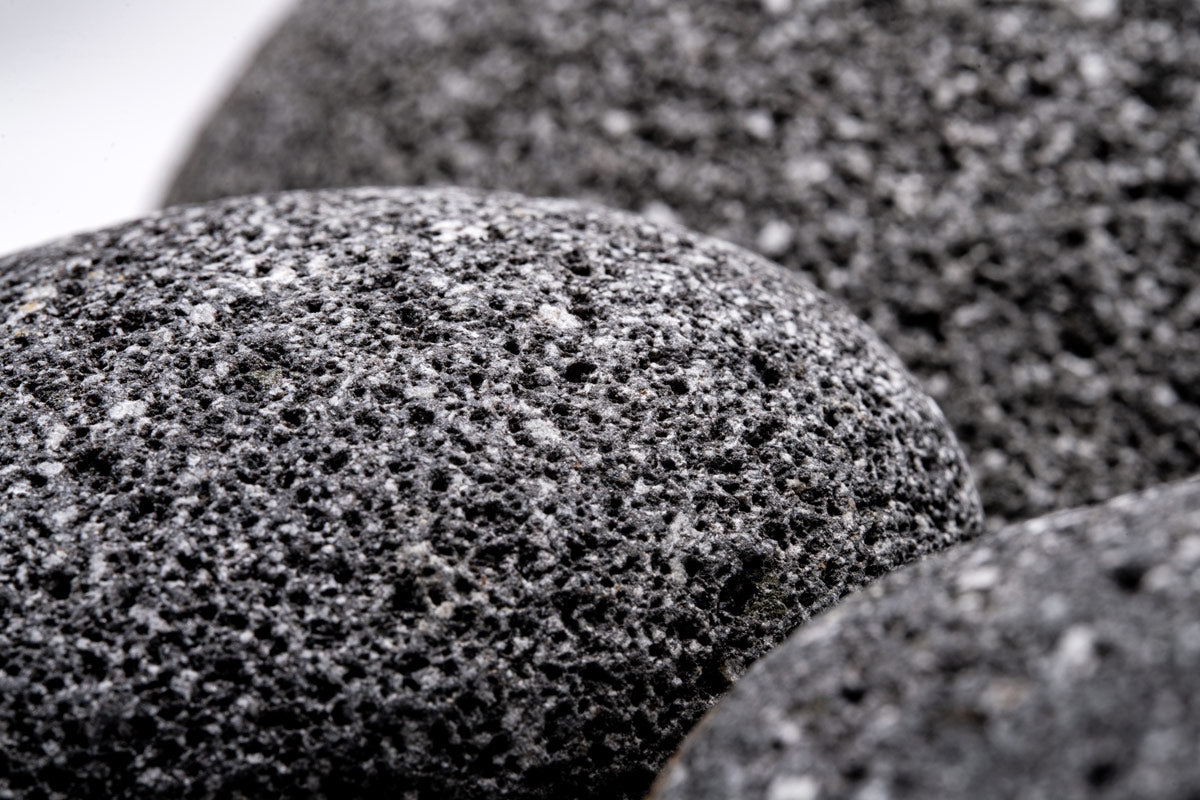
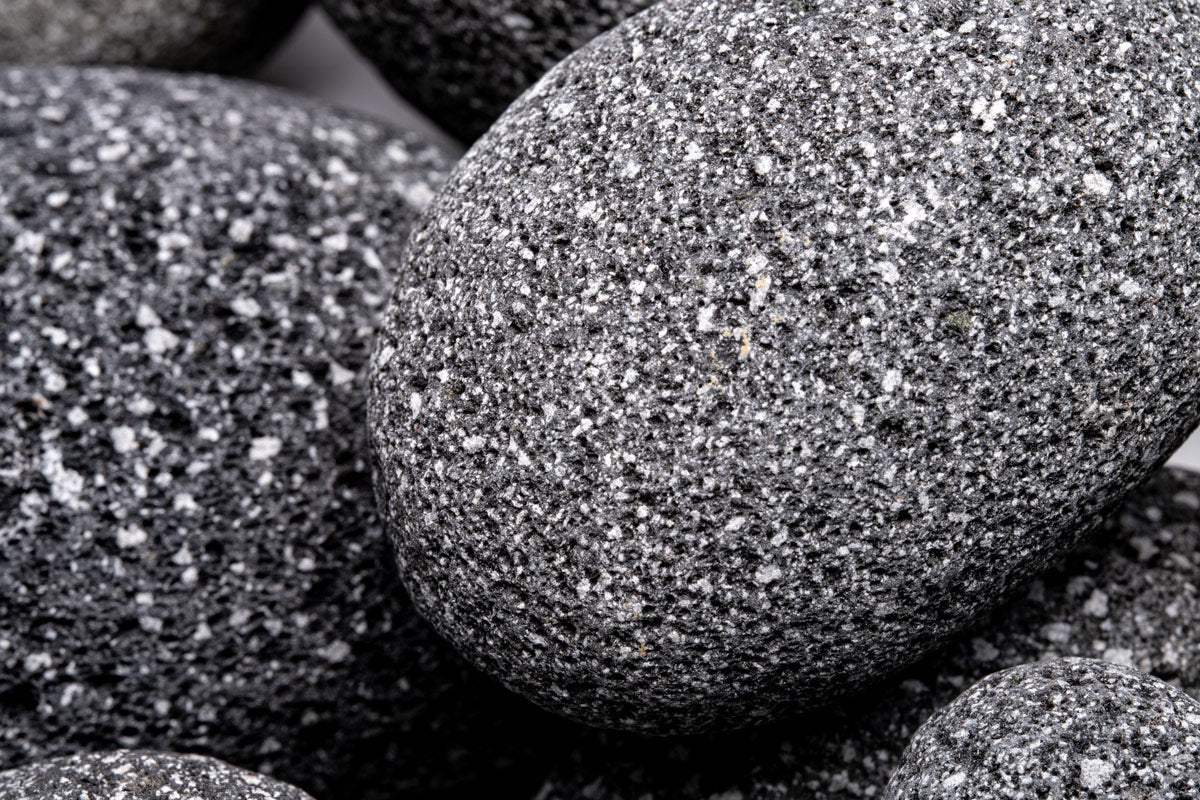
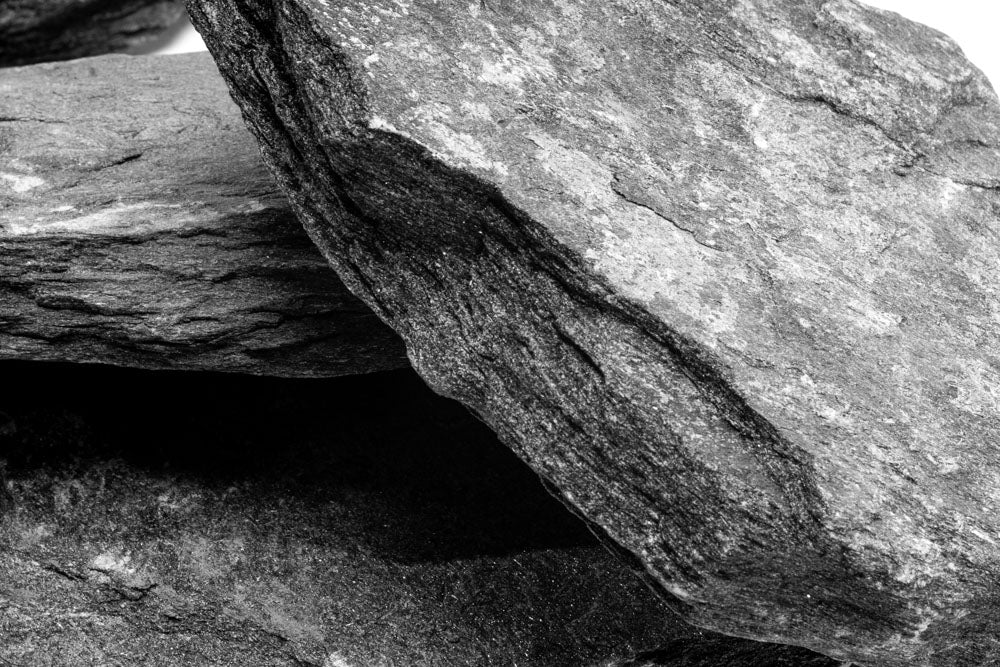
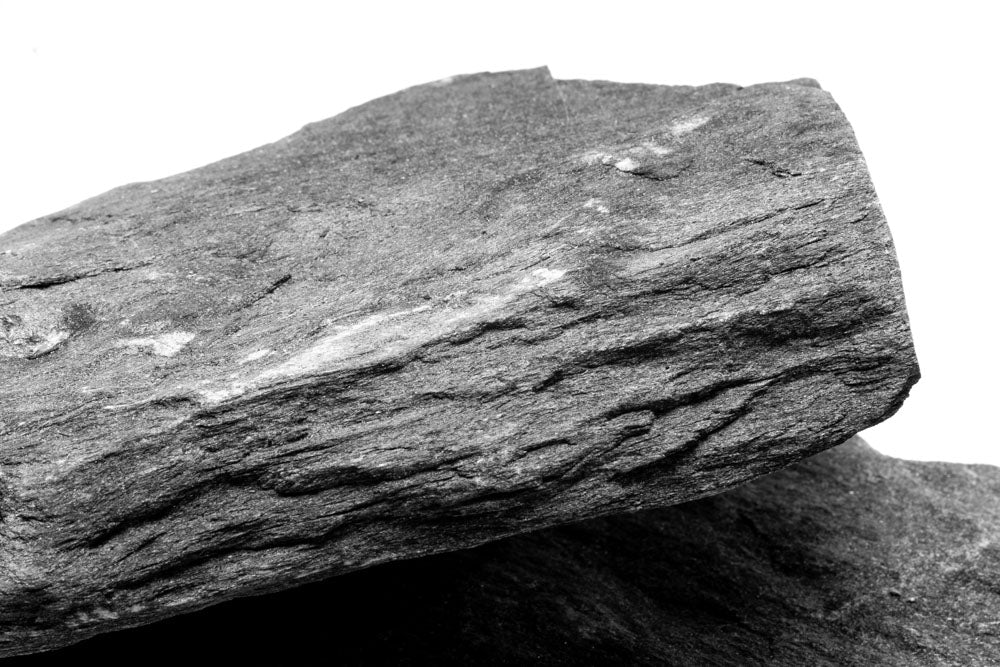
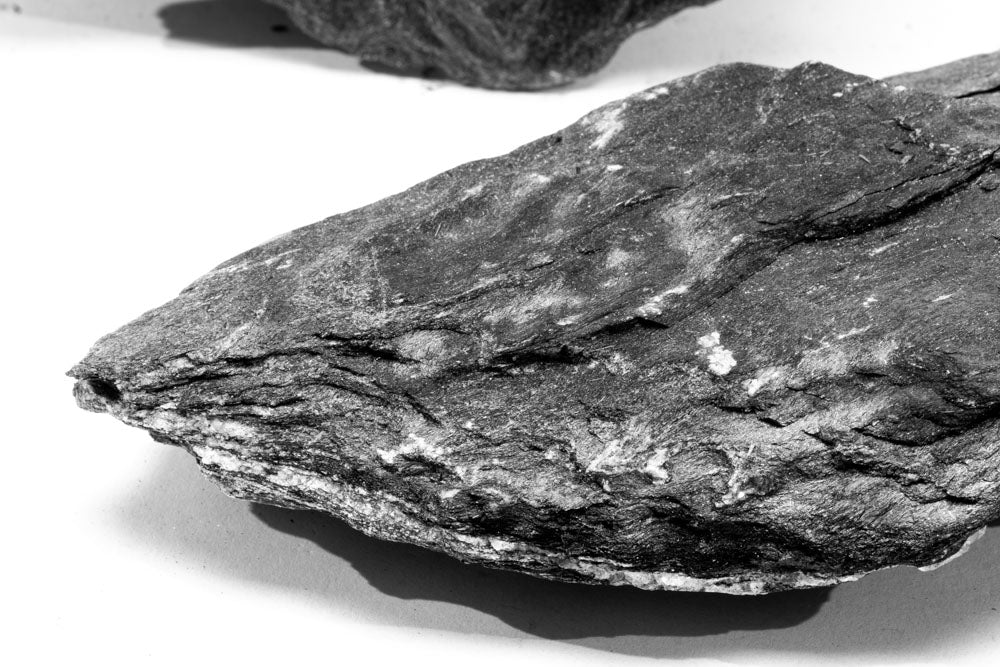
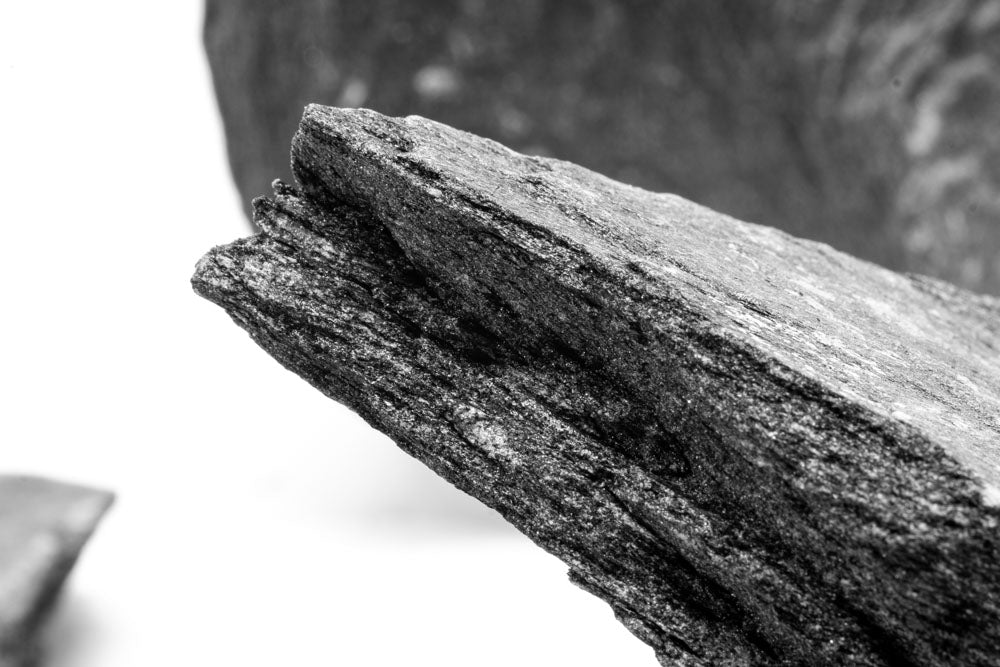
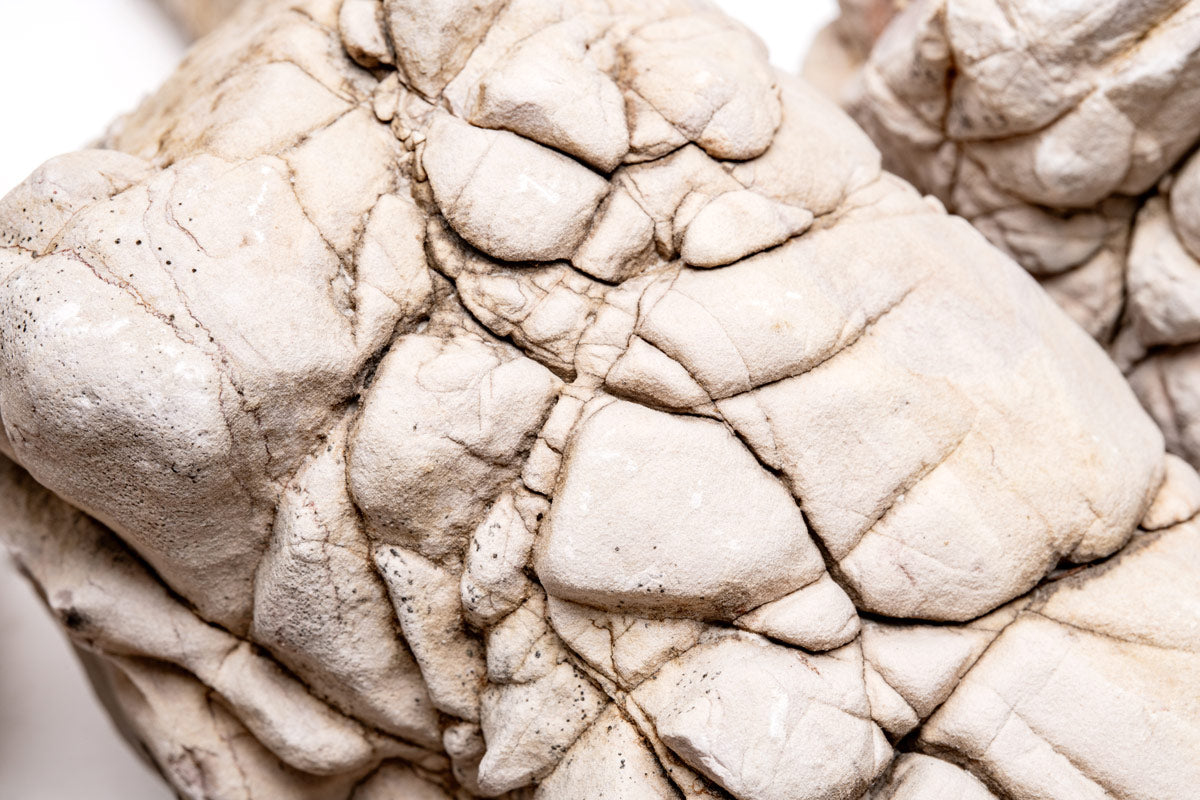
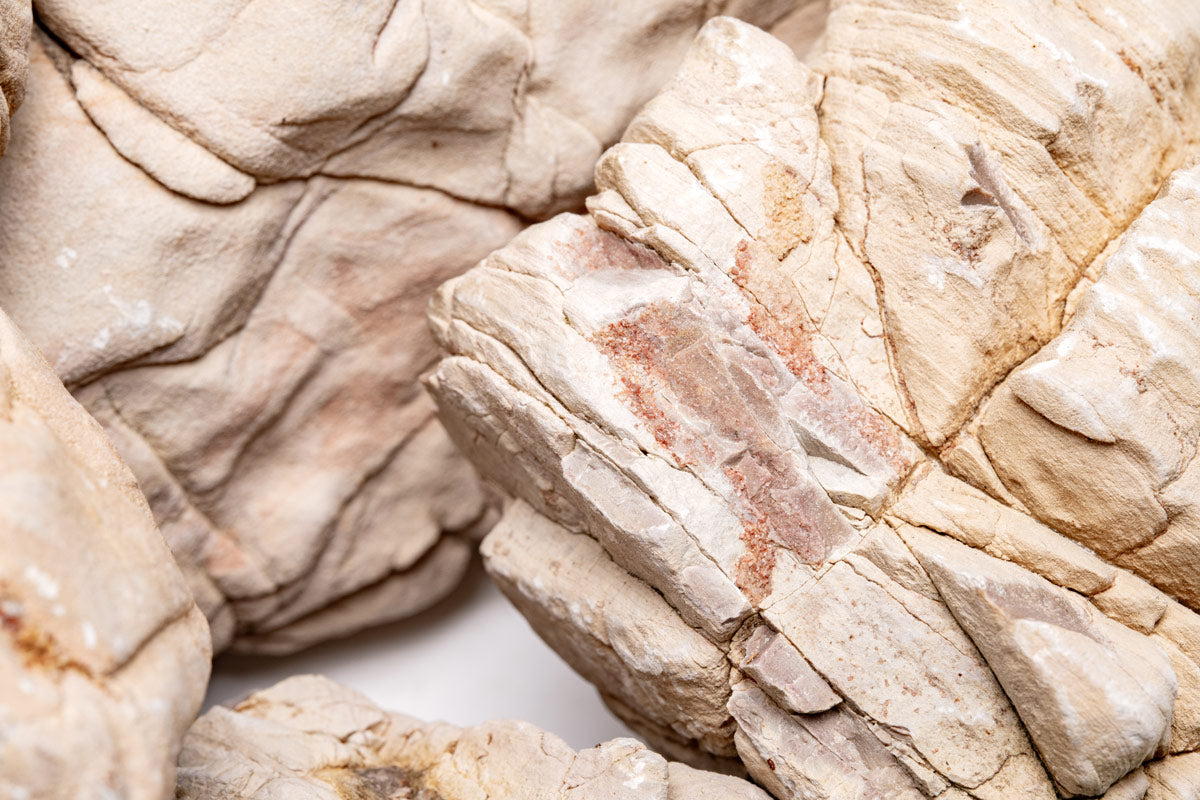
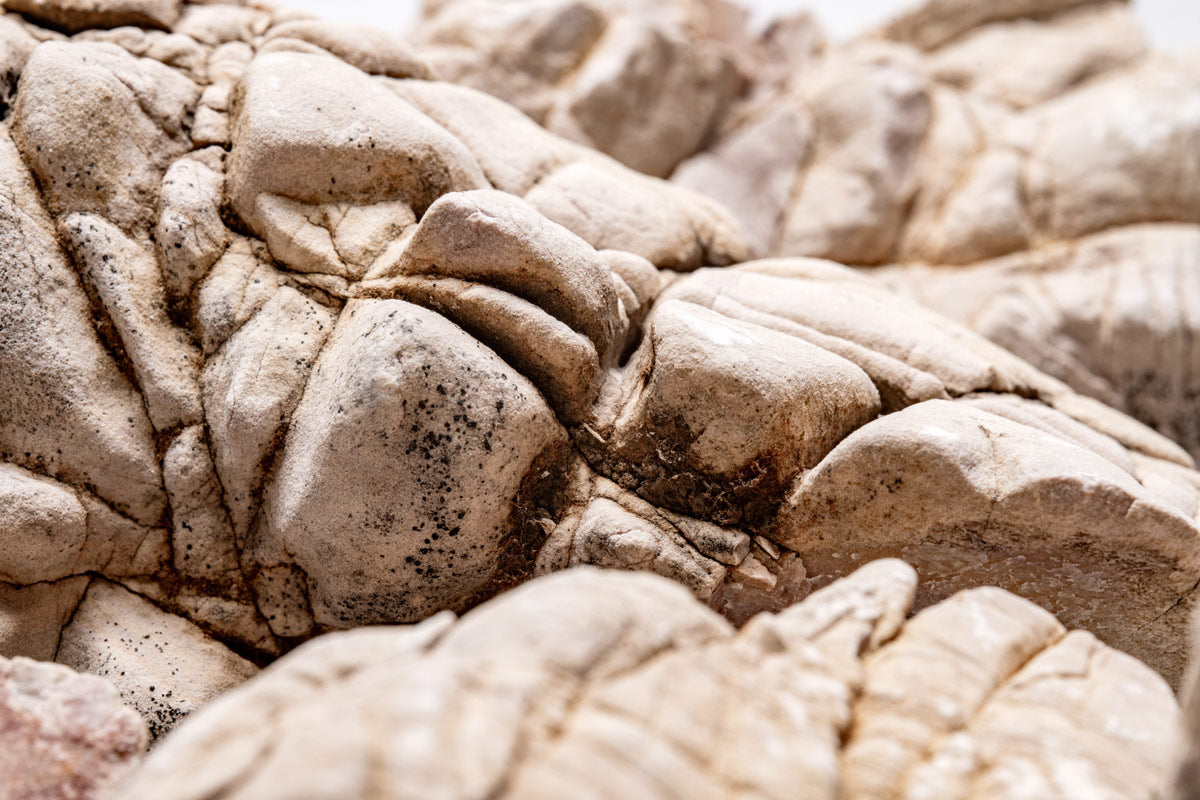
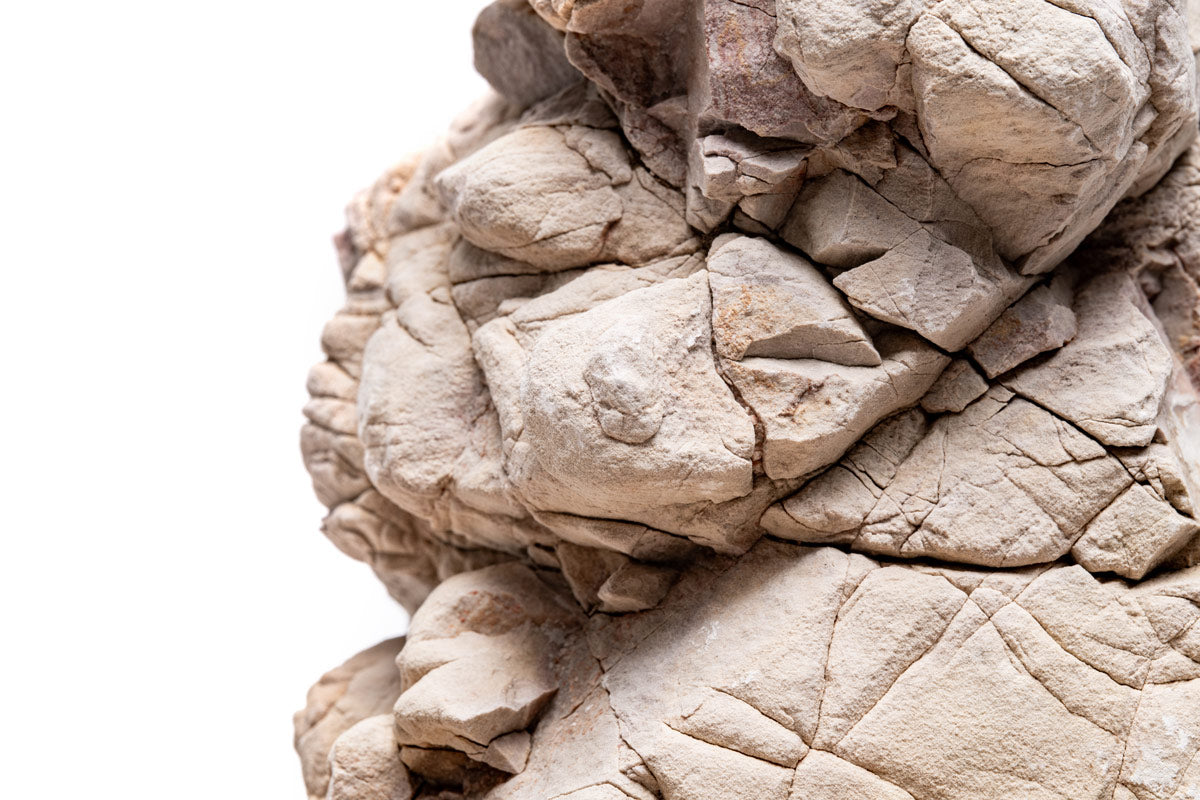


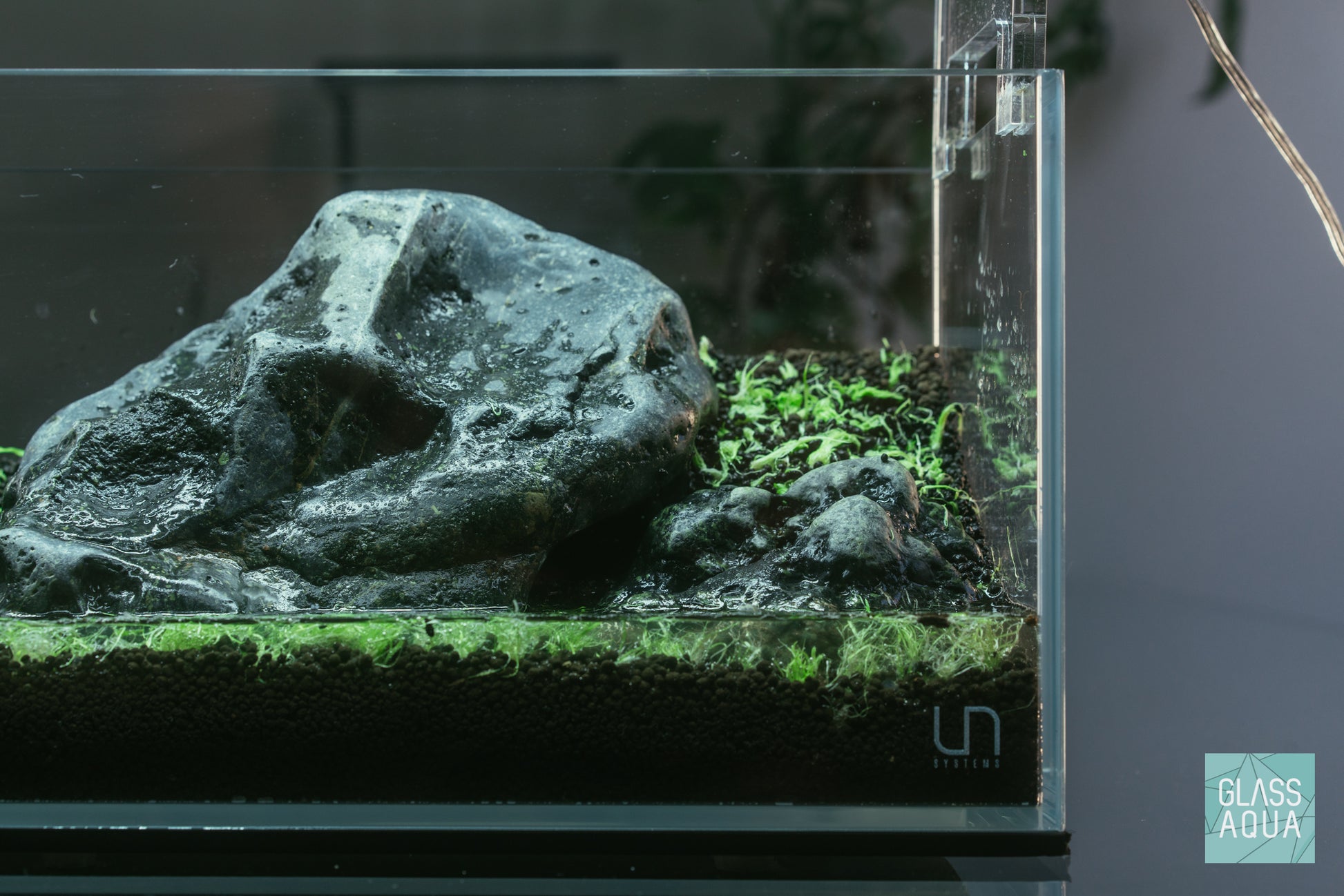
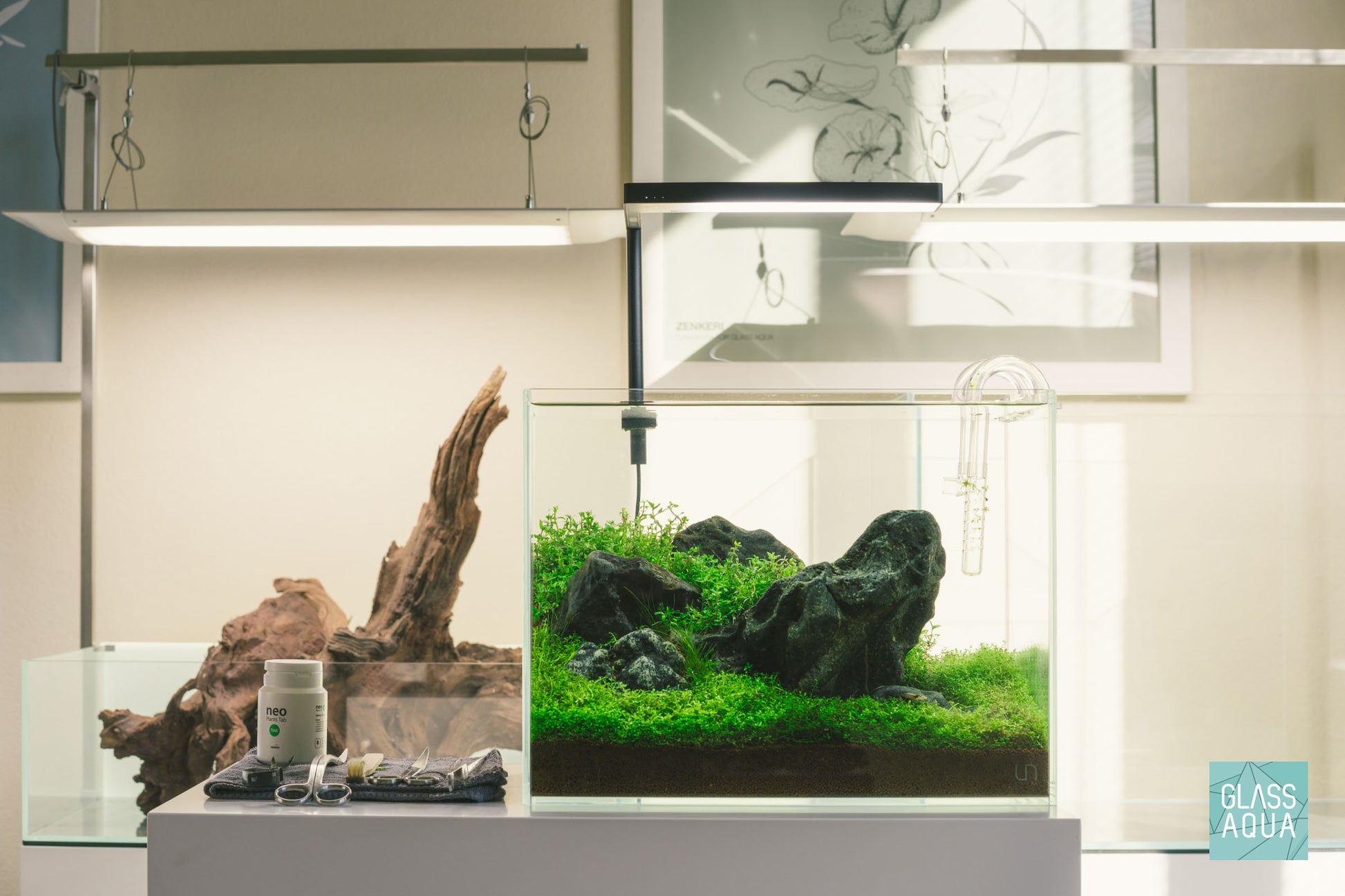
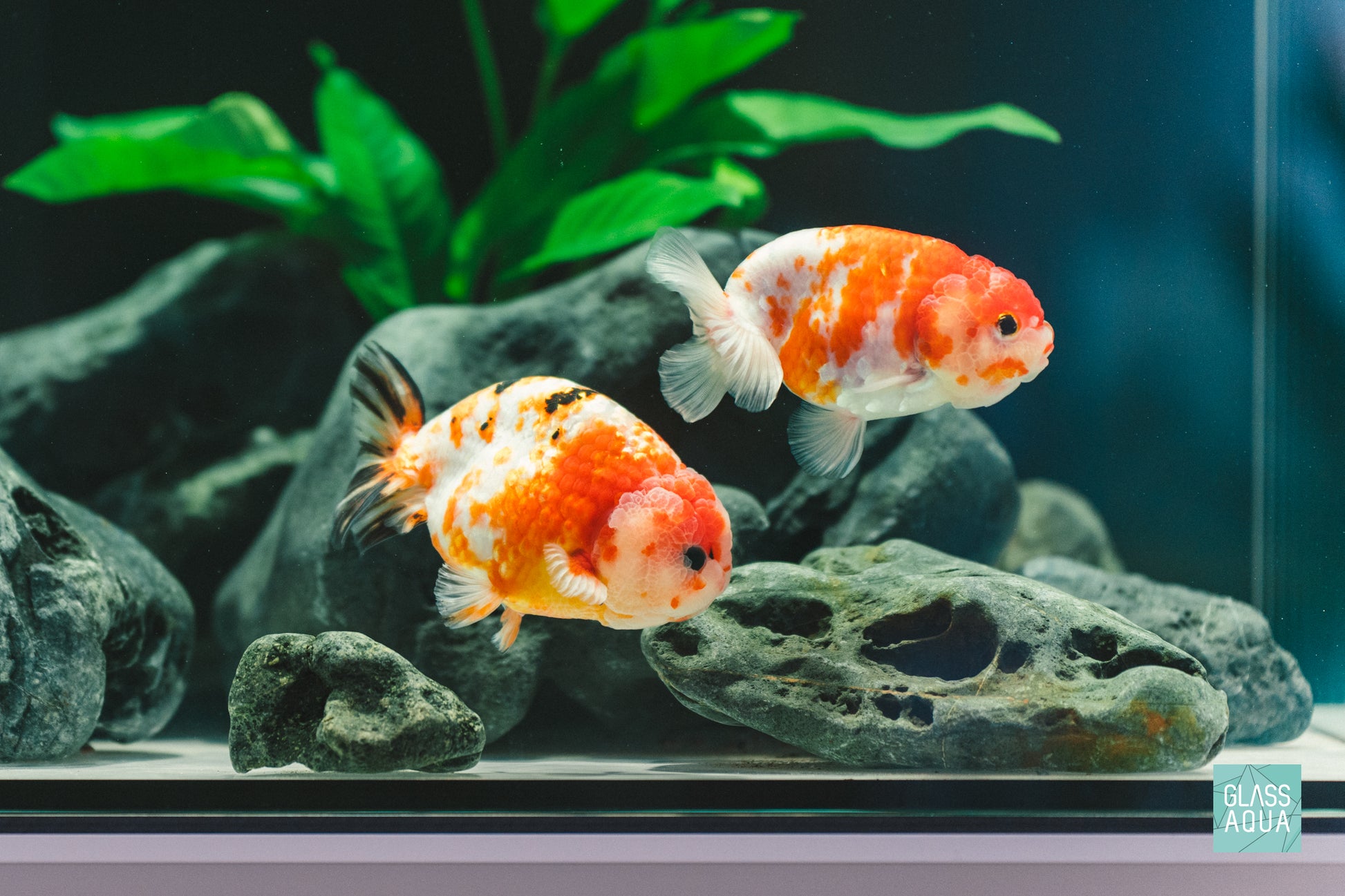

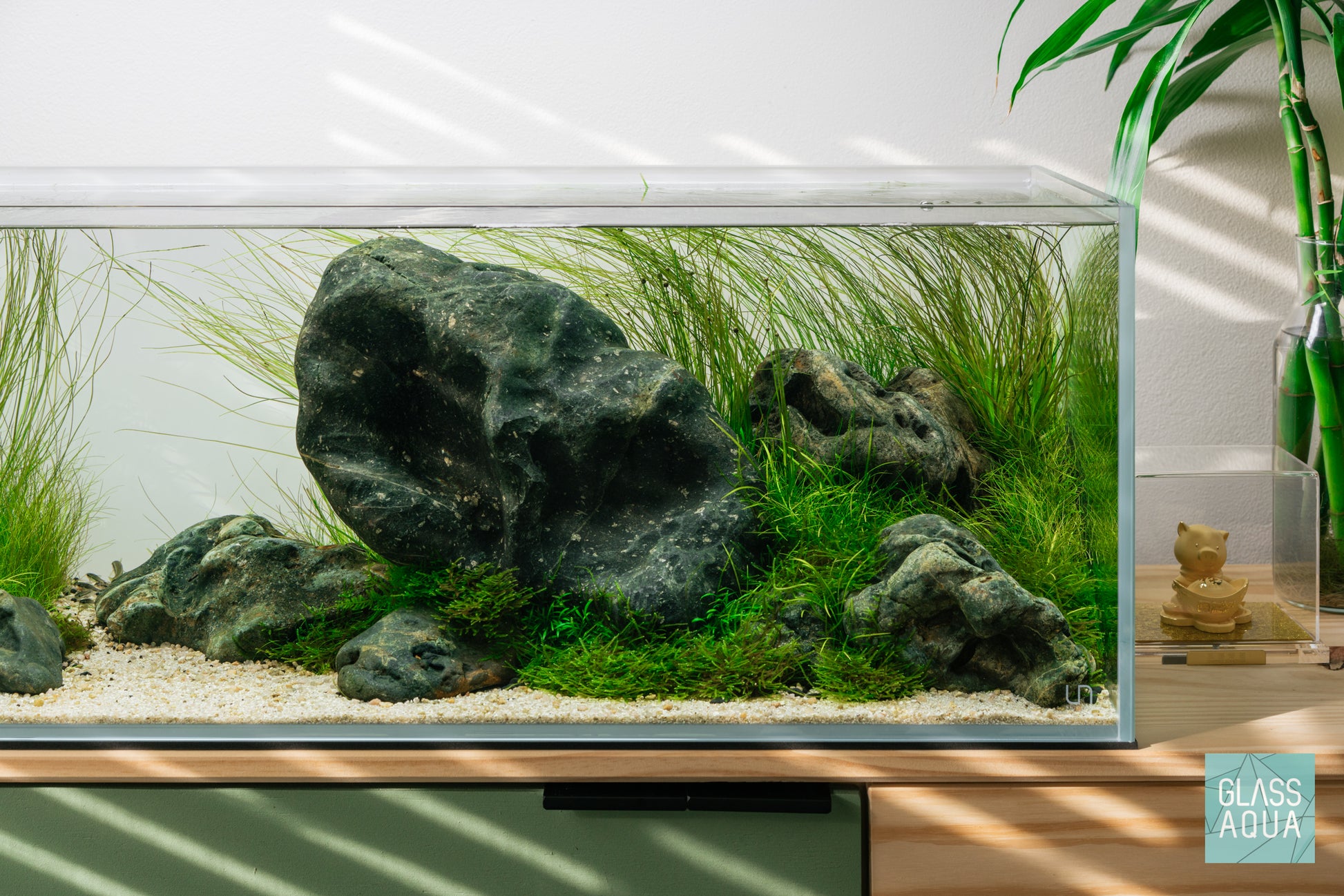


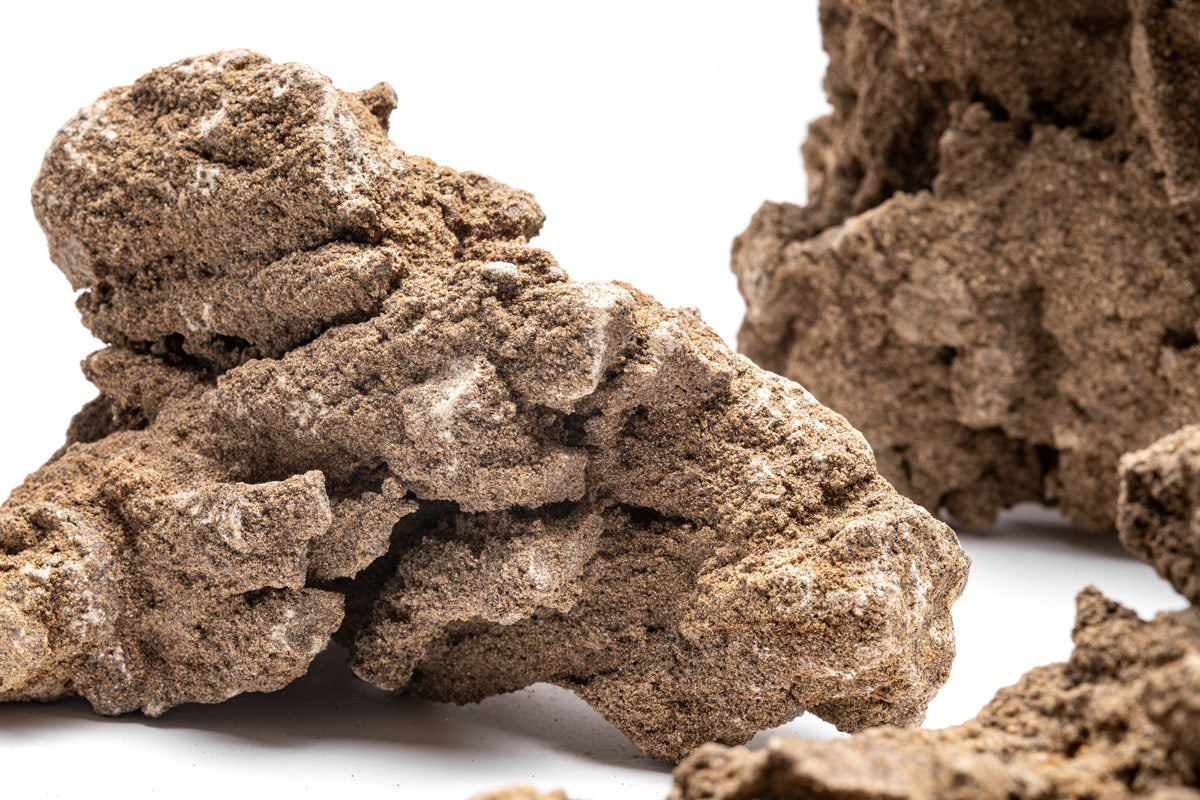
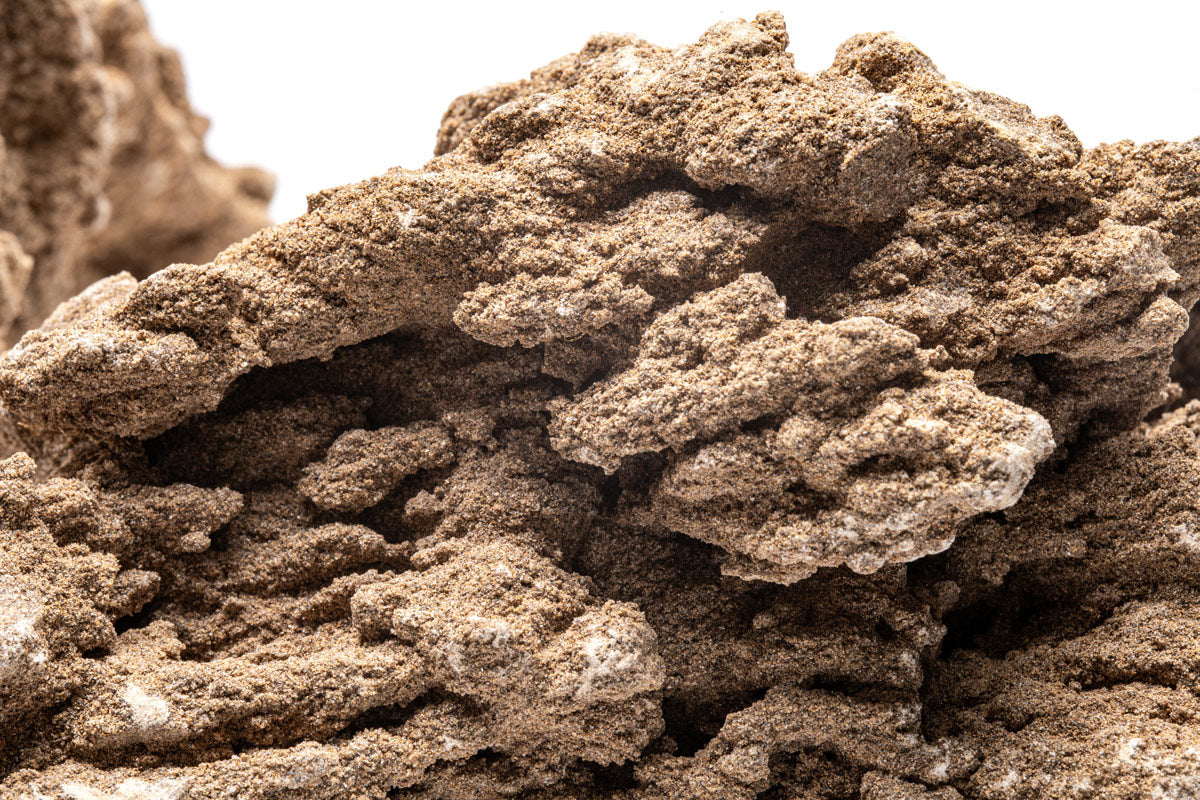
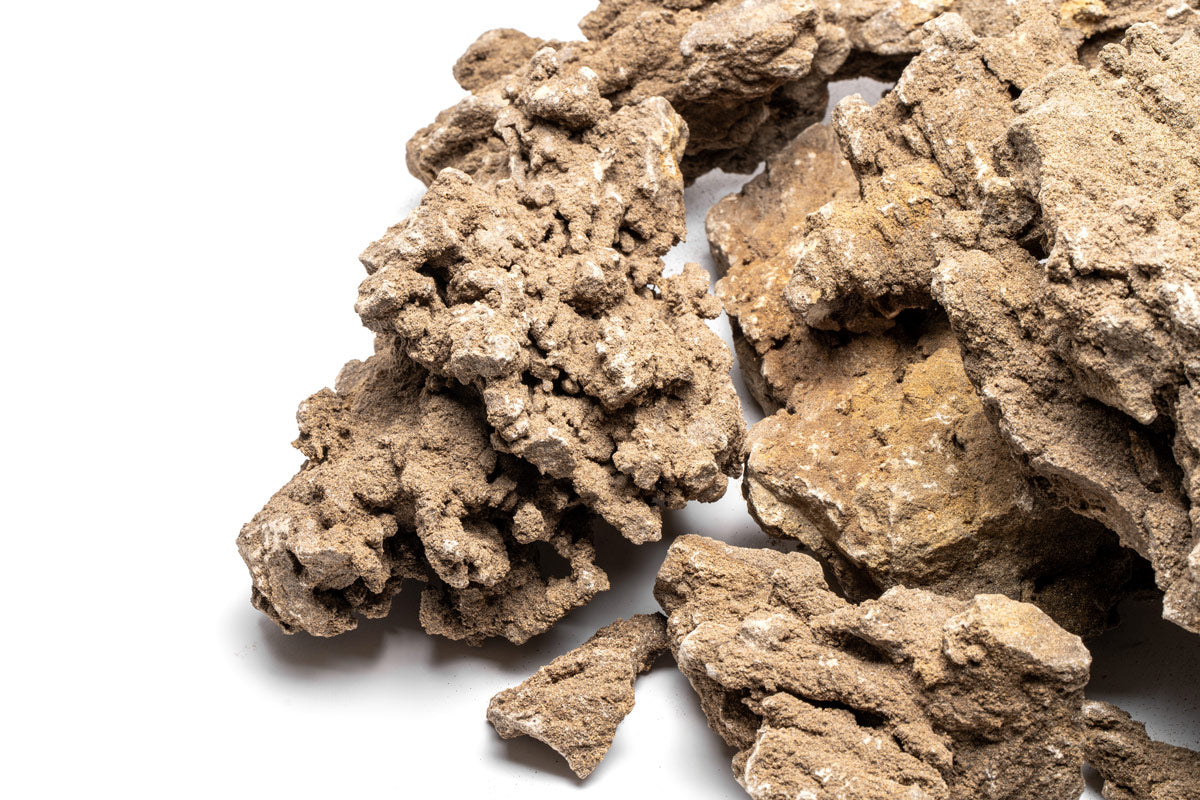


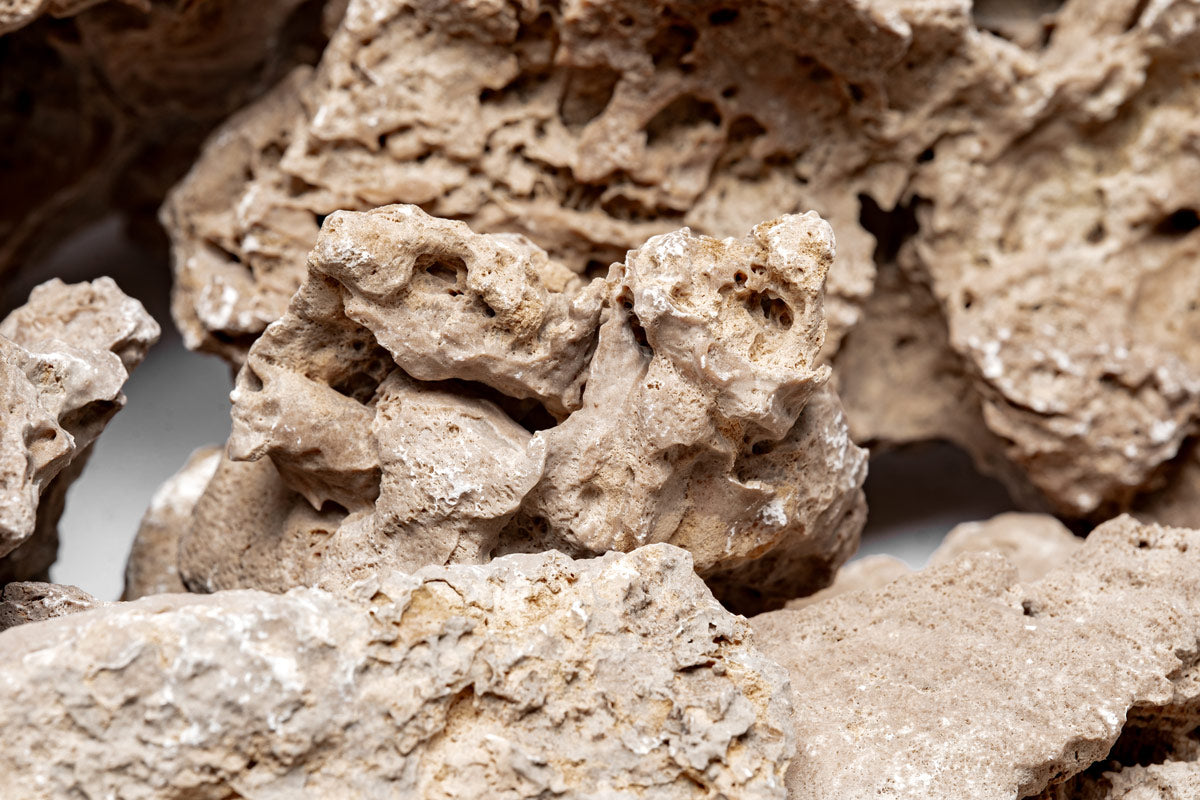
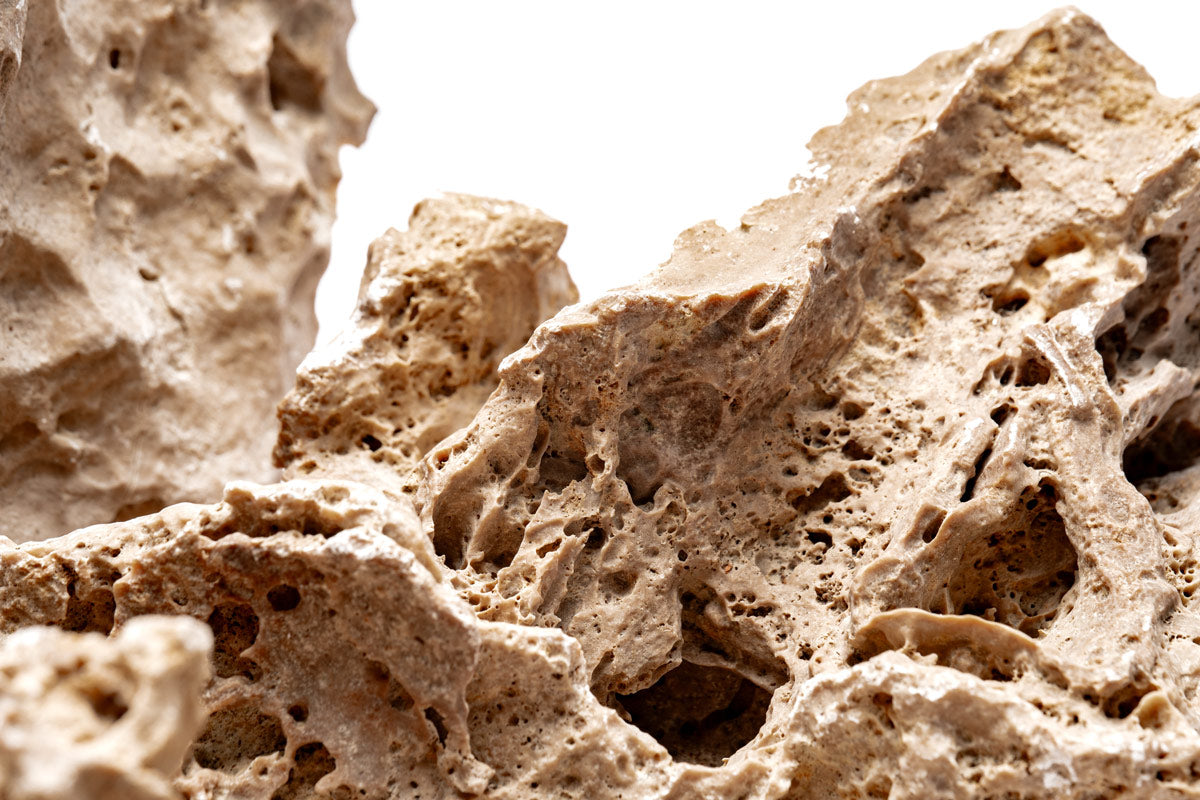
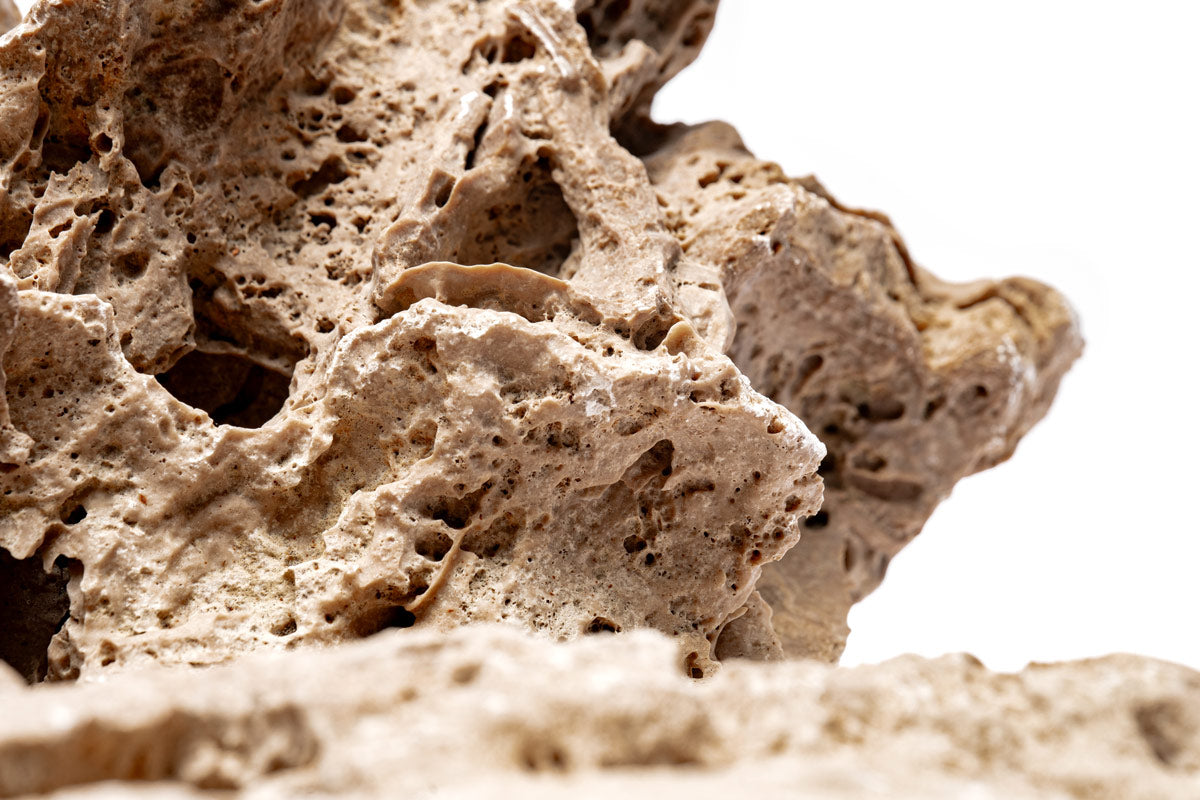
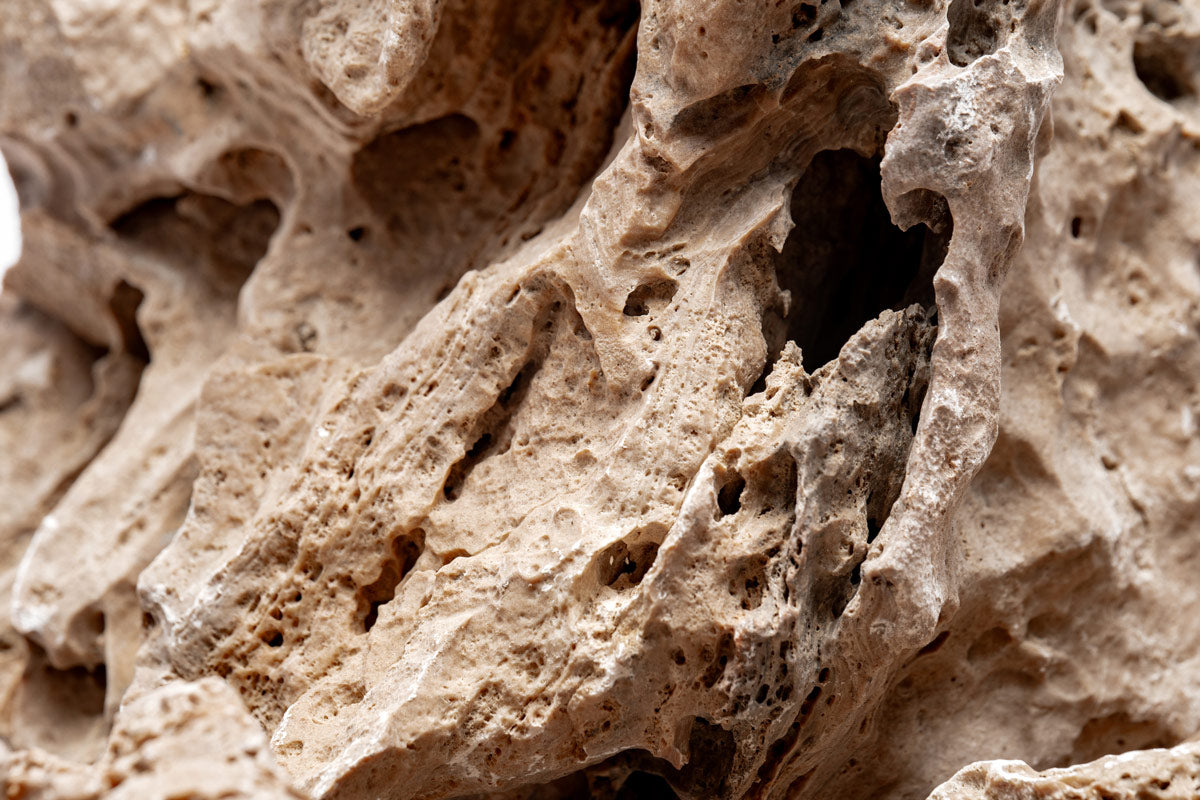
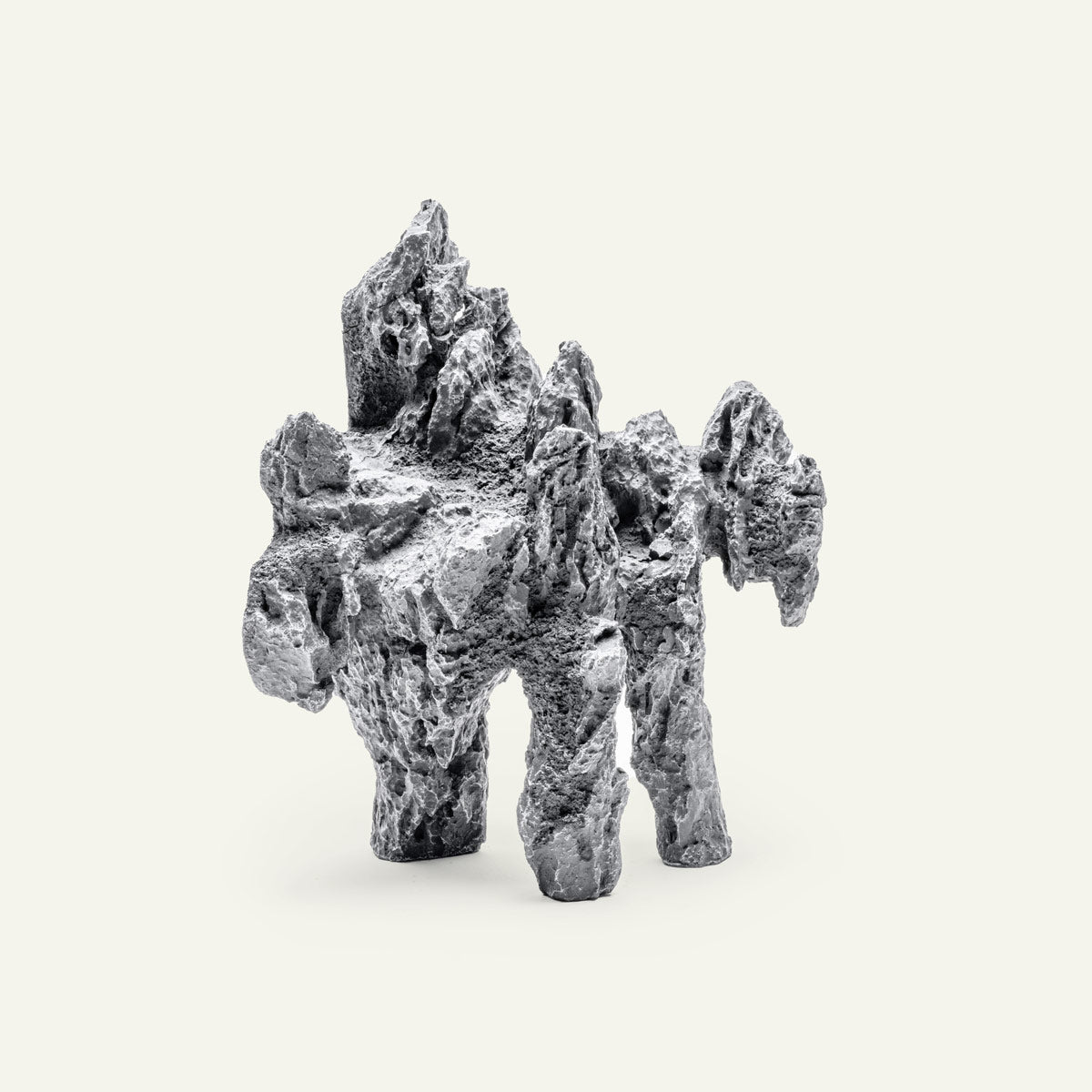
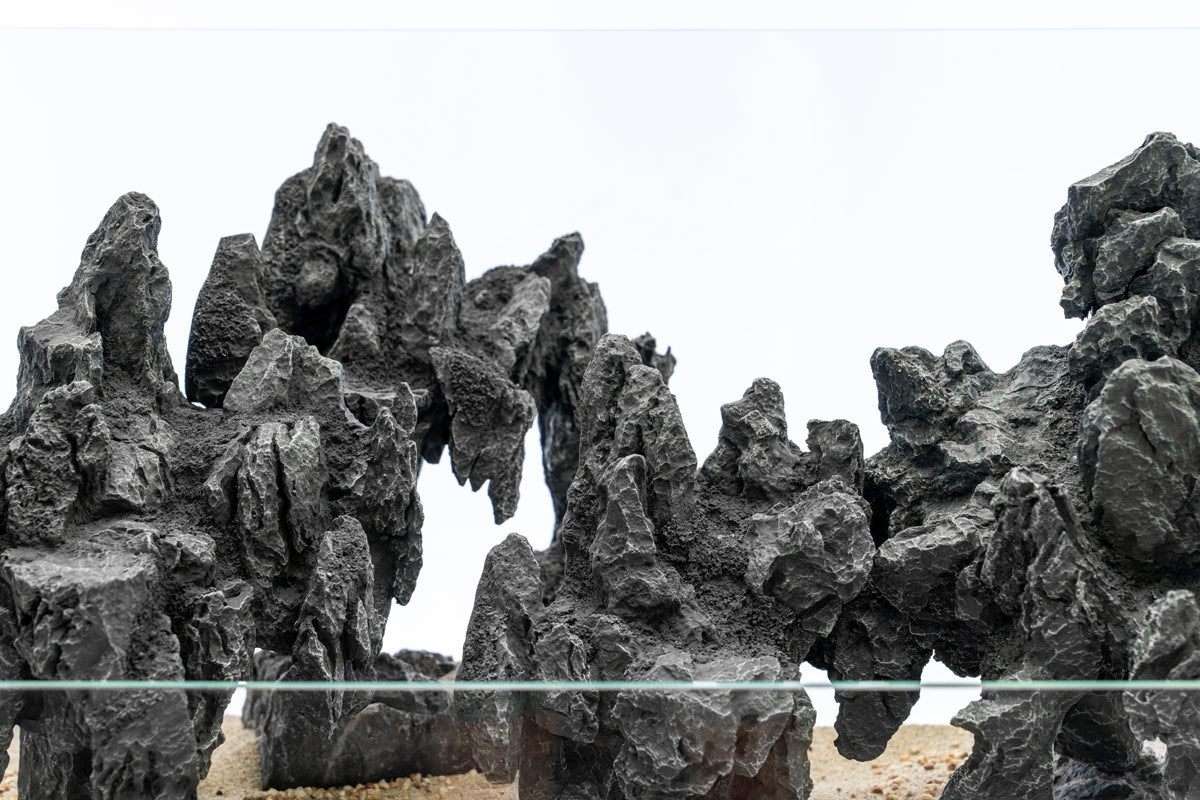
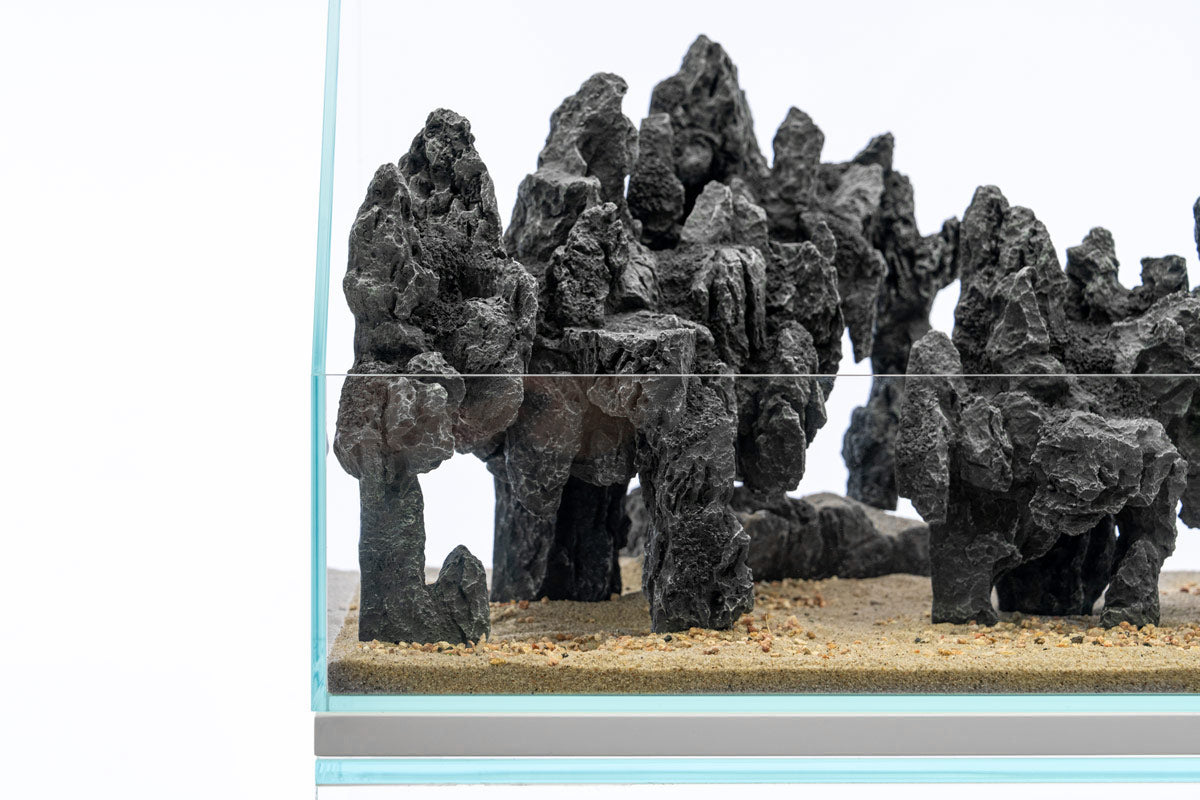
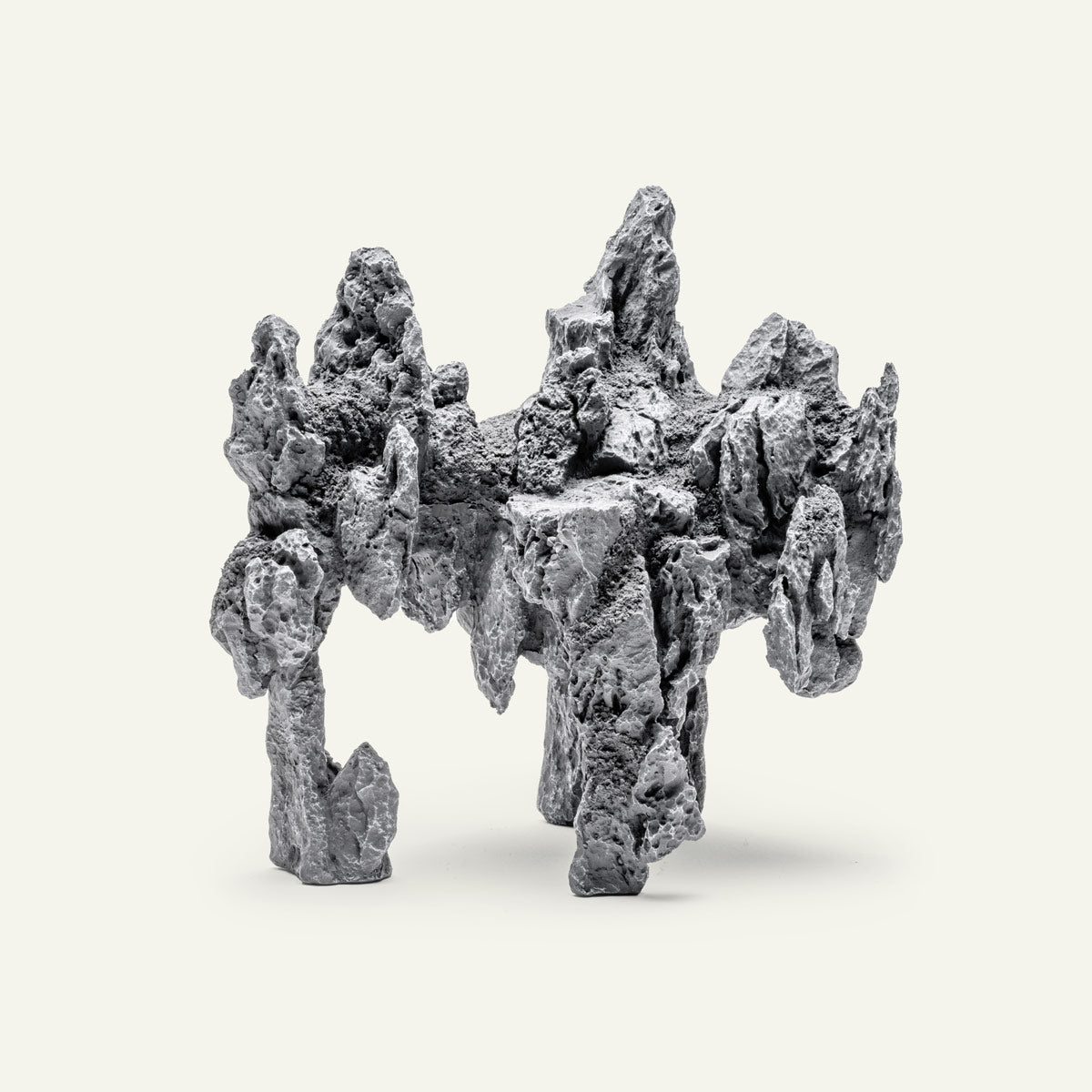
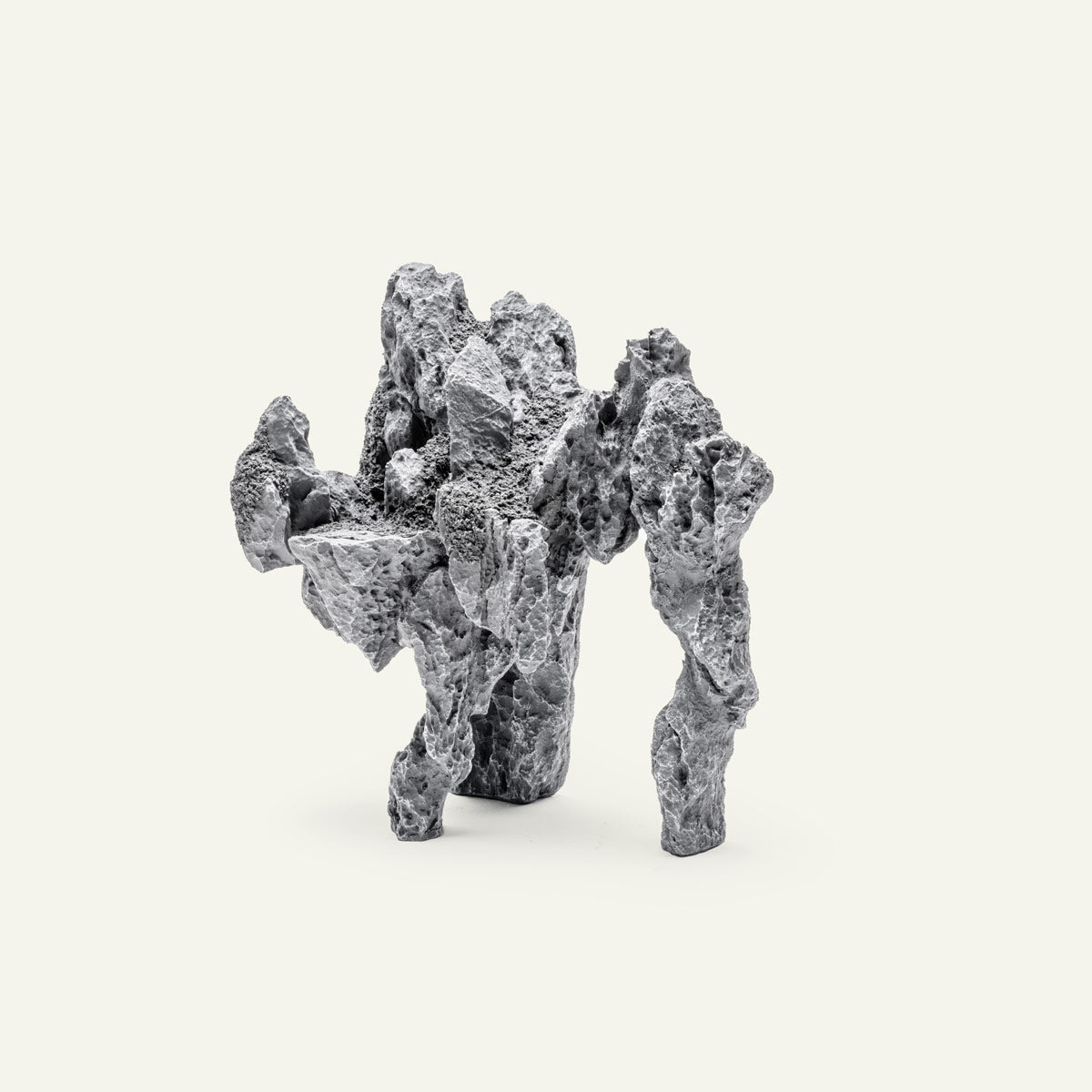
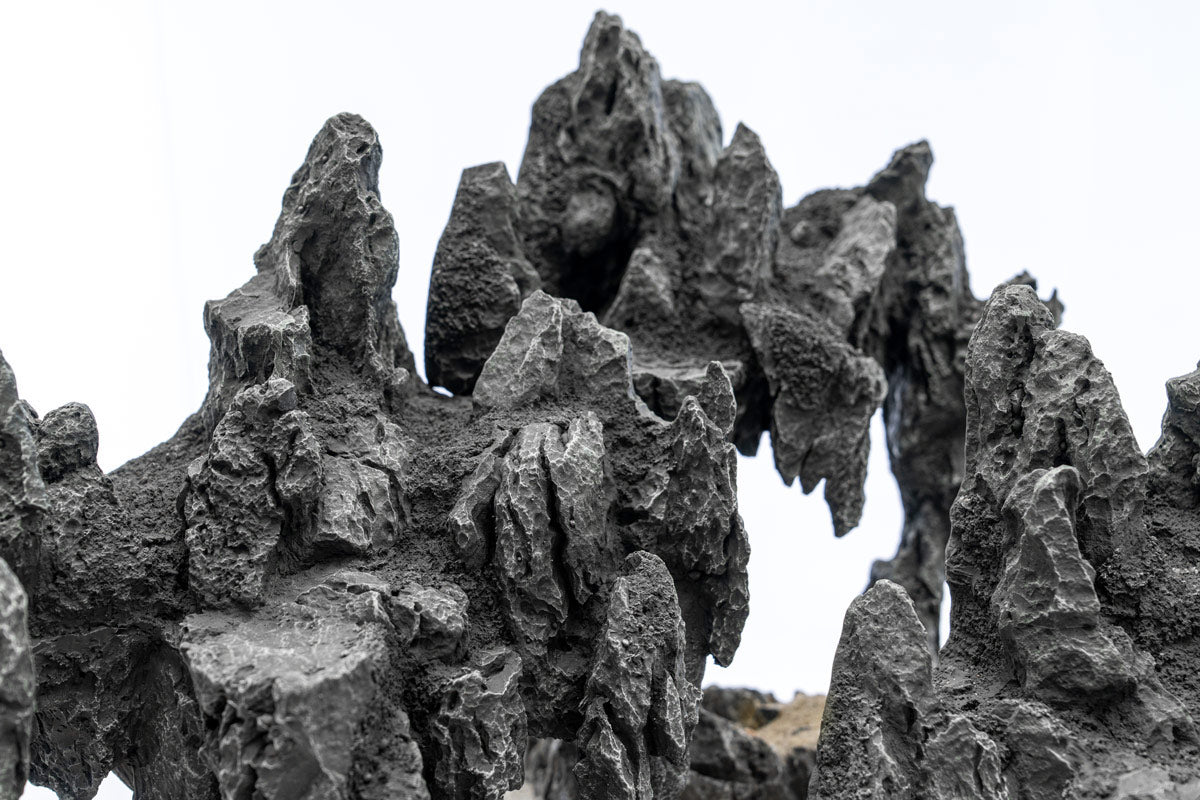
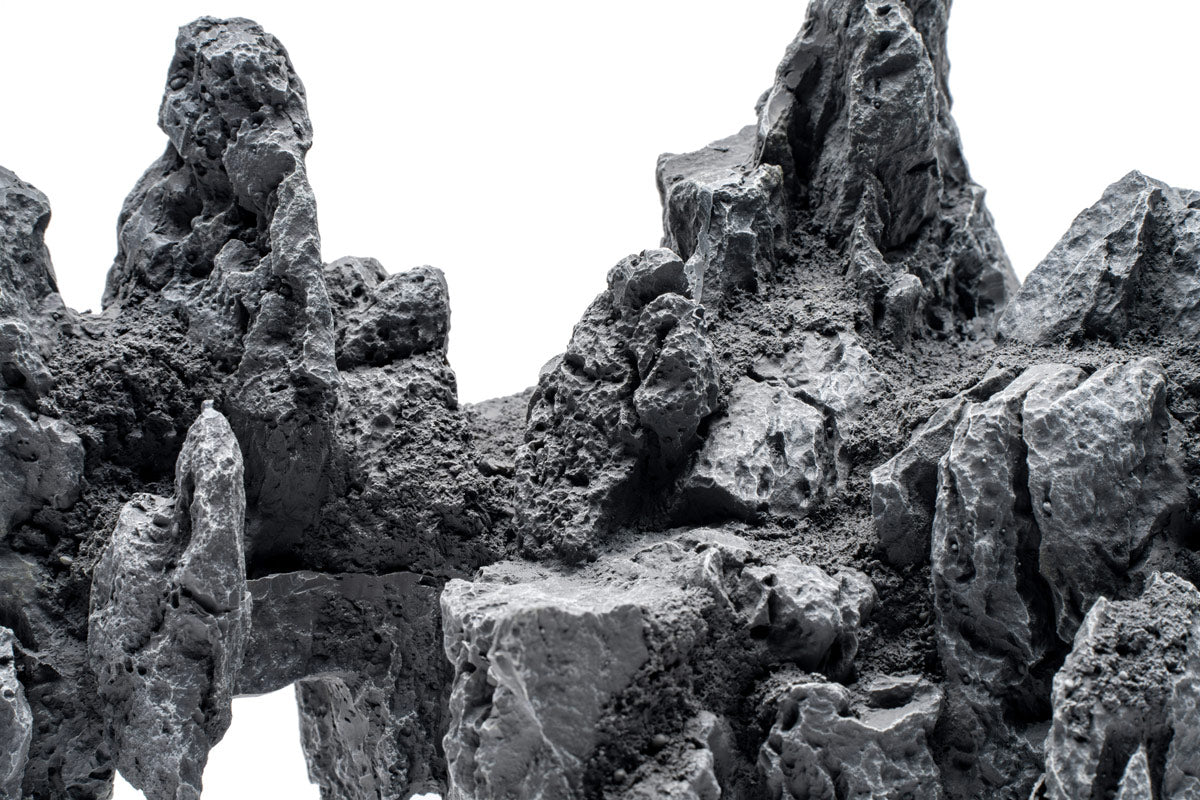
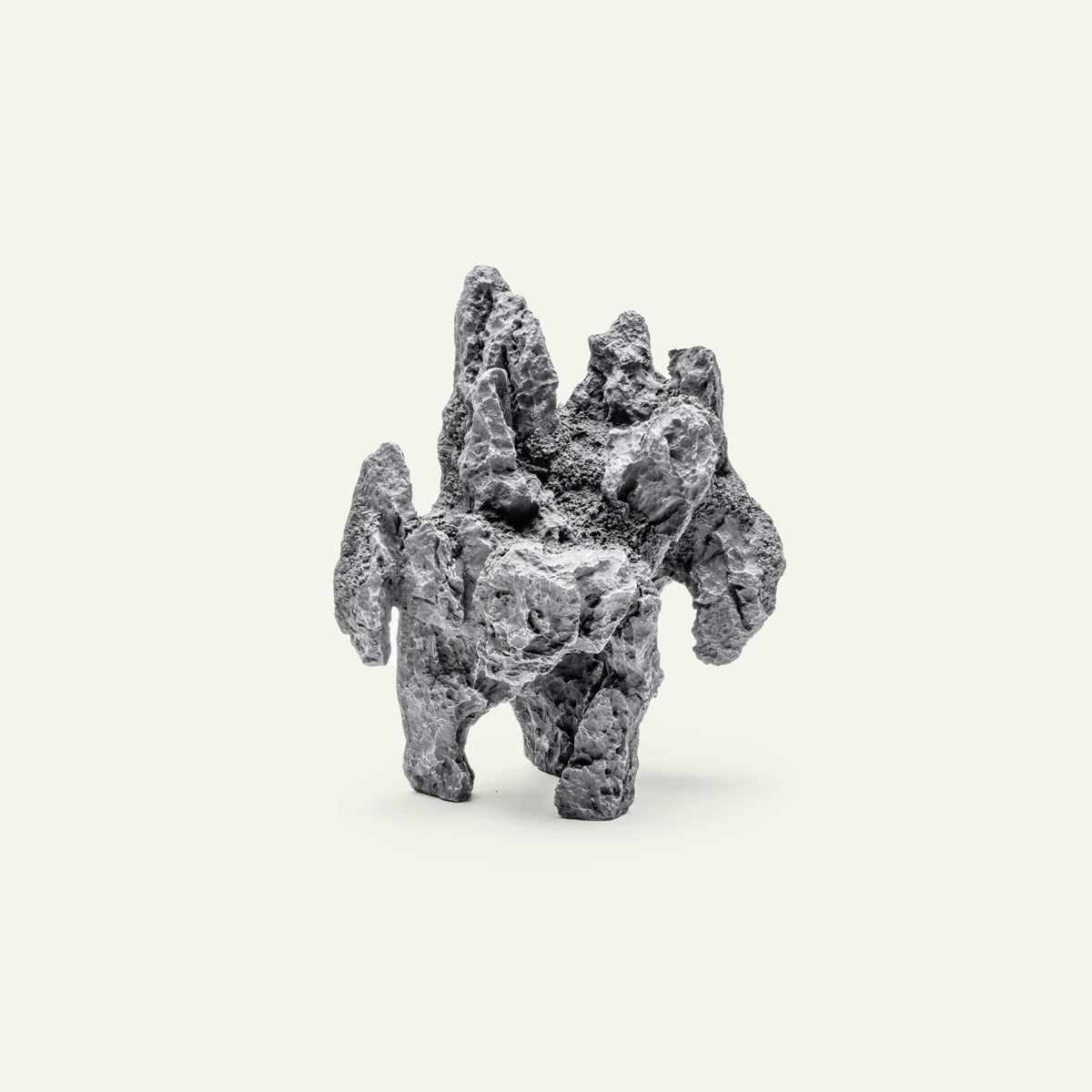
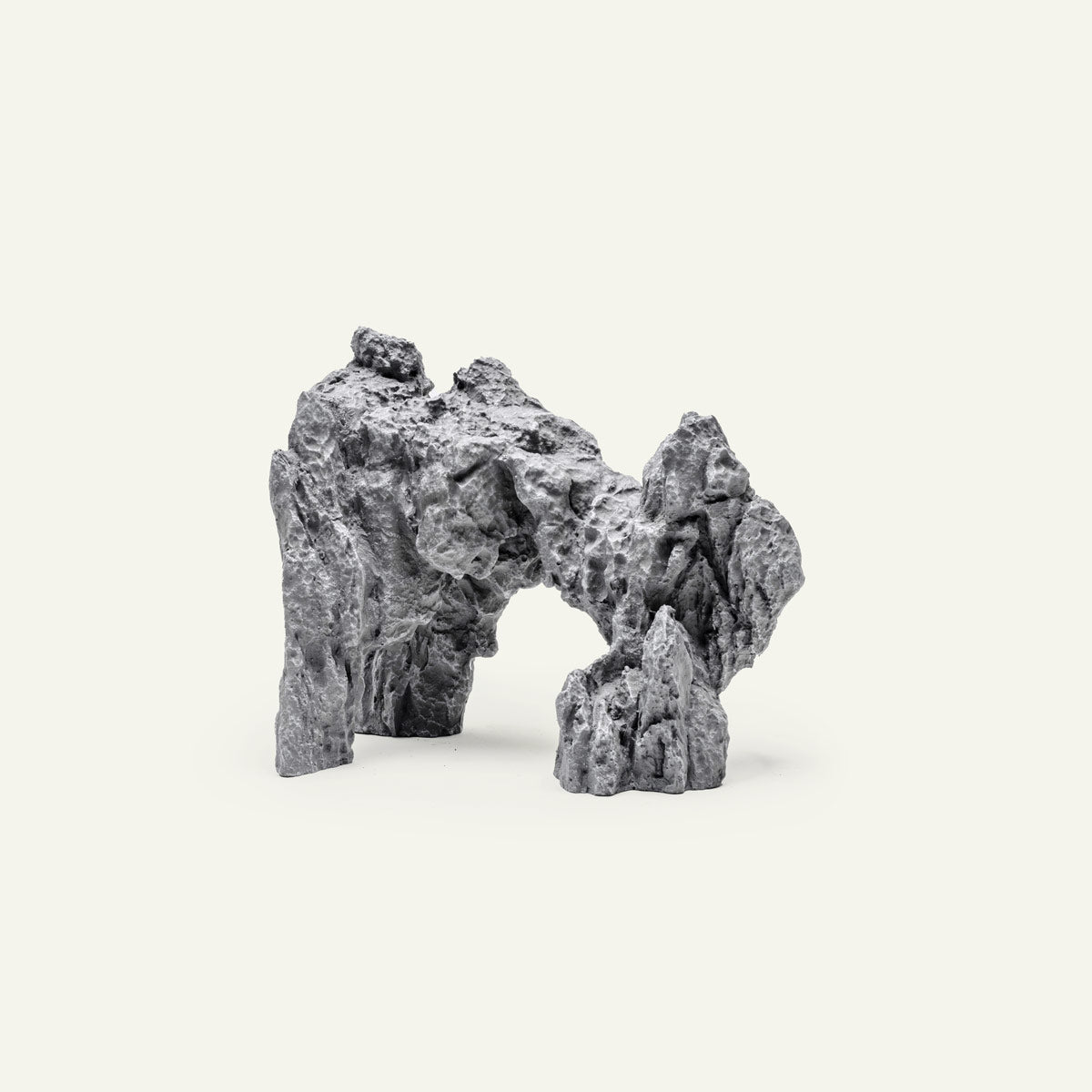
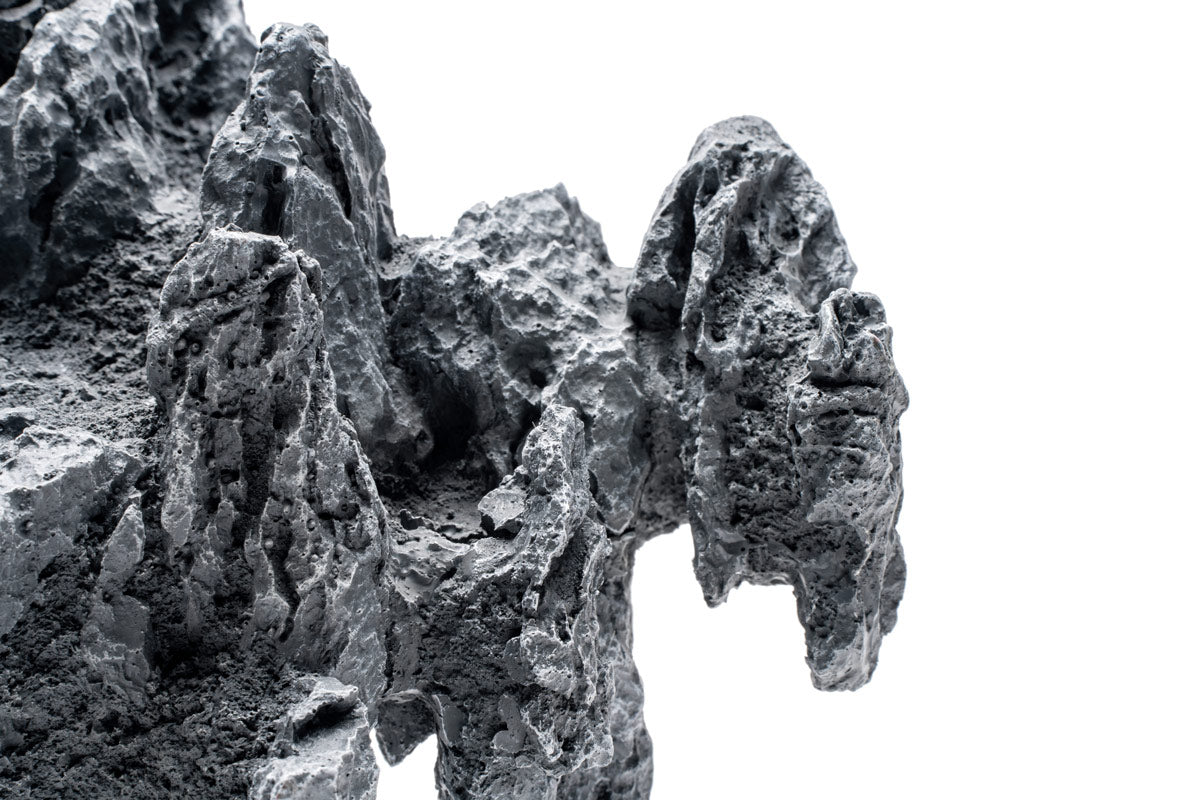


The Bones of an Aquascape: Stone
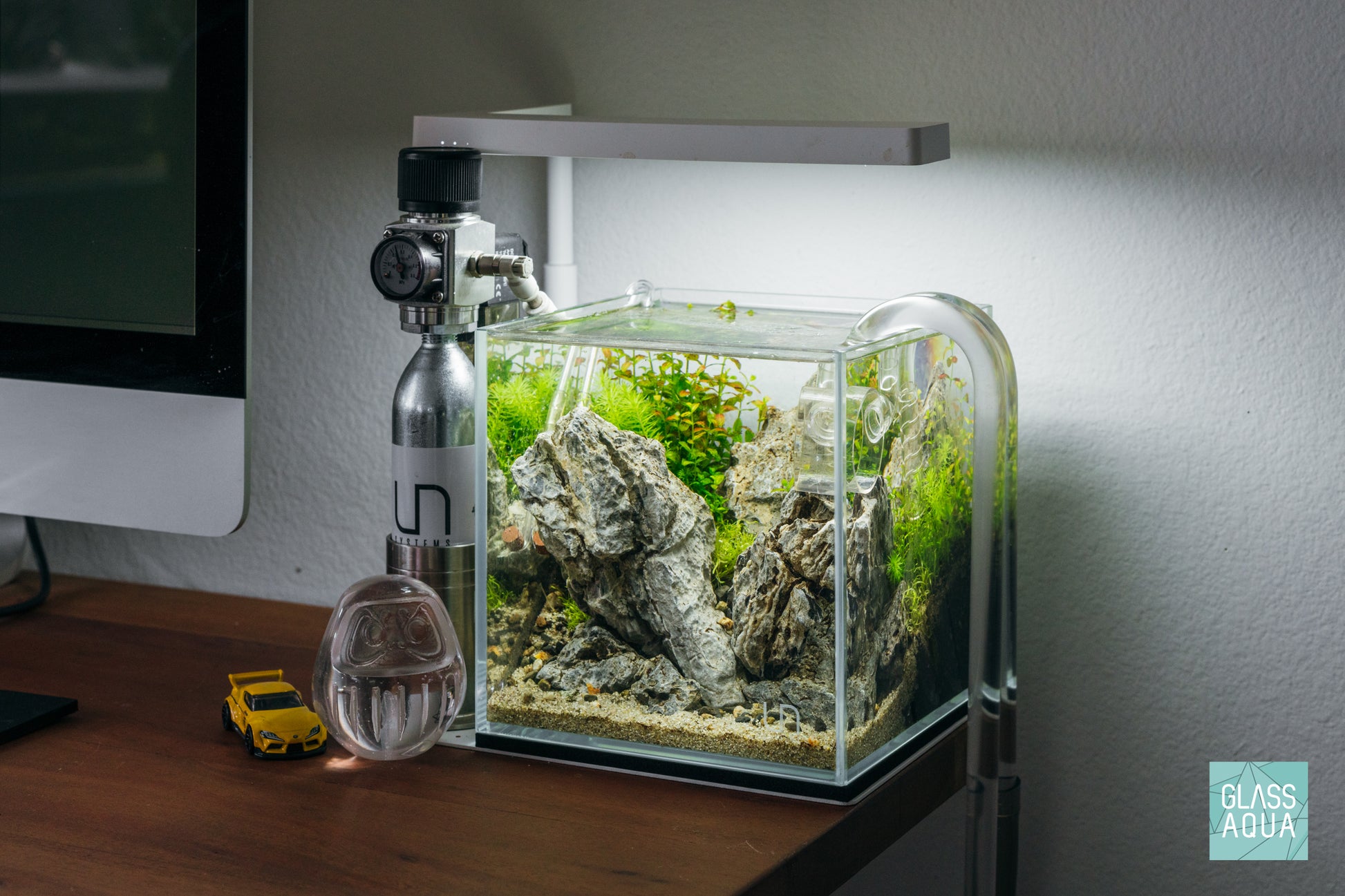
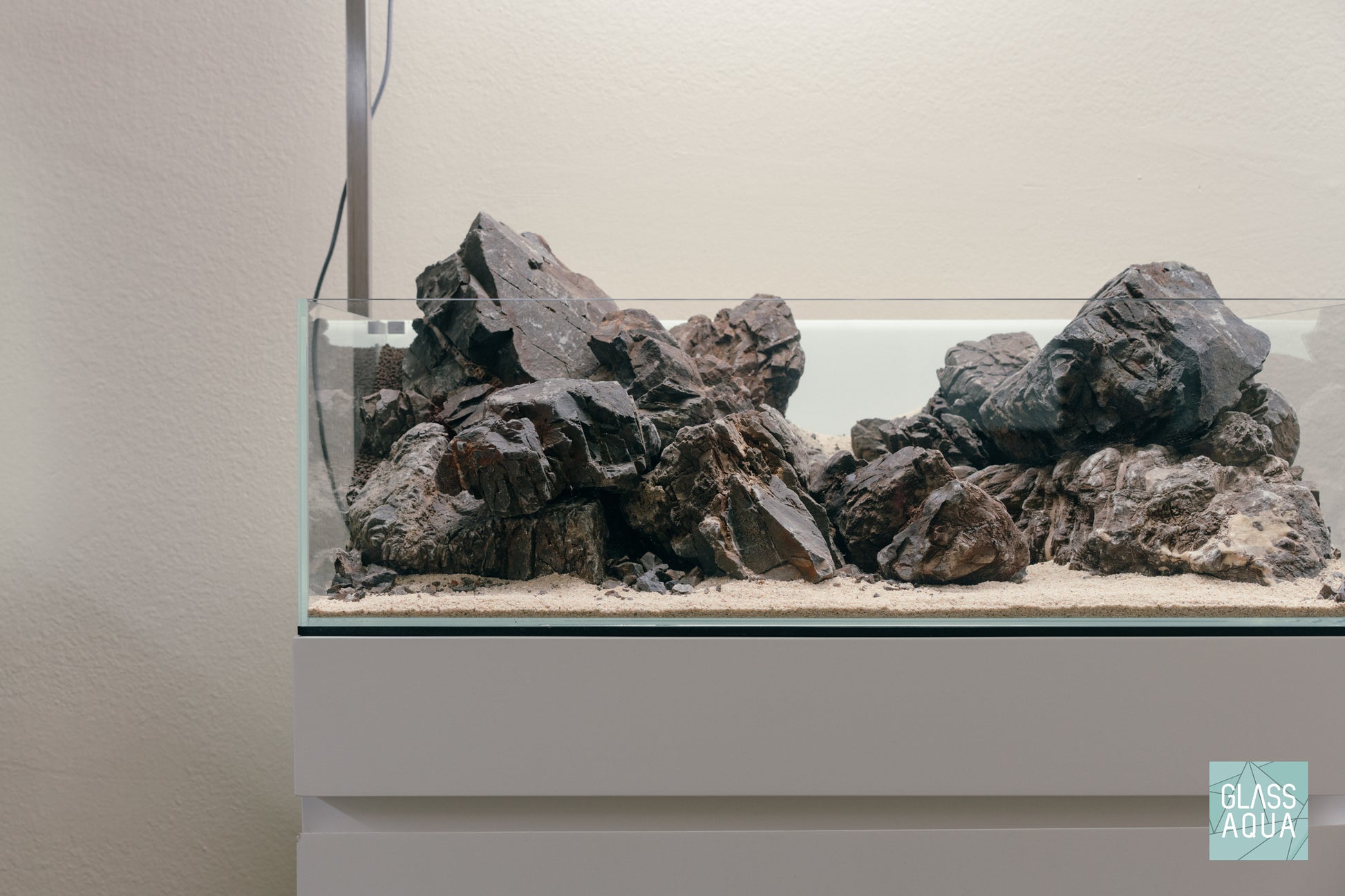
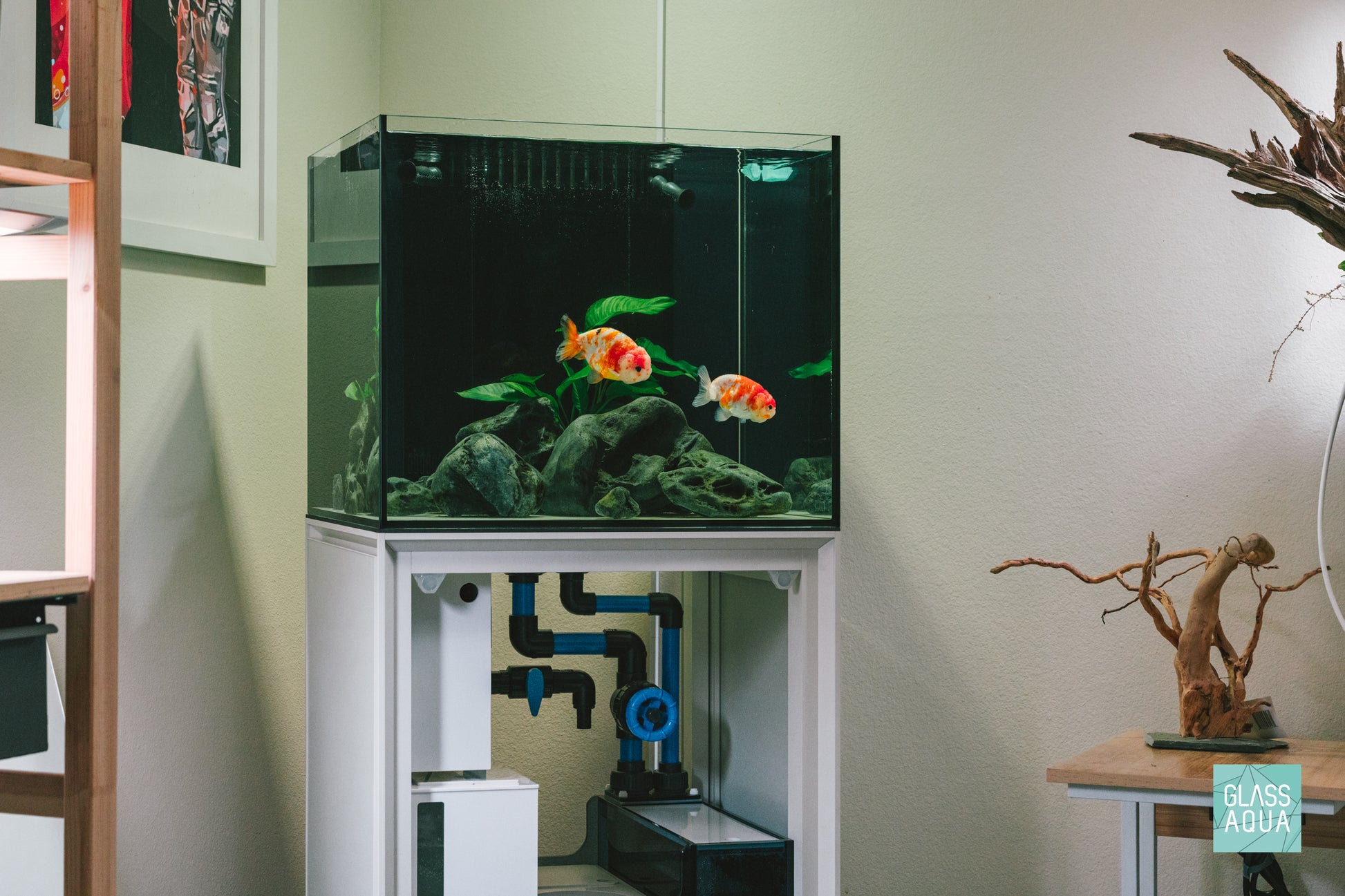
Some of the hobby’s most iconic layouts are built around stone. From dramatic focal points to subtle (or obvious) elevation changes, stone can seriously shift perspective, scale, and feel of an aquascape.
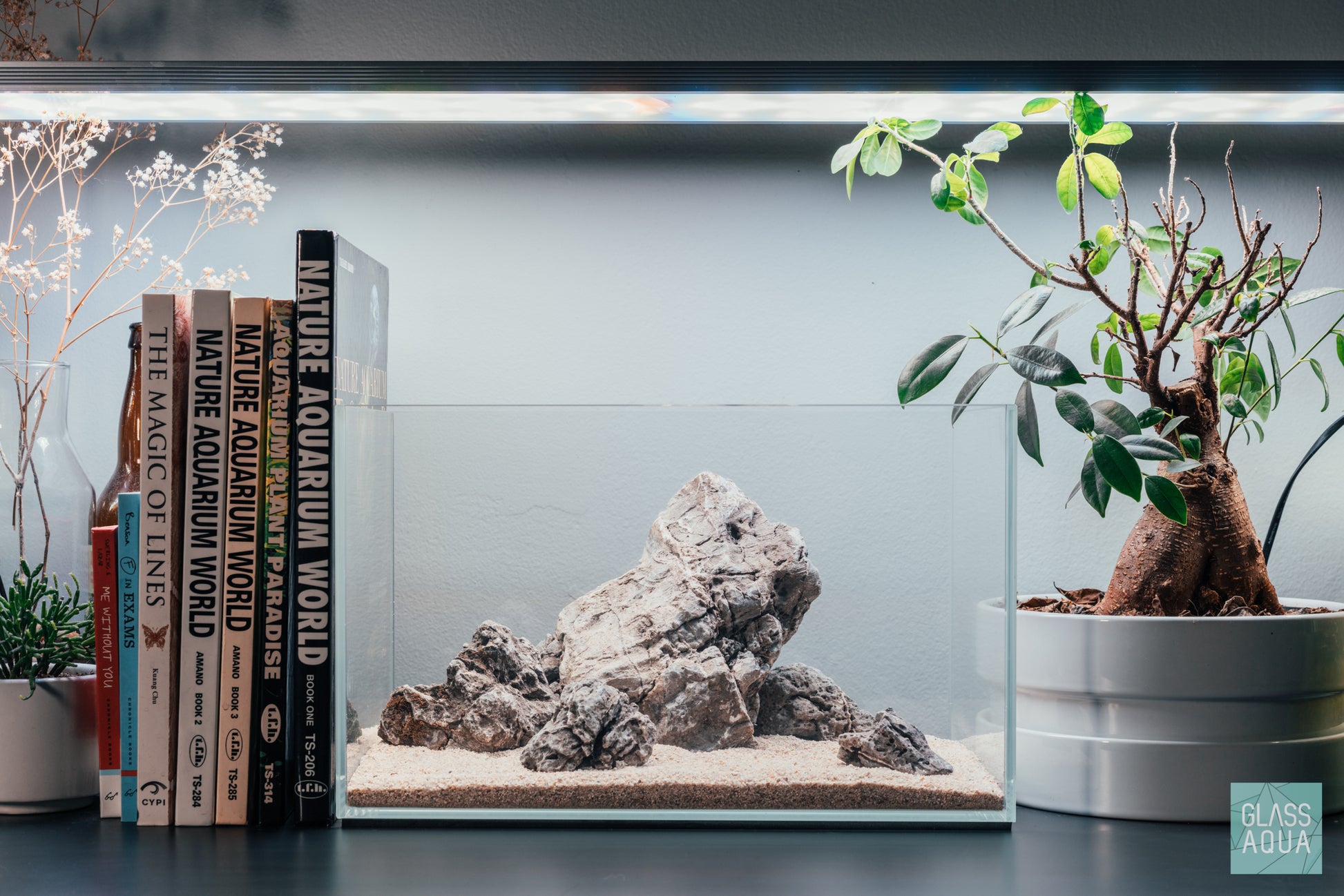
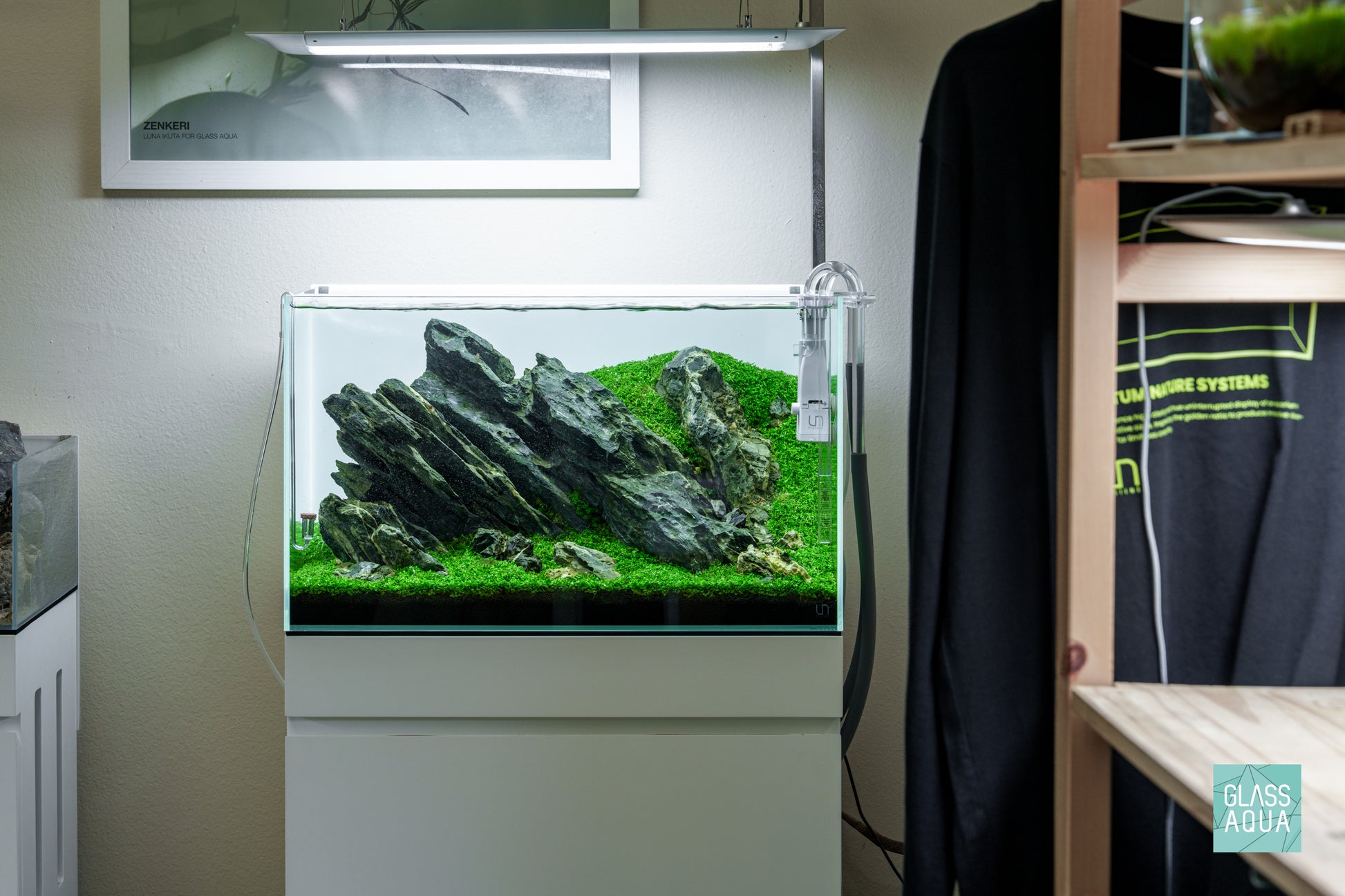
Whether you’re planning a traditional Iwagumi aquarium or creating towering mountain ranges, rolling valleys, or natural hills, the stone you choose influences the decisions that follow. Its weight and stability also make it ideal for supporting hardscape, building elevation beneath substrate, and creating long-lasting aquascapes.
Finding the Right Style
Every type of stone has its own texture, color, and personality, making each one better suited to certain aquascaping styles. For example:
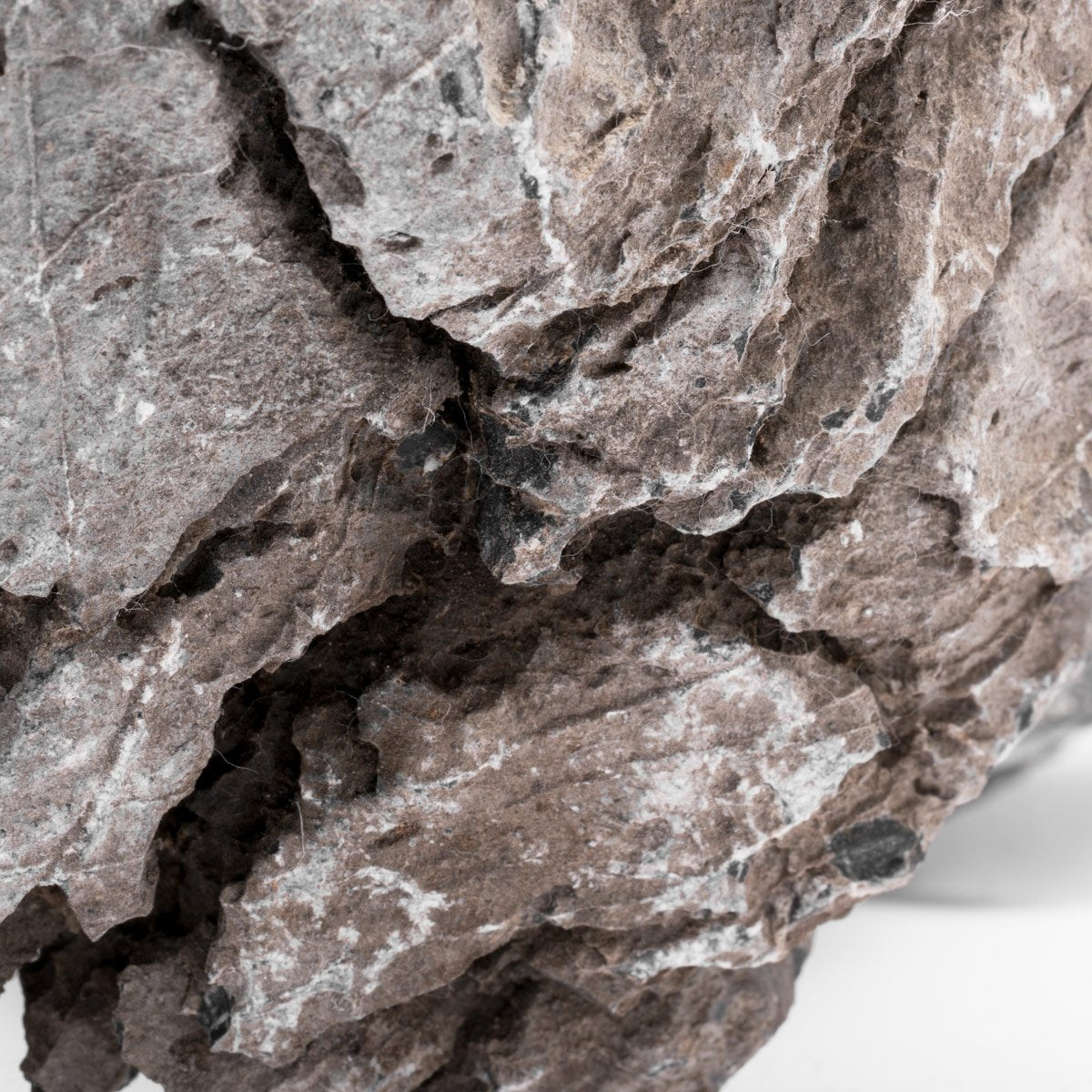
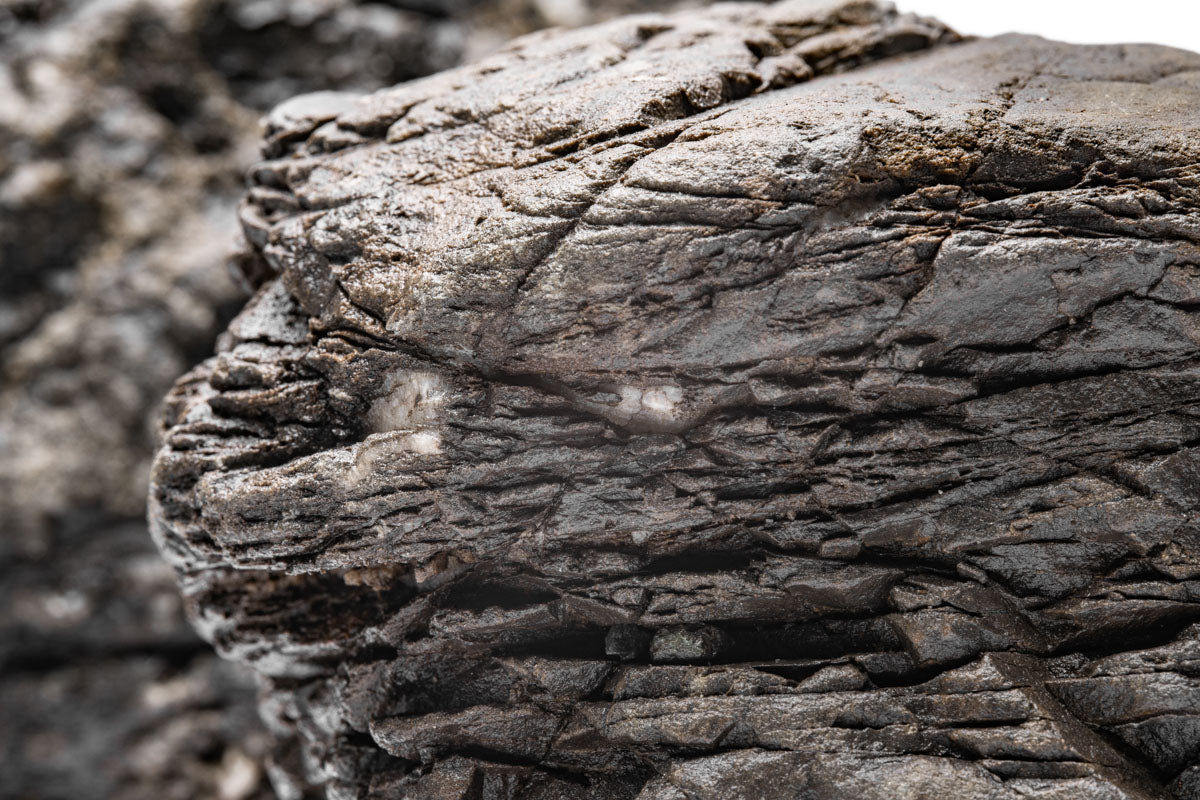
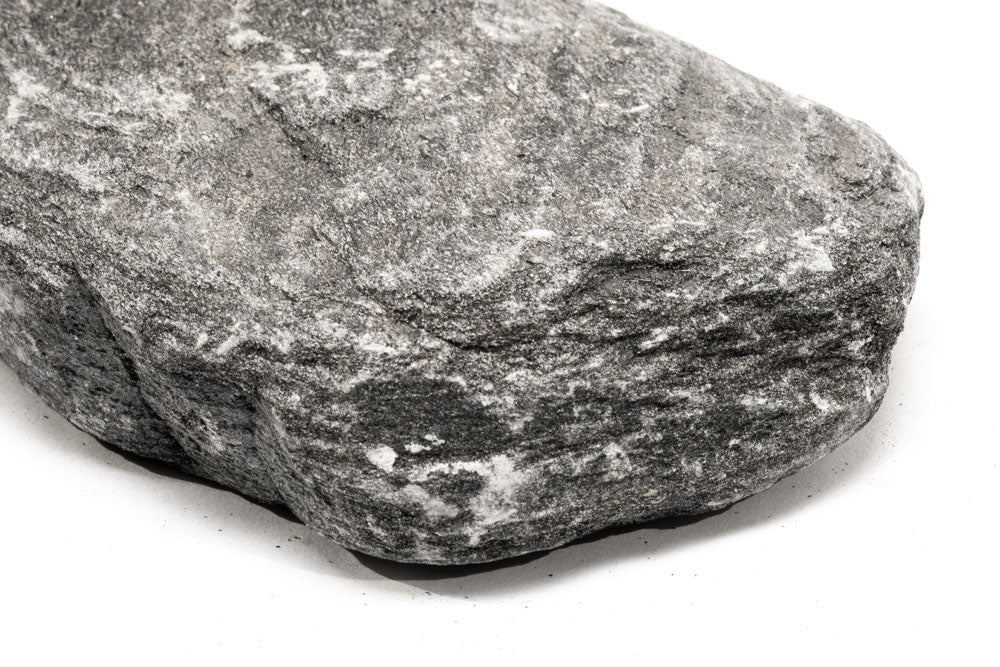
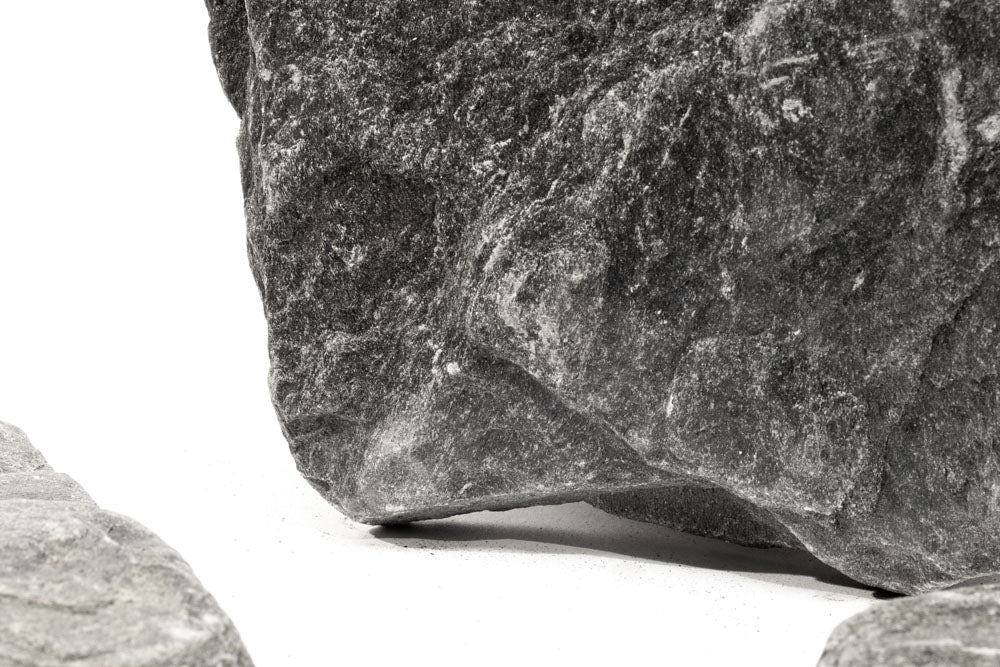
Seiryu Stone is known for its dramatic ridges, striations and cool gray tones, making it a favorite for Iwagumi and mountain-inspired aquascapes.
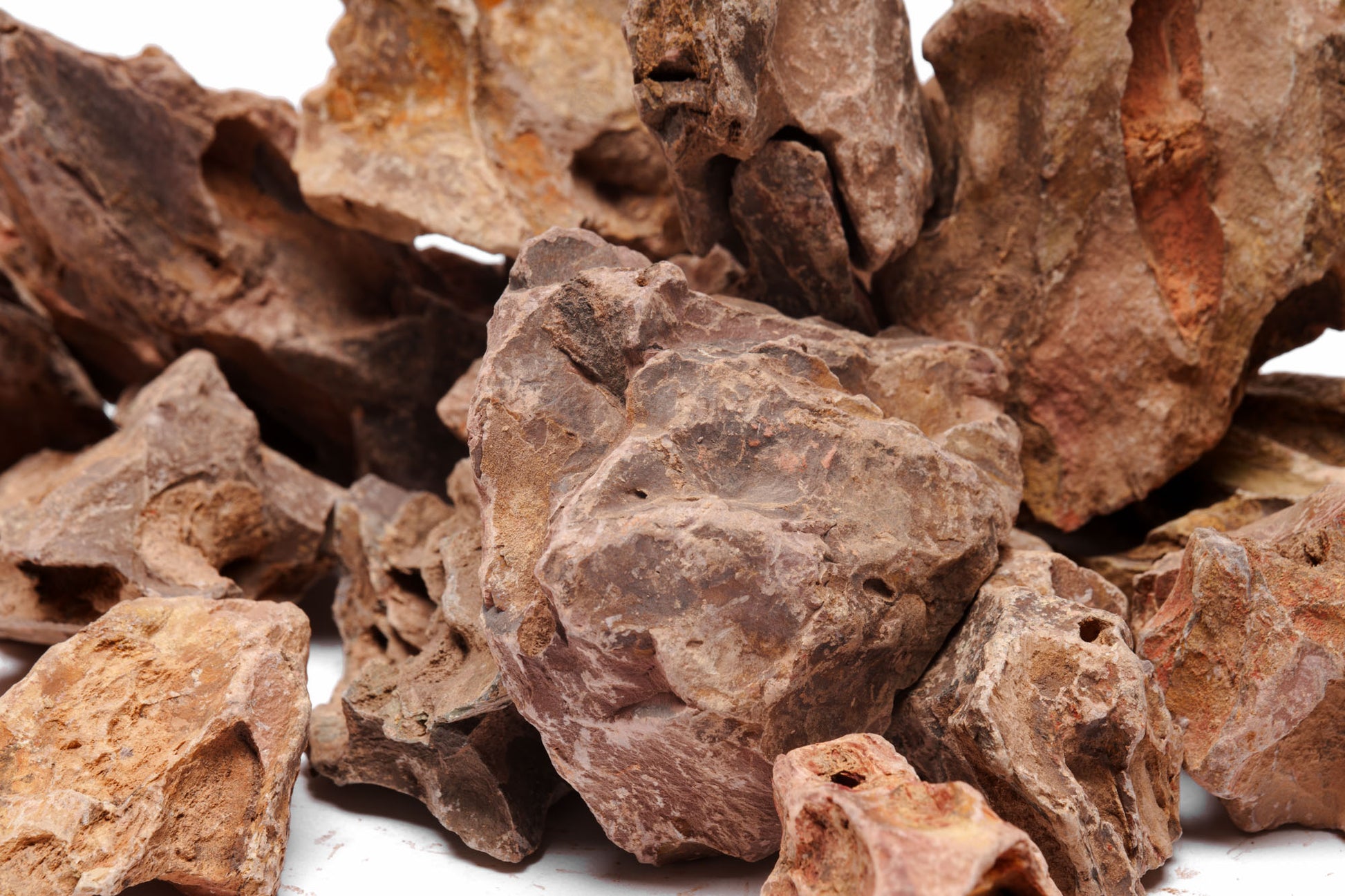
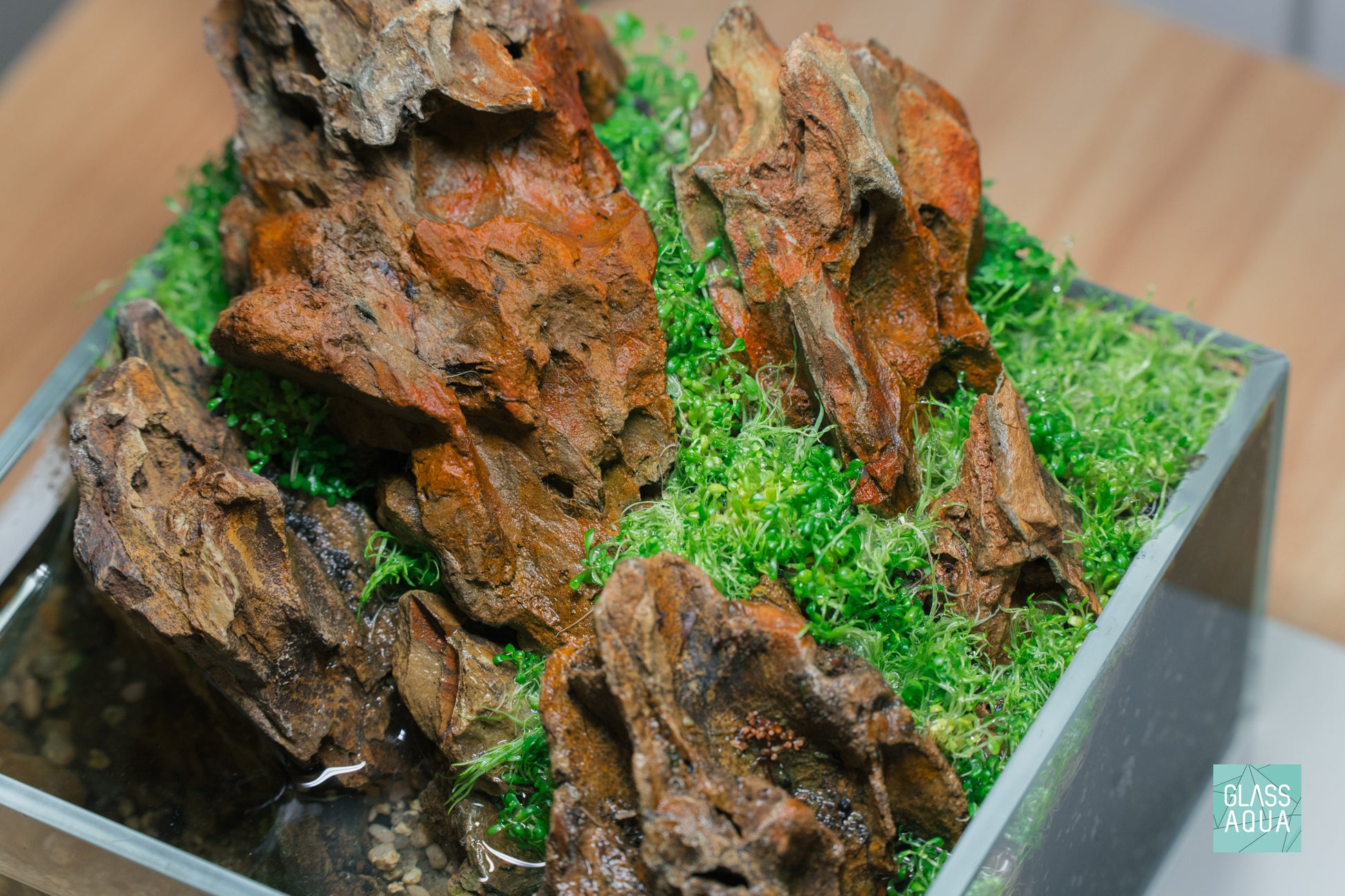
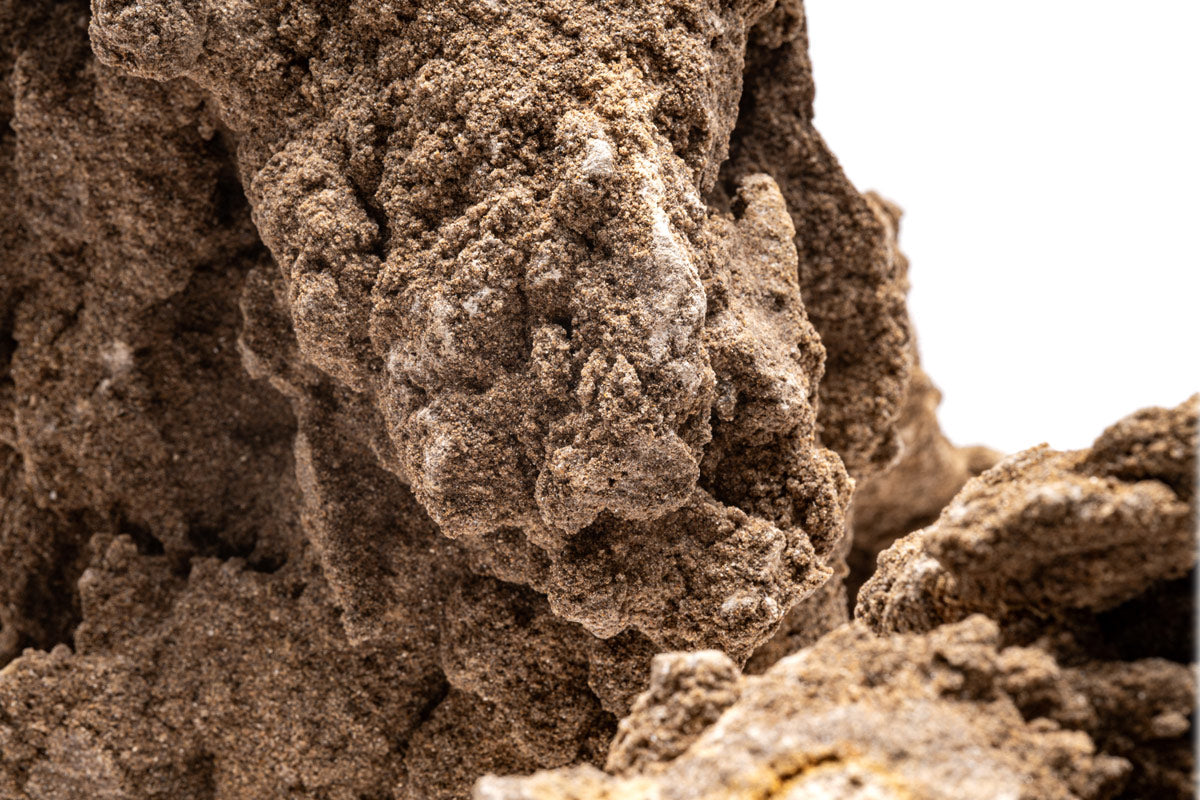
Dragon Stone (Ohko Stone) features natural pockets and texture excellent for warm-toned layouts or as supporting stone in aquascapes that incorporate driftwood.
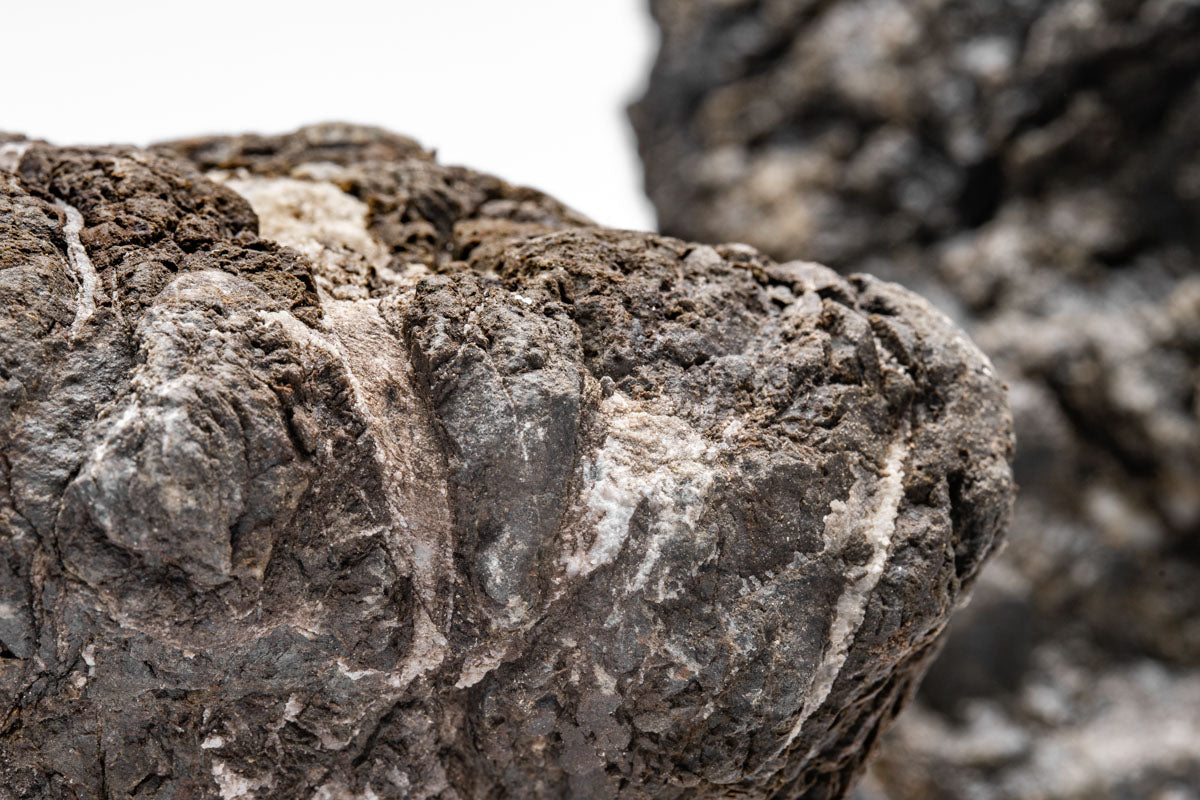
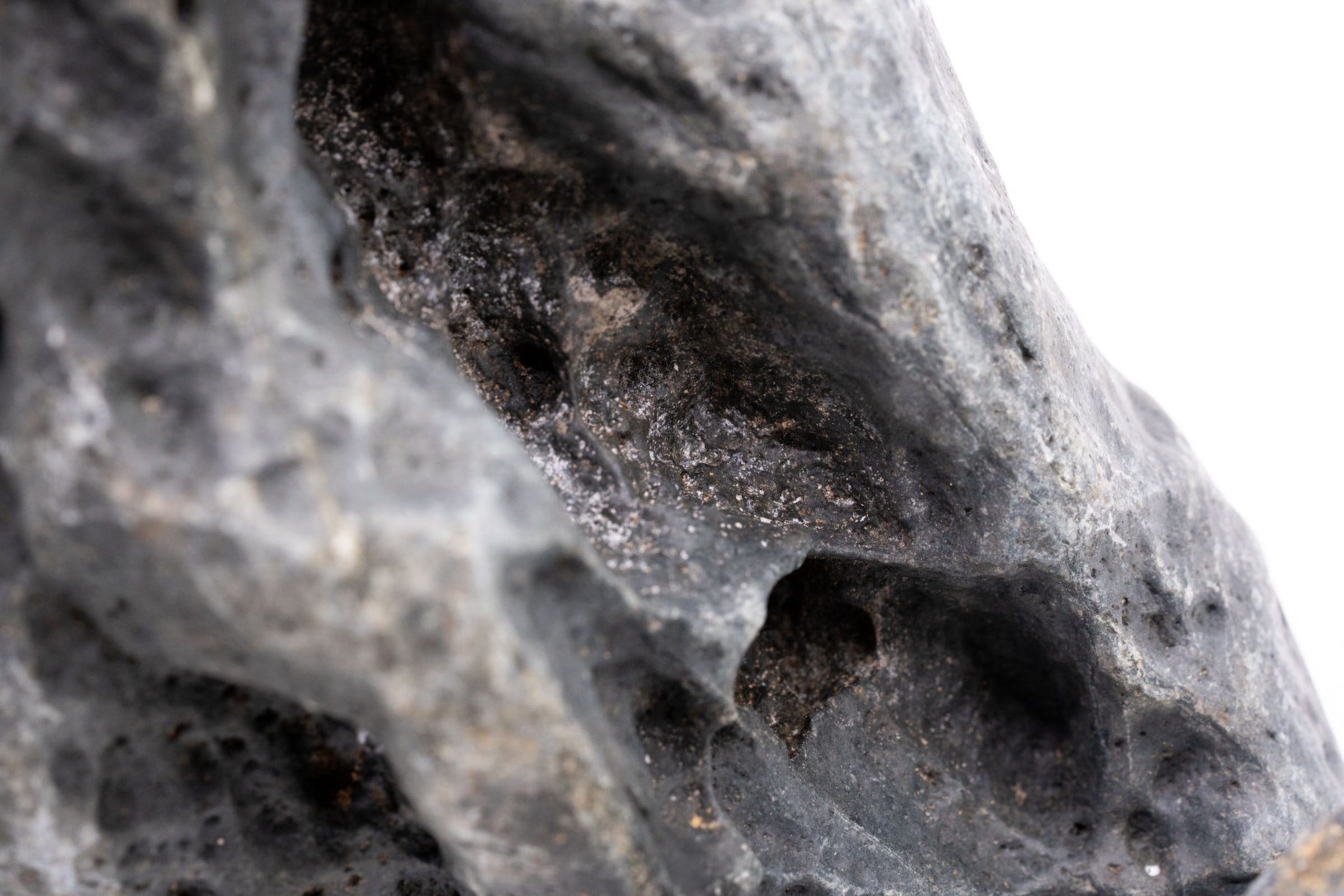
Lava Rock is lightweight and highly porous, offering fantastic texture while making it easy to stack and build height. It’s equally at home in planted aquariums, paludariums, and terrariums.
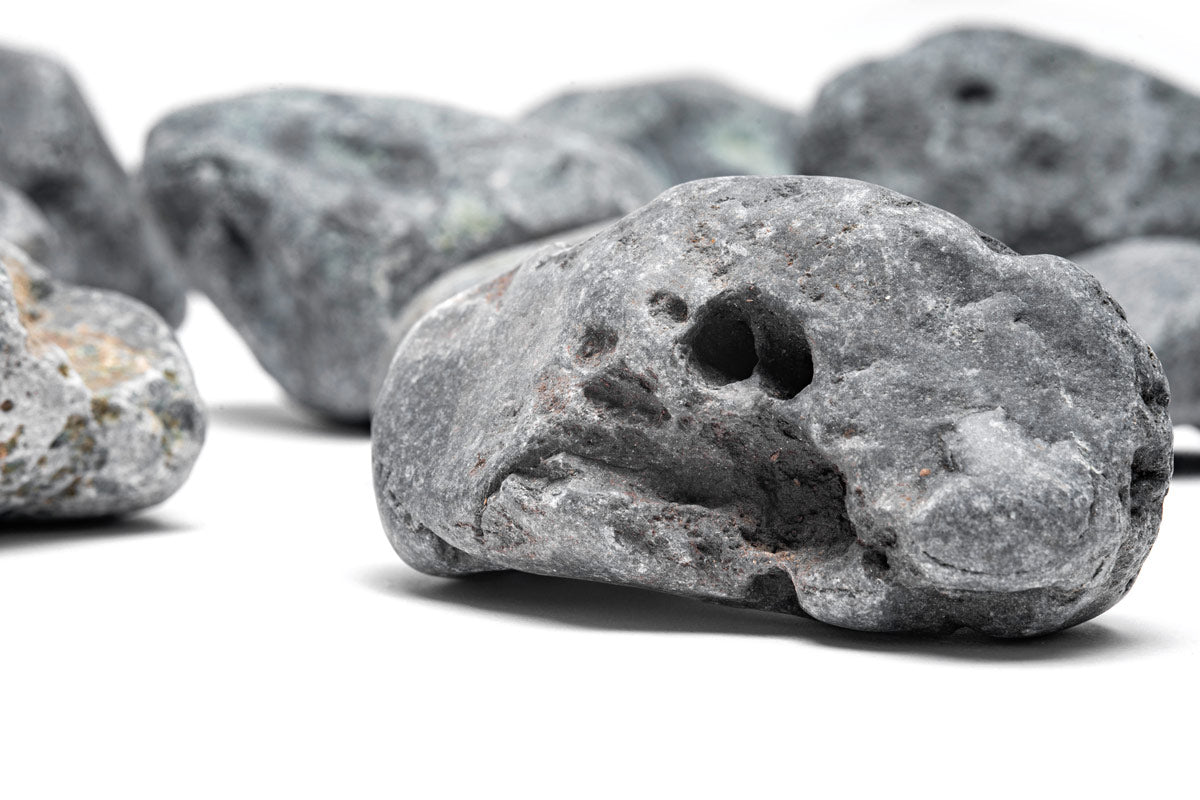
Hakkai Stone combines its smooth, weathered shapes with subtle cool-toned colors. It’s our go-to pick for river-inspired aquascapes and organic nature aquarium layouts.
Rather than searching for the “best” stone, think about the overall landscape you want to create and how your plants will complement it. Different types of stone naturally lend themselves to different aquascaping styles.
- Traditional Iwagumi: Seiryu Stone + Monte Carlo
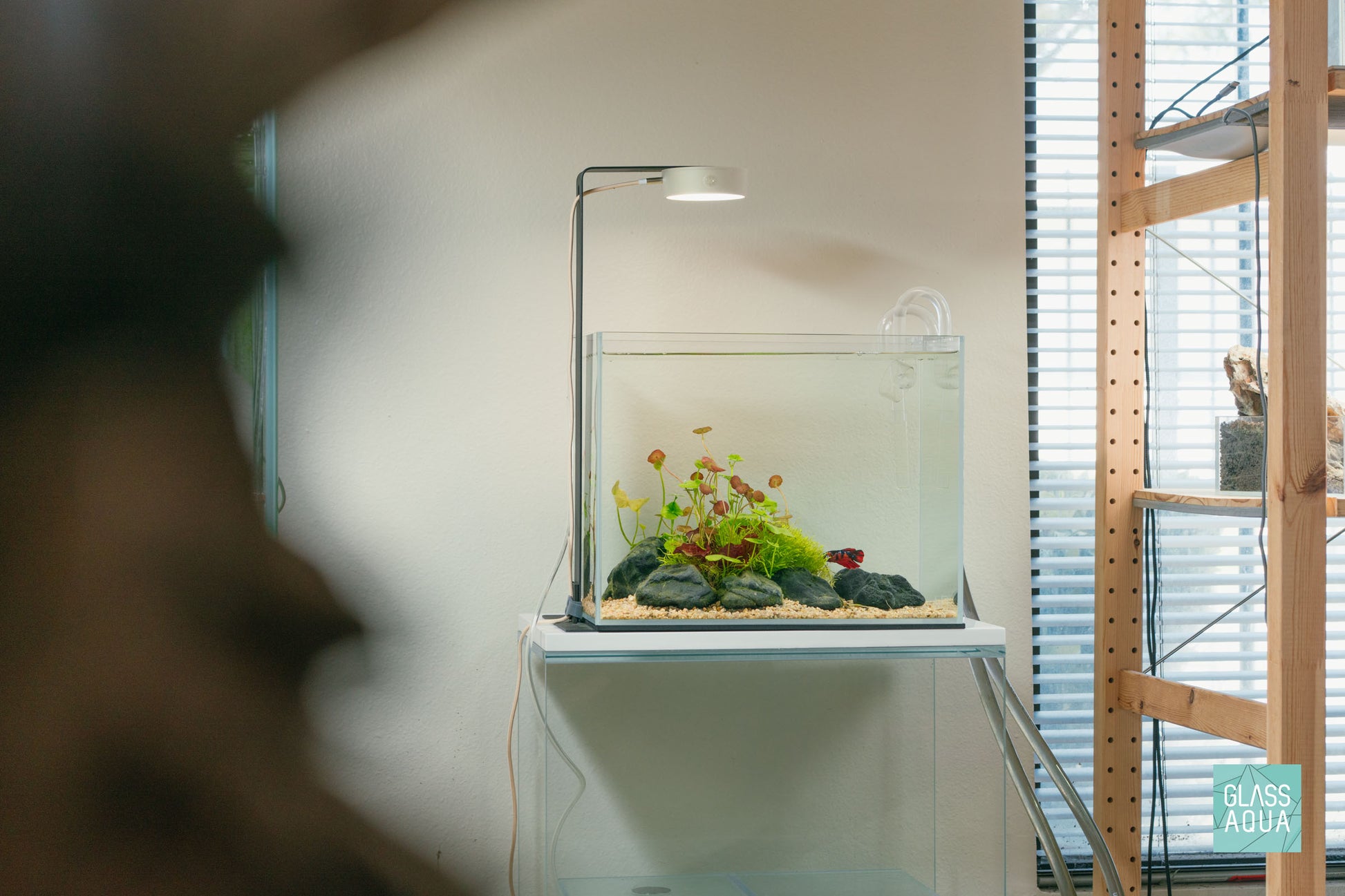
- Volcanic & Natural Landscapes: Lava Rock + mosses and carpeting plants
Combining Stone with Driftwood
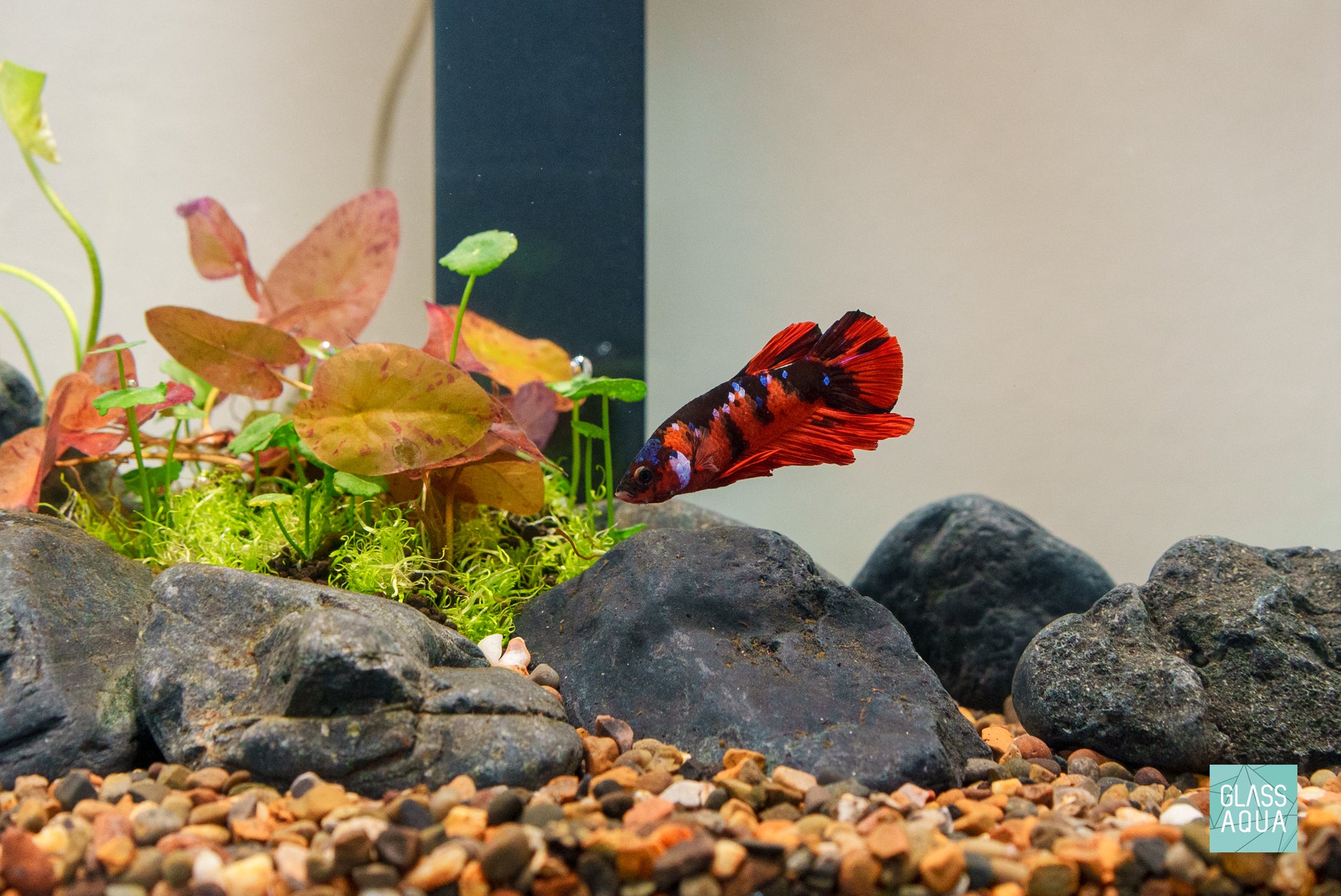
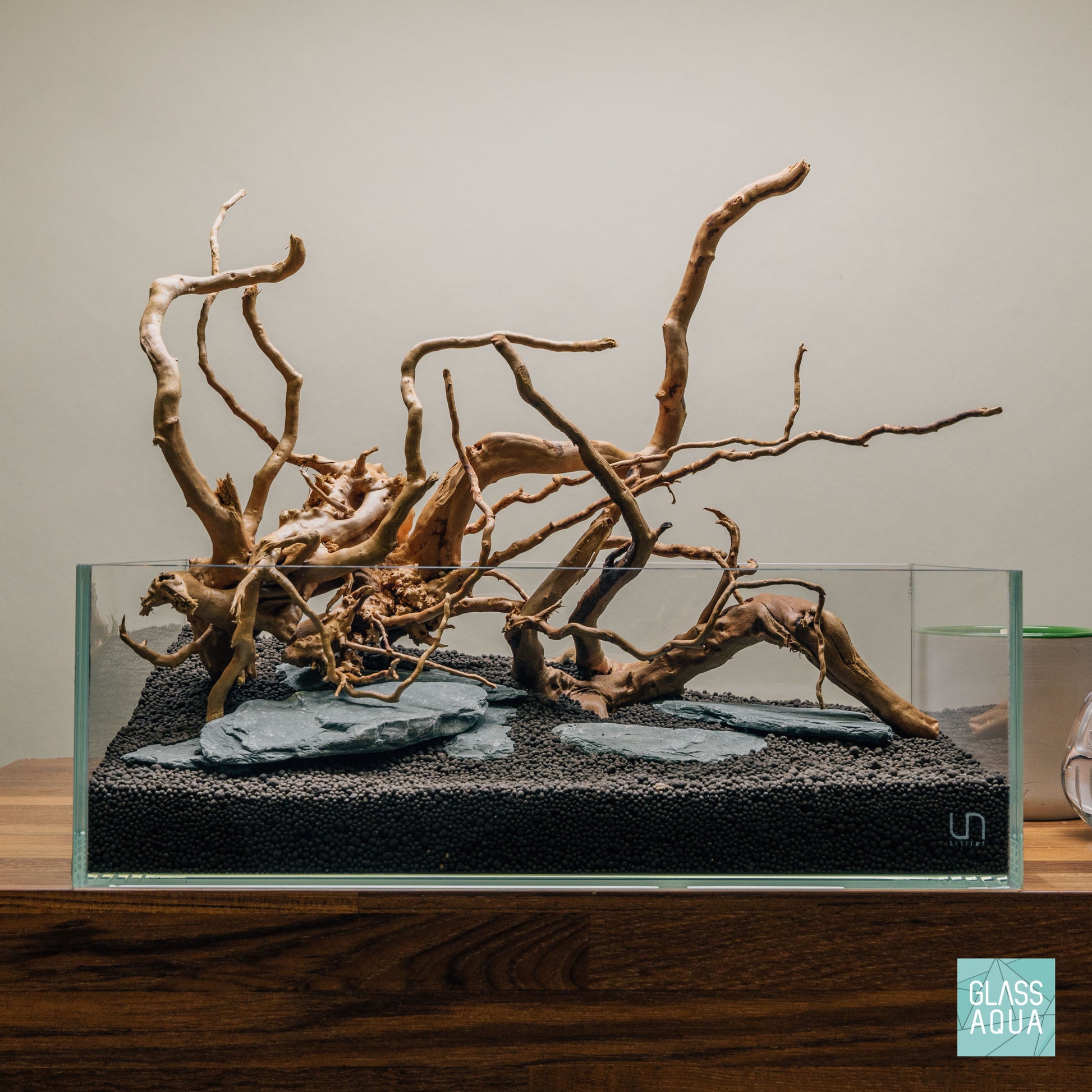
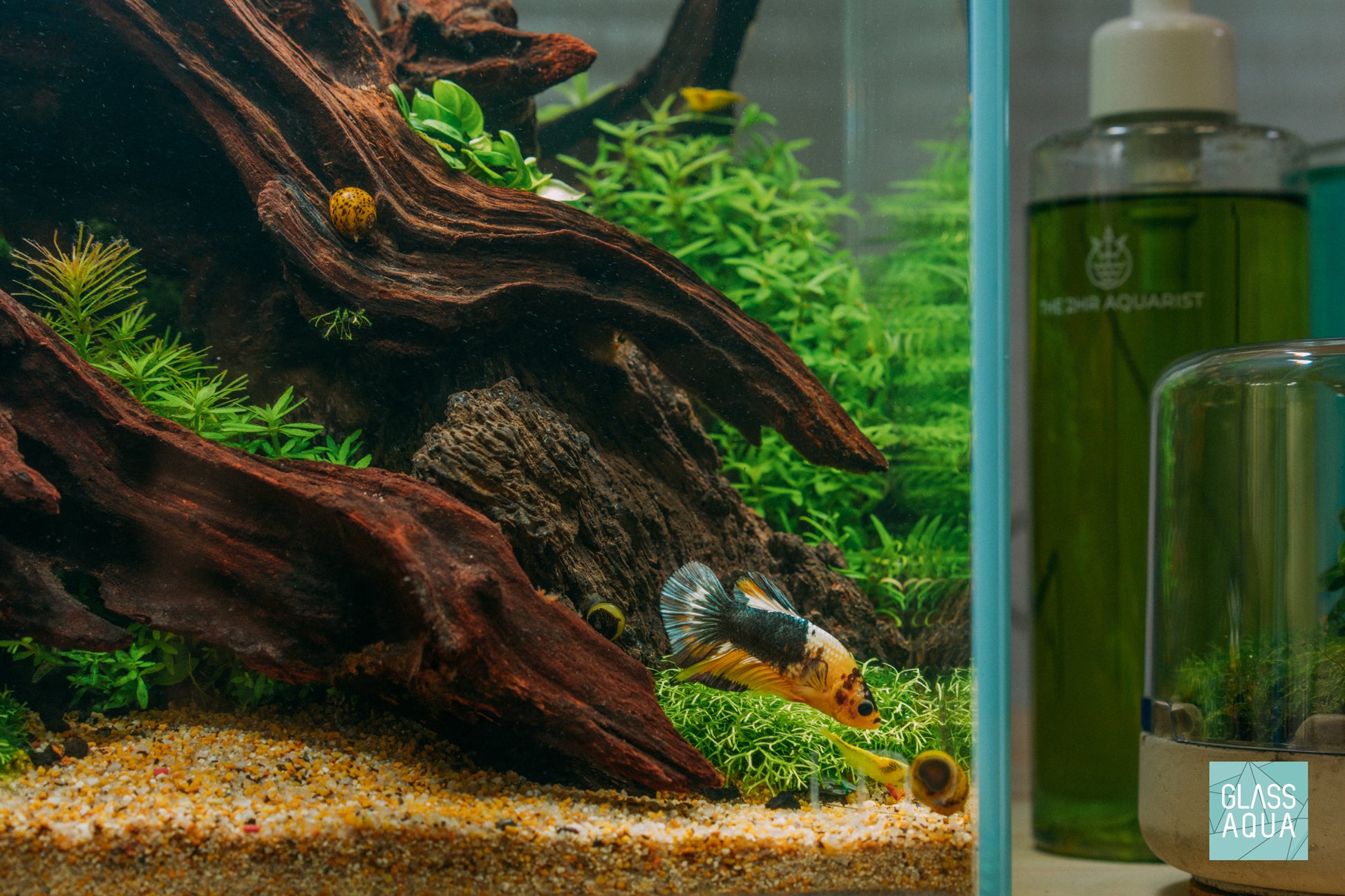
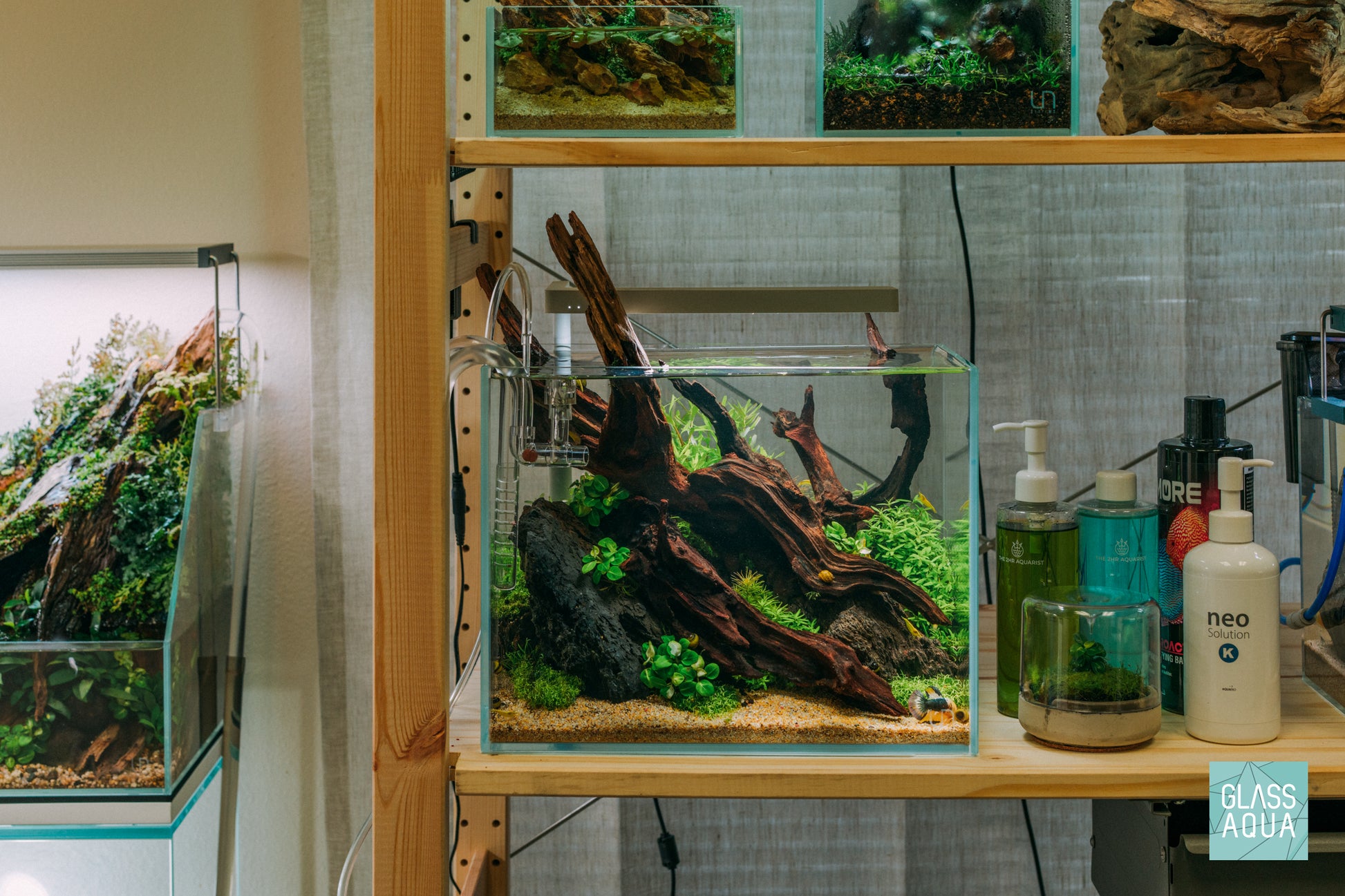
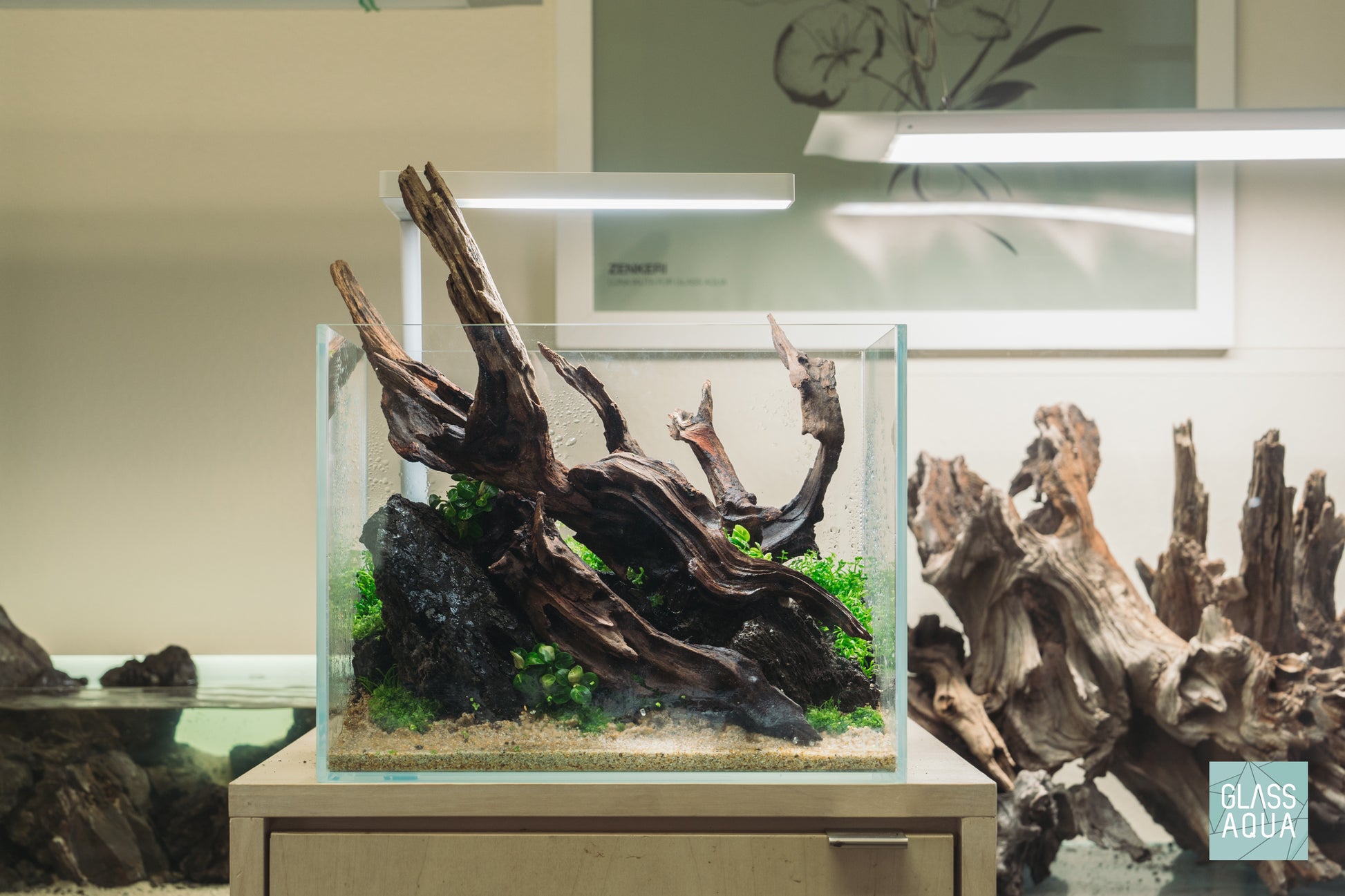
Stone can easily stand on its own, but pairing it with driftwood opens up even more design possibilities. Stone brings visual weight and structure, while driftwood introduces movement, texture, and organic flow. Together, they create layouts that combine the best of both worlds.
There are no rules when combining hardscape materials. Think about the role you want stone and driftwood to play within your layout, then start with colors and textures that complement one another. From there, let the aquascape evolve as you build.
Before Adding Stone to Your Aquarium
Aquascaping stones should always be rinsed thoroughly before use to remove dust and loose debris. While many popular aquascaping stones are suitable for planted aquariums, some natural stones can influence water chemistry to varying degrees. If you’re keeping livestock with specific water parameter requirements, it’s worth researching the characteristics of the stone you choose before building your layout.
Looking for aquascaping ideas? Explore our Shop the Look gallery to see how different types of driftwood come together in completed layouts.