Skip to product information
Shop Ceratopteris Thalictroides Aquatic Plants - Glass Aqua

Ceratopteris Thalictroides

$9.99 USD
Usually ships in 1-2 business days from our fulfillment center
IMPORTANT: Our aquarium plants may vary in growth forms. Because of this, please understand how to properly transition and acclimate plant(s) into desired form(s). We do our best to thoroughly clean and inspect all plants prior to shipment but cannot guarantee lead bunch or potted plants to be free from snails and/or algae. Not your thing? Please consider purchasing tissue culture aquarium plants! 

Tissue culture plants are cultivated in sterile lab settings ensuring your plant is free from pests, snails and algae! These are young specimen that are grown in emersed forms. Gel should always be removed prior to planting.

LIVE PLANTS ARE SUSCEPTIBLE TO STRESS AND DAMAGE FROM TRANSIT - This may appear in the form of minimal melt, leaf loss, cosmetic damage, etc. Refunds or replacements will not be issued for plants with viable root systems or that die out of our care.


Water Sprite is a classic beginner aquarium plant!
Remove this plant from its growing medium before planting.
Click here to shop all aquarium plants!

Ceratopteris Thalictroides, more commonly known as Water Sprite, is a fast-growing aquarium stem plant with bright green, decorative foliage. Loved by beginner hobbyists, Water Sprite is extremely easy to keep in a planted aquarium and offers an undemanding nature along with quick growth. Its wide growth is good for filling in empty space in a planted aquarium tank. Much like other classic easy aquarium plants, Ceratopsis Thalictroides does not require too much care and can adapt to a wide range of aquarium tank parameters. Water Sprite also helps in absorbing excess nutrients from the water column, helping to outcompete algae, preventing its growth and promoting a cleaner water column for aquarium tank inhabitants. 

As Water Sprite grows quickly, it has the potential to grow unruly if not maintained and pruned regularly. We recommend this aquarium plant for the midground and background aquatic plant choices in a planted tank. It is suitable for the larger spectrum of nano aquarium tanks to larger standard sizes. Propagation is simple and trimmed stems can be replanted into quality aquarium soil.

Common Name Ceratopteris Thalictroides
Water Sprite
Care Easy
Lighting Low to Medium
CO2 Optional
Suggested Placement Background
Propagation Trim and plant stems
Growth Rate Fast
Height 10+”

Aquarium Stem Plant Care Guide & Growth Cycle

Aquarium stem plants are fast-growing aquatic plants that develop leaves along a vertical stem and are typically planted into aquasoil or other nutrient-rich substrates. Popular in nature-style planted tanks, stem plants add vivid color and grow quickly, filling in background and midground areas easily. Common genera include Alternanthera, Bacopa, Ludwigia, and Rotala, with species suitable for both low-tech aquariums and high-light, CO2-injected layouts. This guide outlines stem plant care and the growth stages you can expect from initial planting through trimming and long-term maintenance.

Planted aquarium with overgrown aquatic stem plants Trimming and maintenance of aquatic stem plants in densely planted UNS 45U Iwagumi aquascape Completed maintenance on densely planted Brazilian Iwagumi aquascape with Rotala stem plants
Before
Trimming and Replanting
After
Glass Aqua Planted Aquarium Tank Aquatic Stem Plant Trimming Guide

Trim aquarium stem plants by cutting the stem

Glass Aqua Planted Aquarium Tank Aquatic Stem Plant Trimming Guide

After trimming, the rooted portion can remain in place or be removed

Glass Aqua Planted Aquarium Tank Aquatic Stem Plant Trimming Guide

New shoots will grow from the node where the stem was cut

Glass Aqua Planted Aquarium Tank Aquatic Stem Plant Trimming Guide

Alternatively, replant the healthiest trimming to propagate new stems

Glass Aqua Planted Aquarium Tank Aquatic Stem Plant Trimming Guide

Repeating this process encourages denser, bushier plant groups

Stage 1: Adaptation and Recovery (Months 1–2)

After planting, stem plants enter an adaptation phase as they adjust to their new environment. Water parameters, transit stress, and the form in which the plant was grown all influence how smoothly this transition occurs. Today, aquarium plants are available in several variations including tissue culture, submerged stem bunches, or emergent-grown bunched or potted plants. Each form requires a different amount of time to acclimation and transition to fully submerged growth. 

During this stage, some leaf melt, slow growth, or discoloration can occur. Sensitive species such as Cabomba or Nesaea take longer to stabilize and can drop leaves even from gentle handling. Even hardy plants will need to adjust to differences in CO2 levels, nutrient availability, and lighting levels in a new aquarium.

Adaptation is generally much smoother when stem plants are introduced into a cycled, stable planted tank. In aquariums that are still finding balance, plants are more likely to struggle and show visible damage when trying to establish. Stability during introduction is key. Avoid frequent uprooting or major adjustments while roots are developing and new submerged growth appears.

Aquarium stem plants 1 month growth in Brazilian style Iwagumi aquascape by Glass Aqua

April 6th — Just over one month of growth with little coloration in the stem plants

Growth progress of stem plants without coloring up yet in planted aquarium

May 21st — Stem plants are beginning to take off, but coloration has not fully developed yet

Side view of stem plant growth in Brazilian Iwagumi aquascape by Glass Aqua

May 31st — Slight melt appears in the lower, older portions of the stems as the plants transition to new growth

Stage 2: Active Growth and Trimming (Months 2–5)

Once a stem plant has adapted, it will begin producing new shoots, leaves, and visible roots. This is a great sign that the plant has transitioned successfully and is entering an active growth phase. You can now begin monitoring older growth more closely. 

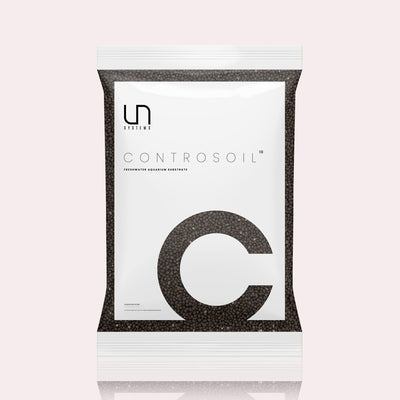
If you started off using a high-quality aquarium soil like Ultum Nature Systems Controsoil or Aquario Neo Soil, major deficiencies are uncommon at this stage. However, older leaves may melt, fade in color or deteriorate as the plant sheds non-adapted growth in favor of new submerged foliage. If this happens, trim the healthy new tops and replant it into the substrate. This allows the plant to redirect its energy and focus on new growth rather than attempting to recover or sustain older leaves that will naturally decline over time.

Because stem plants absorb nutrients through both their roots and leaf tissue, regular fertilization becomes increasingly important as the plant matures and growth accelerates. A nutrient-rich substrate will support root development, while liquid fertilizers provide nutrients via the water column.

Aquarium stem plants beginning to gain color in Brazilian aquascape by Glass Aqua

June 21st — The stem plants are starting to color up, but the group has not yet been "shaped"

Trimming colorful aquarium stem plants and replanting for better growth in planted tank

July 6th - The stems now have color and have reached the surface. This area is now trimmed and shaped

Replanting colorful and healthy stem plant trimmings for better growth

July 6th - The healthiest and most colorful trimmings are replanted in between for denser growth

Stage 3: Maintenance (Months 6–8)

At this stage, plants are happy and will continue to grow well as long as the planted aquarium remains balanced. Weekly water changes, consistent liquid fertilization, and stable CO2 levels are key. As stem plants grow larger and taller, regular trimming may become necessary to ensure even light penetration throughout the group. You can trim excess growth and replant healthy tops to achieve the bushy, dense growth that many aquascapers aim for! Aquascaping tools will make this trimming and replanting job easier and more comfortable for you.

You may also start to notice aerial roots. These fine roots emerge from stem nodes and develop naturally thanks to natural propagation instincts. If these roots make contact with the substrate, congratulations you have a new plant! They’re harmless, but if you prefer a cleaner look, replant fresh trimmings and remove old stems as needed. Because trimming encourages branching, aerial roots tend to appear more frequently in aquariums where stem plants are regularly pruned. It’s also best to prevent stems from reaching the water surface. When left to grow, most will naturally bend and continue to grow sideways, almost guaranteeing the formation of aerial roots.

It is now that root tabs might be a good move in addition to consistent liquid fertilization in the water column. Aquasoil gradually depletes over time, and root tab supplementation in areas with heavy plant mass will help replenish nutrients in the substrate for continued healthy growth. Plants are fantastic communicators, and nutrient imbalances can include pinholes in leaves, discoloration, deformed new growth, or slower overall growth. Adjusting fertilization and maintaining consistent maintenance routines will help keep the planted aquarium balanced as the layout matures.

Pearling Rotala stem plant in planted aquarium by Glass Aqua
Twinstar aquarium light growing colorful aquatic stem plants
Ludwigia super red sprouting aerial roots in nano planted aquarium
Ludwigia super red growing out of water in nano planted aquarium
Aquarium stem plant with aerial roots reaching down to substrate with other aquatic plants and Ember Tetras

Aerial roots and emergent growth from Ludwiga Natans 'Super Red'

Stage 4: Replant or Rescape (Months 8+)

As the planted tank matures, plant mass will eventually overtake the available space, leaving little room for new growth or root formation. Now is the time to decide whether to reset and replant certain areas or rescape the aquarium.

For a reset, start by trimming away older stems and uprooting dense plant areas. Top off with fresh soil and replant healthy trimmings as desired. Alternatively, start something entirely new. For aquascapers who enjoy periodic resets, this stage is a natural opportunity to redesign the layout and rescape the tank!

We hope that by the end of Stage 4 you either replant and repurpose your stem plants or share some with fellow aquascaping friends. Healthy stem plant growth ultimately depends on balanced lighting, nutrients, and CO2 levels working together to support beautiful aquascapes and stable planted aquariums.

Mature 9.3 gallon planted aquarium with colorful stem plants by Glass Aqua
Colorful Brazilian Iwagumi aquascape by Glass Aqua in the Ultum Nature Systems 45U standard rimless aquarium
Brazilian Style Iwagumi planted aquarium by Glass Aqua
Colorful aquarium stem plants before trimming in UNS 45U planted tank
Brazilian Iwagumi aquascape with red stem plants by Glass Aqua
Mature 9.3 gallon planted aquarium with colorful stem plants by Glass Aqua
Colorful Brazilian Iwagumi aquascape by Glass Aqua in the Ultum Nature Systems 45U standard rimless aquarium
Brazilian Style Iwagumi planted aquarium by Glass Aqua
Colorful aquarium stem plants before trimming in UNS 45U planted tank
Brazilian Iwagumi aquascape with red stem plants by Glass Aqua

September 15th — The final look of this Ultum Nature Systems 45U planted aquarium Iwagumi and a view through the aquascape’s lifecycle.

Reviews by real customers
Shipping, Returns and Refunds

Shipping
Orders are typically processed within 1-2 business days M-F. However, additional time may be required during peak seasons and federal holidays. For orders containing live plants, we exercise extra caution and assess factors such as travel distance and weather to ensure safe transit.

To avoid delays, please ensure all order information is accurate and complete. We cannot offer refunds and are not responsible for orders shipped to incorrect addresses due to errors in provided information. Once an order has been shipped, delivery times are determined by the carrier and are outside of our control. On average, shipments arrive within 2–5 business days, excluding weekends and holidays. For more information, please visit our FAQ page.

Returns
If you are not satisfied with your purchase, please contact us within 48 hours of delivery. Approved returns must be shipped back within 14 days of approval. Returned items must be unused, unopened, and in their original packaging. Specific return requirements, if applicable, will be listed on the product’s page. For more information, please visit our FAQ page.

Refunds
No worries, we’ll take care of everything as long as it fits the guidelines above.Most answers to general questions can be found on our FAQ page.