Skip to product information
Shop Ludwigia Sedioides Aquatic Plants - Glass Aqua

Ludwigia Sedioides

$12.99 USD
Usually ships in 1-2 business days from our fulfillment center
This plant is HIGHLY susceptible to losing some or all of its leaves during transit. If the stem is healthy but does not have leaves, it is NOT eligible for DOA claims. Ludwigia Sedioides will happily re-grow if provided with the correct environment.


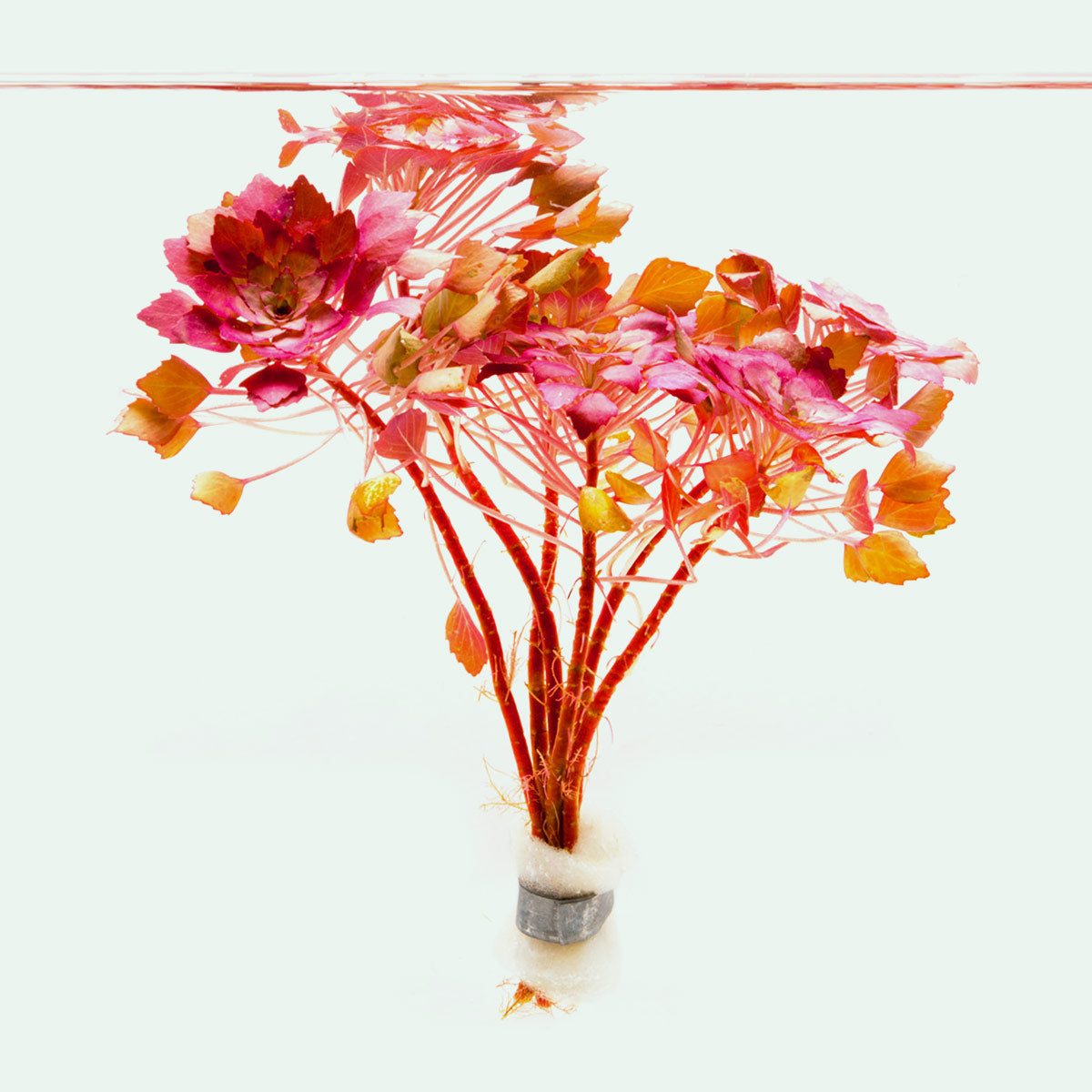
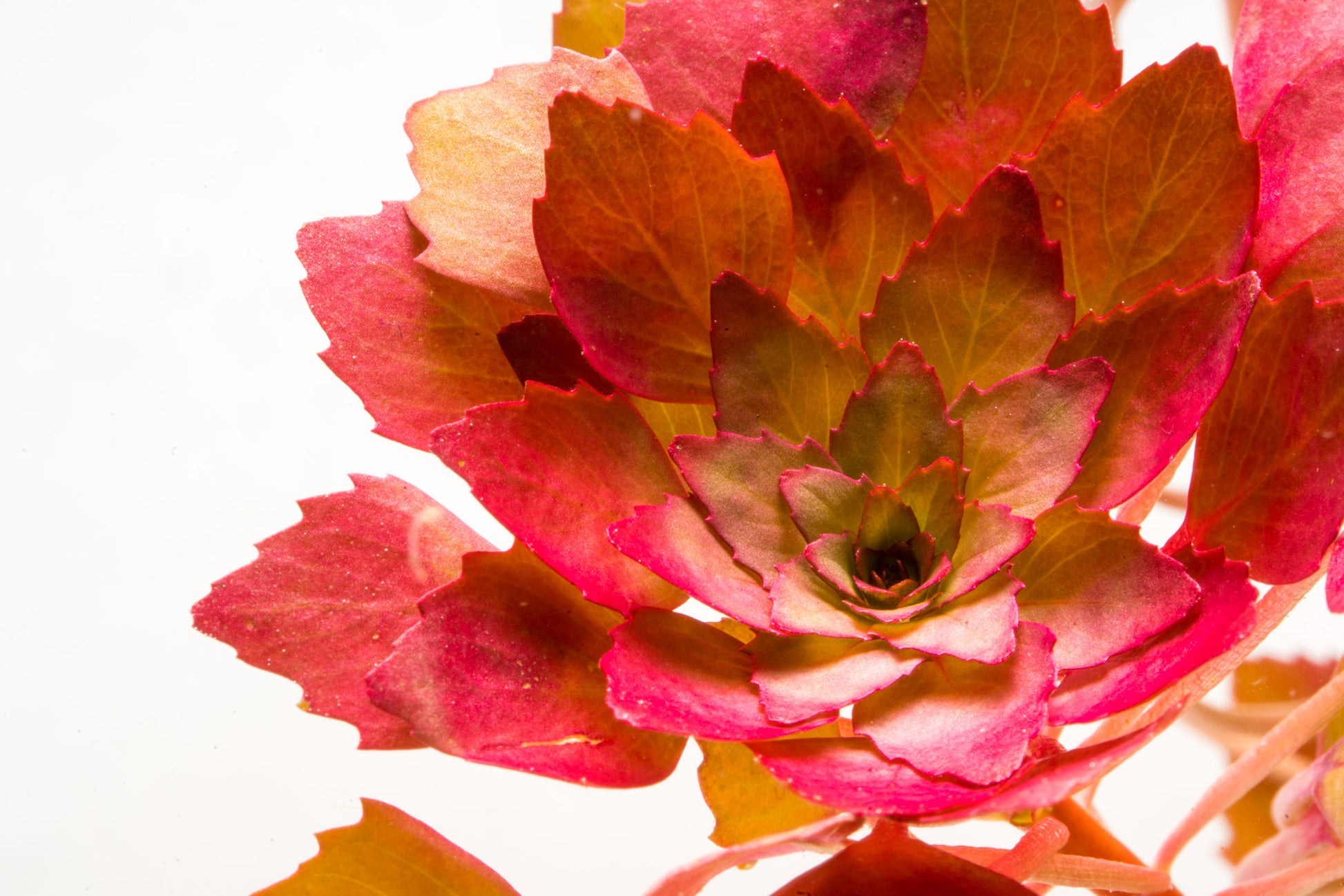
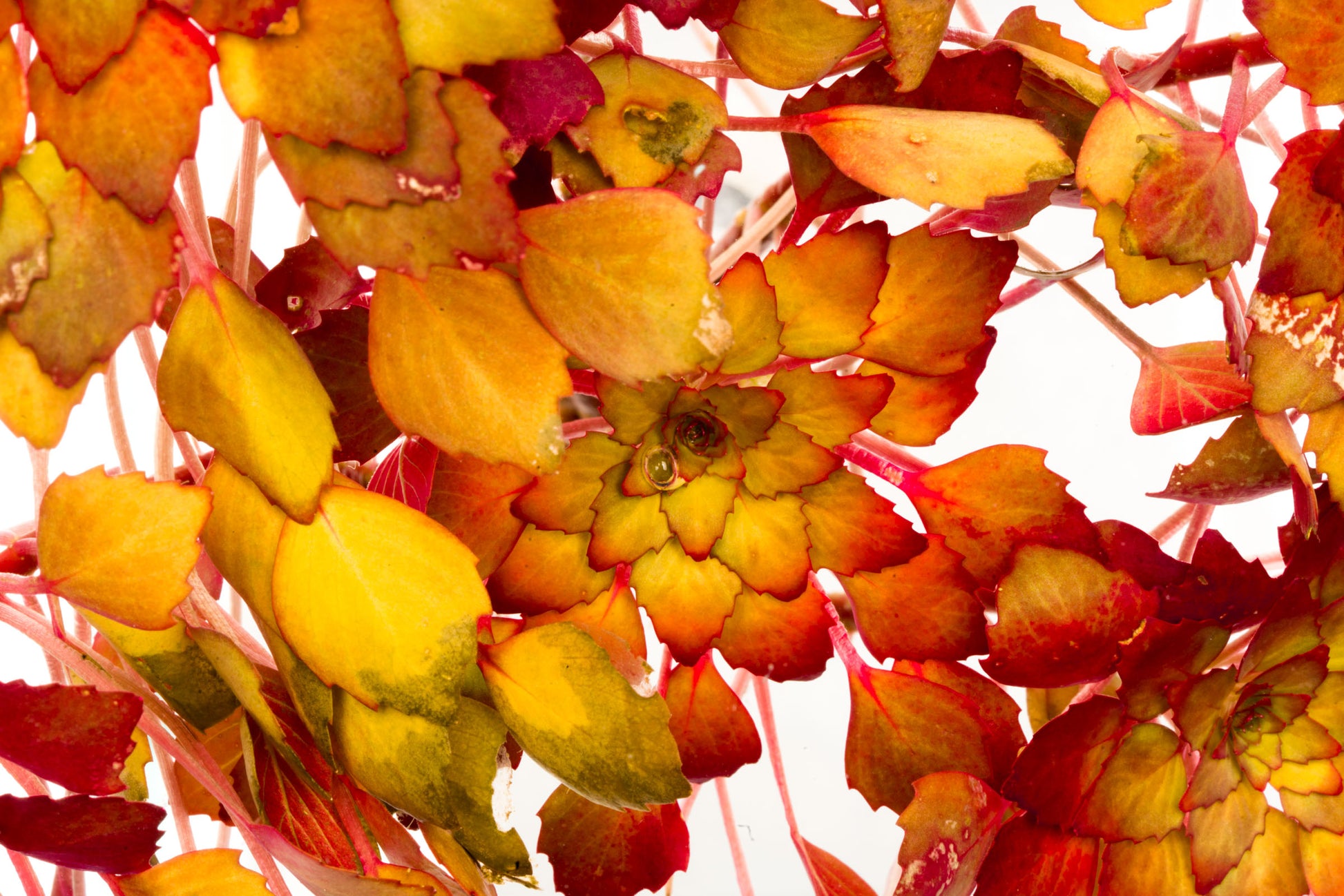
Ludwigia Sedioides, commonly known as Mosaic Plant or Floating Ludwigia is a beautiful floating aquatic plant that is found in freshwater indoor or outdoor ponds. However, if provided with the optimal conditions, it can thrive in a planted aquarium tank also. Ludwigia Sedioides features striking foliage that is highly dependent upon the environment in which it is kept. When provided with tropical temperatures, soft water parameters, and high-quality aquarium LED lighting, Mosaic Plant sports bold red leaves with a slightly serrated edge that fans out from its central radius onto the aquarium tank's surface in an intricate pattern. On the latter side, Ludwigia Sedioides can also have varying color tones that include a mix of green and red shades. 

This aquatic plant is typically found in outdoor ponds and will flower seasonally. Ludwigia Sedioides must be planted in high-quality aquarium soil to provide an additional source of nutrients. Being kept in pond-like environments commonly, Ludwiga Sedioides is partial to more stagnant waters and should be kept in an aquarium tank with a gentle flow to prevent it from being tossed around too much. When using Mosaic Plant, care should also be taken to consider additional aquatic plant choices as Ludwigia Sedioides will inevitably shade all aquatic plants within the aquarium tank from lighting. Regular pruning will also be required as Ludwigia Sedioides is known to grow at a quick pace if optimal conditions are present. 

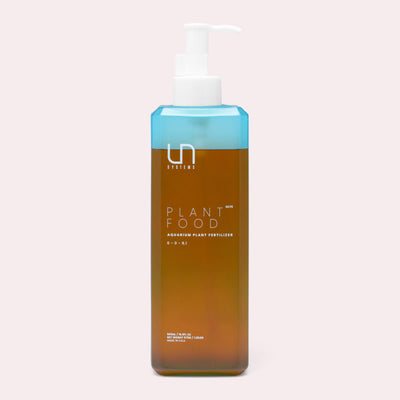
Floating and lily-like aquatic plants are beneficial to planted aquarium tanks as they help absorb excess nutrients within the water column. Ludwigia Sedioides is also known to provide a safe haven for smaller fish and shrimp species. Like all aquatic plants, Ludwigia Sedioides will do best in an aquarium tank that has clean water, good aquarium lighting, CO2 injection and a nutrient dense aquarium soil. Bolder coloration can be achieved by dosing premium planted aquarium tank fertilizers such as Tropica Liquid Fertilizer. As mentioned, this aquatic plant can grow quite large and is best suited for larger sized aquarium tanks. 

Plant Care & Information

Common Name(s) Mosaic Plant
Plant Type Floating + Stem
Care Level Intermediate
Lighting Medium to High
CO2 Recommended
Growth Rate Fast
Suggested Placement Floating Plant
Height / Size 7-25"+
Propagation Trim & Replant
About Our Live Aquatic Plants

Aquarium plants can vary in growth form and may require time to transition to your aquarium environment, whether grown submerged or emersed. This transition period is a natural part of establishing healthy, long-term growth in planted aquariums.

From carpeting plants in the foreground to stem plants and larger species used in the midground or background, each plant offers a unique contribution to a balanced and natural aquascape. As plants adapt, it is normal to see minor changes such as leaf melt, color shifts, or new growth patterns as they settle into their new conditions.

We carefully inspect and prepare all live aquatic plants prior to shipping. While we do our best to minimize hitchhikers, we cannot guarantee plants to be completely pest or snail-free unless tissue culture options are selected.

Because live plants are perishable, some signs of transit stress may occur, including leaf loss or cosmetic damage. These are typically temporary and when when healthy roots are present, most plants will recover with proper care.

Want to browse more? Shop all aquarium plants here.

About Our Floating Plants

Floating aquarium plants grow along the water’s surface, developing long roots that extend downward into the aquarium. They are commonly used to create natural shade, reduce excess nutrients, and add movement to the upper layer of the aquascape.

Because they sit at the surface, floating plants have direct access to atmospheric CO2 and generally grow quickly under the right conditions. Most varieties prefer moderate to high lighting and calmer water flow, as strong surface agitation can disrupt their growth.


How Our Floating Plants Are Grown

Our floating plants are grown in gently circulating water under higher-intensity lighting. Due to their natural growth habits, plants will vary slightly in size, density, and root length depending on season and conditions.

Floating Aquatic Plant Care & Information

Do you like aquarium floaters? We do! Having them offers plenty of benefits. Aside from looks, floating aquatic plants like Azolla, Salvinia, Frogbit, Red Root Floaters, Water Lettuce or even Duckweed can help improve the quality of your water and make your fish feel a little safer in their tanks. Caring for them comes down to tank maintenance, balancing light, flow and ensuring they have a source of nutrients for healthy growth. Here are some tips to help you grow some healthy floaters!

Azolla - Mosquito Fern Floating Plant | Glass Aqua
How much light do floating plants need?

Since they literally float in natural sunlight—most aquarium floaters grow best with high light. For most tanks kept indoors, moderate to high lighting for 8-10 hours under quality LED fixtures will do the trick. Be mindful though and monitor your plants. Lighting that is too strong or kept on for too long can cause an algae bloom that will be a different issue to tackle.

Do floaters need fertilizers?

Live aquatic plants, in general, help with water filtration. Floaters especially! You’ll notice almost all of them send down long roots that are responsible for absorbing available nutrients in the water to support their growth above the waterline. If you frequently perform water changes or have a tank with a smaller bioload, dosing with a liquid fertilizer that contains macro and micronutrients will ensure your plants don’t become nutrient-deficient. Look for signs of stunted growth or yellowing leaves.  

Maintenance and water flow

If you’re doing it right, you’ll know. Floating plants have a reputation for being very fast-growing plants. Whether you love it or hate it, regular thinning is necessary to prevent other aquarium plants from being overly shaded. Allowing overgrowth can result in dense mats that clog filters or hide decaying plant matter that can affect water quality down the line. Provide your floaters with gentle flow—anything too strong can cause damage. Luckily, there are many filter attachments or baffles that are designed to diffuse flow!

Shop all aquarium floating plants
Reviews by real customers
Shipping, Returns and Refunds

Shipping
Orders are typically processed within 1-2 business days M-F. However, additional time may be required during peak seasons and federal holidays. For orders containing live plants, we exercise extra caution and assess factors such as travel distance and weather to ensure safe transit.

To avoid delays, please ensure all order information is accurate and complete. We cannot offer refunds and are not responsible for orders shipped to incorrect addresses due to errors in provided information. Once an order has been shipped, delivery times are determined by the carrier and are outside of our control. On average, shipments arrive within 2–5 business days, excluding weekends and holidays. For more information, please visit our FAQ page.

Returns
If you are not satisfied with your purchase, please contact us within 48 hours of delivery. Approved returns must be shipped back within 14 days of approval. Returned items must be unused, unopened, and in their original packaging. Specific return requirements, if applicable, will be listed on the product’s page. For more information, please visit our FAQ page.

Refunds
No worries, we’ll take care of everything as long as it fits the guidelines above.Most answers to general questions can be found on our FAQ page.